- FREE Shipping on all orders! Limited time!
- support@tru-scapes.com

Most homeowners judge landscape lighting by how it looks the night it gets installed. That is the worst possible moment to evaluate it. Outdoor lighting fixture quality only reveals itself after a few freeze-thaw cycles, a humid summer, a hard rain that drives water sideways into a housing seam, and about 8,000 hours of runtime.
Two deck lighting systems can look identical in a showroom and behave nothing alike three winters later. One still throws clean, even light. The other has three dead fixtures, two with condensation fogging the lens, and a color shift that makes the warm white look faintly green.
The difference is almost never the bulb. It is the housing, seal, and driver quality. Tru-Scapes builds around those four things specifically, which is why fixtures like the Tru-Scapes® Wedge Light hold up in the mounting positions that destroy lesser hardware.
“Quality outdoor fixtures” is a phrase that gets thrown around without definition. Here is what it actually breaks down into.
The housing carries every load the fixture will ever face: thermal expansion, UV degradation, impact, and corrosion. Die-cast aluminum with a marine-grade powder coat and brass or composite housings behave very differently from thin stamped metal or unstabilized plastic.
Cheap plastic housings chalk and crack under UV exposure. Untreated aluminum pits, especially near coastal air or de-icing salt. The Illuminating Engineering Society (IES) and the American Lighting Association both stress environmental rating and material selection as primary durability factors in exterior applications.
A lens is not just a cover. It controls beam spread, glare, and how much light actually leaves the fixture. Acrylic yellows over time under UV. Tempered glass and quality polycarbonate hold clarity much longer.
If your fixture looks dimmer after two years but the LED is fine, the lens is usually the culprit.
This is where most failures originate. The LED chip itself may be rated for tens of thousands of hours, but the driver electronics powering it often are not. Heat is the enemy. A fixture that traps heat around its driver will fail early no matter how good the diode is.
Professional-grade deck lights use integrated thermal paths that pull heat into the housing and out. That is engineering you cannot see and cannot evaluate from a product photo.
Water intrusion kills more outdoor fixtures than electrical failure. Look for compression gaskets rather than glue beads, potted electrical connections, and wire leads with UV-stable jacketing. UL Solutions certification for wet locations is a meaningful baseline here, not marketing decoration.
| Housing Material | UV Resistance | Corrosion Resistance | Impact Tolerance | Typical Outdoor Behavior |
|---|---|---|---|---|
| Die-cast aluminum, powder coated | High | High with intact coating | High | Holds finish and shape for many years |
| Brass | High | Very high, patinas naturally | High | Ages visibly but rarely fails structurally |
| Stainless steel | High | High, grade dependent | Very high | Excellent, can show tea staining in coastal air |
| Composite and engineered polymer | High when UV stabilized | Excellent, does not corrode | Moderate to high | Strong choice for deck-mounted applications |
| Thin stamped metal | Moderate | Low | Low | Dents, rusts at cut edges, fails at seams |
| Unstabilized plastic | Low | Not applicable | Low | Chalks, yellows, becomes brittle |
Follow these steps in order. They take about ten minutes per fixture and will save you a full re-lamping project later.
If you are lighting a covered porch or pergola where fixtures stay dry, you have more latitude in material choice. If you are mounting anything on an exposed deck rail or open post, choose sealed, wet-rated hardware and do not negotiate on it.
| Pros | Cons |
|---|---|
| Consistent light output across the whole system for years | Fewer style novelty options than disposable-tier products |
| Color stays matched instead of drifting fixture to fixture | Requires more upfront planning and spec review |
| Far fewer service calls and ladder trips | Heavier fixtures may need better mounting substrate |
| Sealed housings resist condensation and lens fogging | Longer lead times on specialty finishes |
| Finish holds up instead of chalking or pitting | Not available at general big-box retail |
| Do | Don’t |
|---|---|
| Match the fixture’s environmental rating to its real exposure | Assume “outdoor” on the packaging means fully weather sealed |
| Specify one color temperature across the entire system | Mix fixtures from different production runs and hope they match |
| Use sealed, listed connectors at every splice | Wrap connections in electrical tape and bury them |
| Plan for heat dissipation around recessed fixtures | Pack insulation or debris tight against a driver housing |
| Keep a small stock of matching spares | Replace one failed fixture with whatever is in stock locally |
A homeowner in eastern Pennsylvania had a composite deck lit with bargain rail fixtures installed by a general contractor. By the second spring, four of eleven fixtures were dark, two had visible water inside the lens, and the survivors had drifted noticeably cooler in color than the originals.
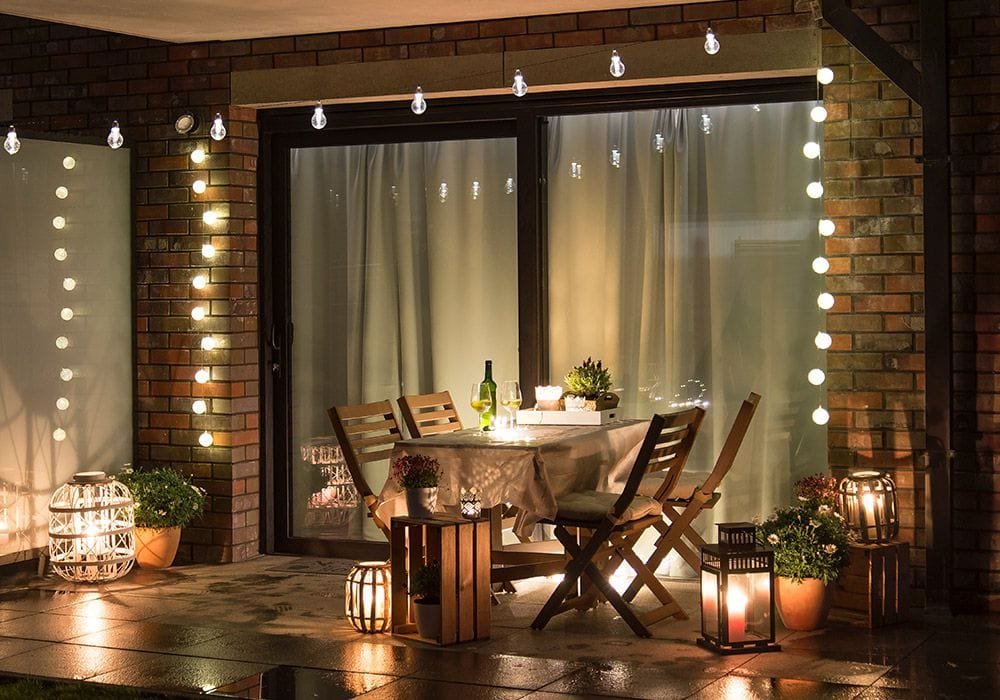
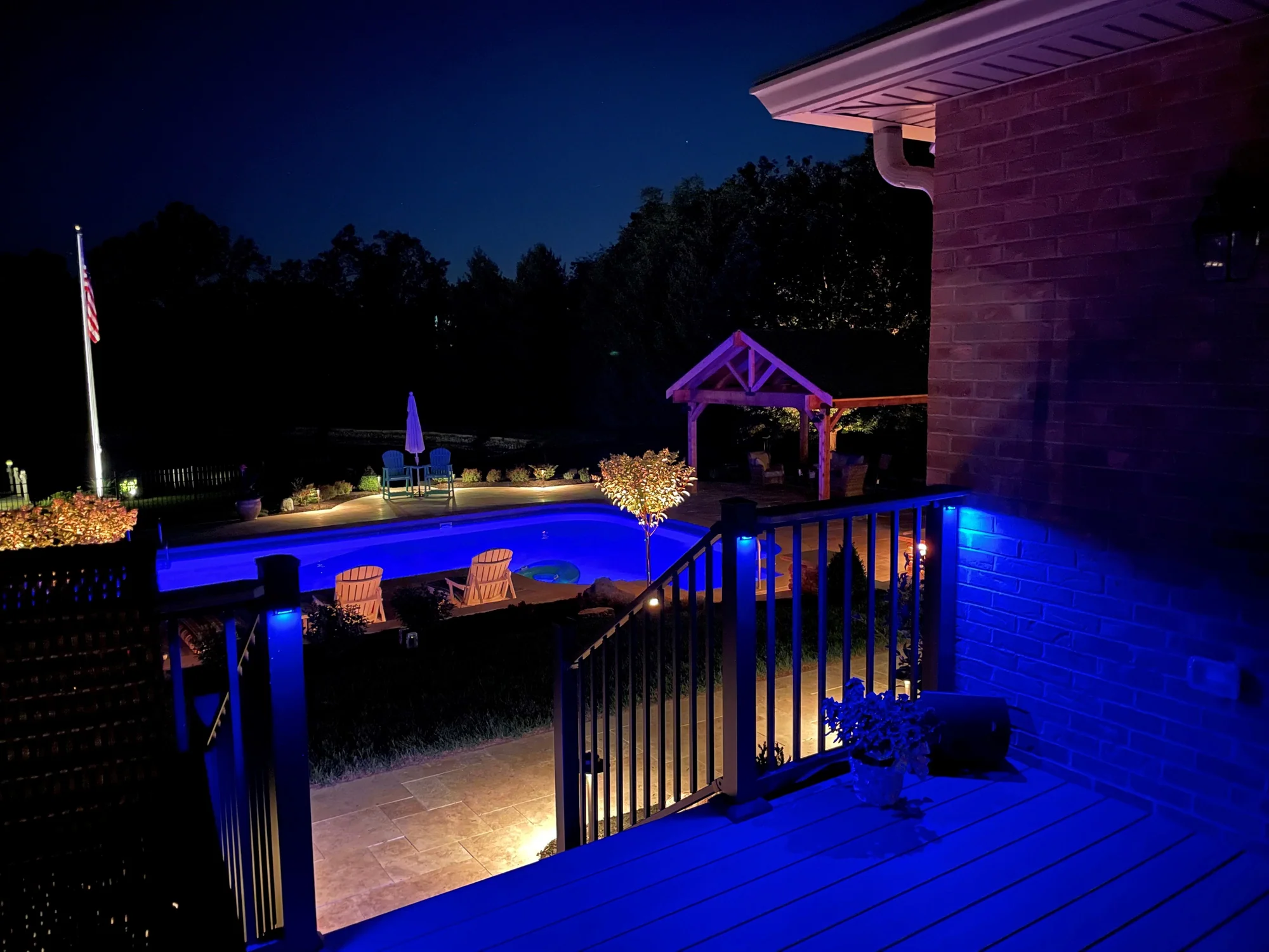
The rebuild used reliable landscape lighting hardware chosen for exposure rather than appearance. Tru-Scapes® Wedge Lights went under the rail cap for downward stair and deck-surface wash. Tru-Scapes® Modern Sconce fixtures handled the post faces where glare into seated sightlines had been a complaint. Overhead, Tru-Scapes® Hanging Bistro Lights replaced a seasonal string set that had been taken down and re-hung every fall.
Three seasons later the system was still fully lit with no color drift between fixtures. The homeowner’s summary was simple: the second install cost effort once, the first one cost effort every year.

A sealed pendant built for permanent outdoor mounting rather than seasonal hanging. The housing and lens assembly are designed to keep moisture out of the LED engine, which is where hanging fixtures usually fail first. Ideal under pergolas, covered patios, and porch ceilings where you want a fixed light source that stays put year round.

Bistro-style ambient lighting engineered as permanent outdoor hardware, not a seasonal decoration. The LED fixture build quality here is what separates it from consumer string lights that crack, corrode at the sockets, and get replaced every couple of years. Runs across open deck spans and dining areas without the annual take-down ritual.
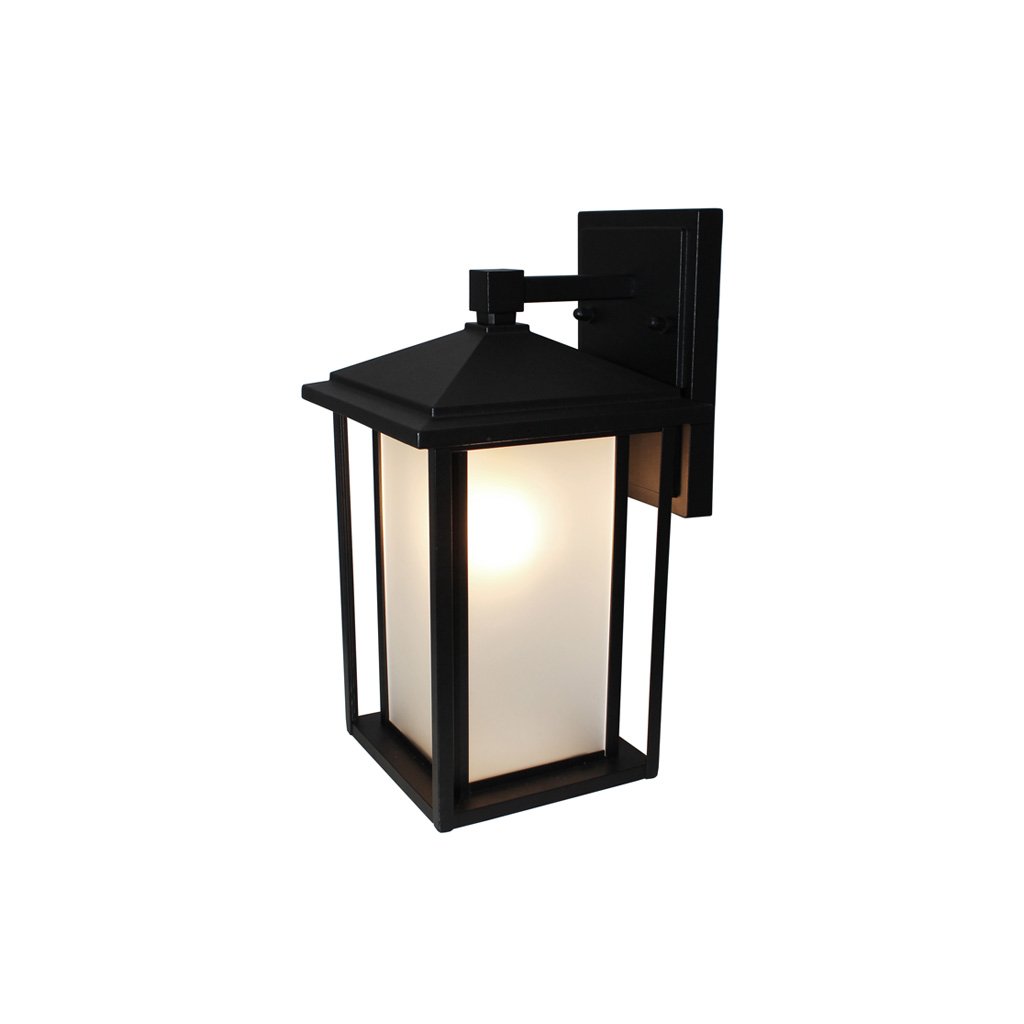
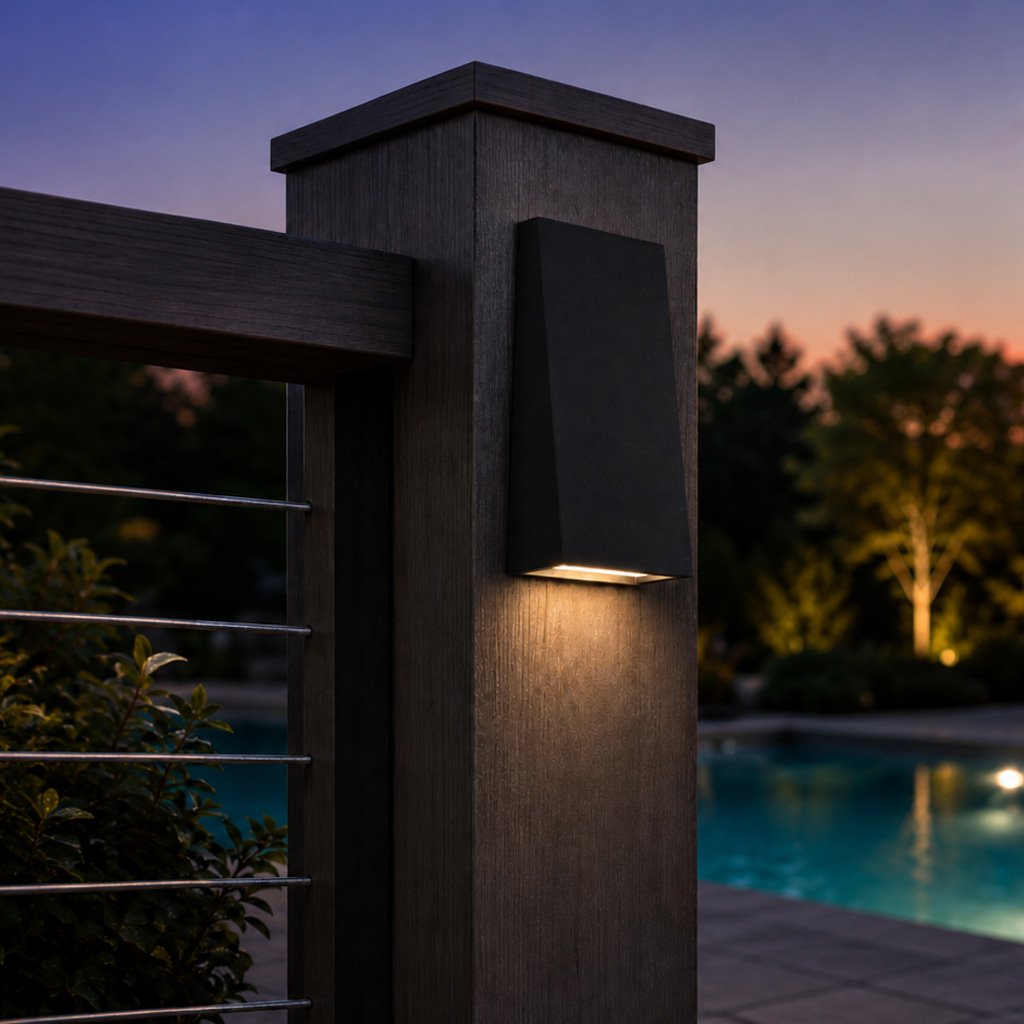
A post and wall-mounted sconce with controlled optics that put light on the surface instead of into people’s eyes. Sealed construction and a UV-stable finish mean it holds its appearance in direct sun exposure. Best on deck posts, exterior walls, and column faces where glare control matters.
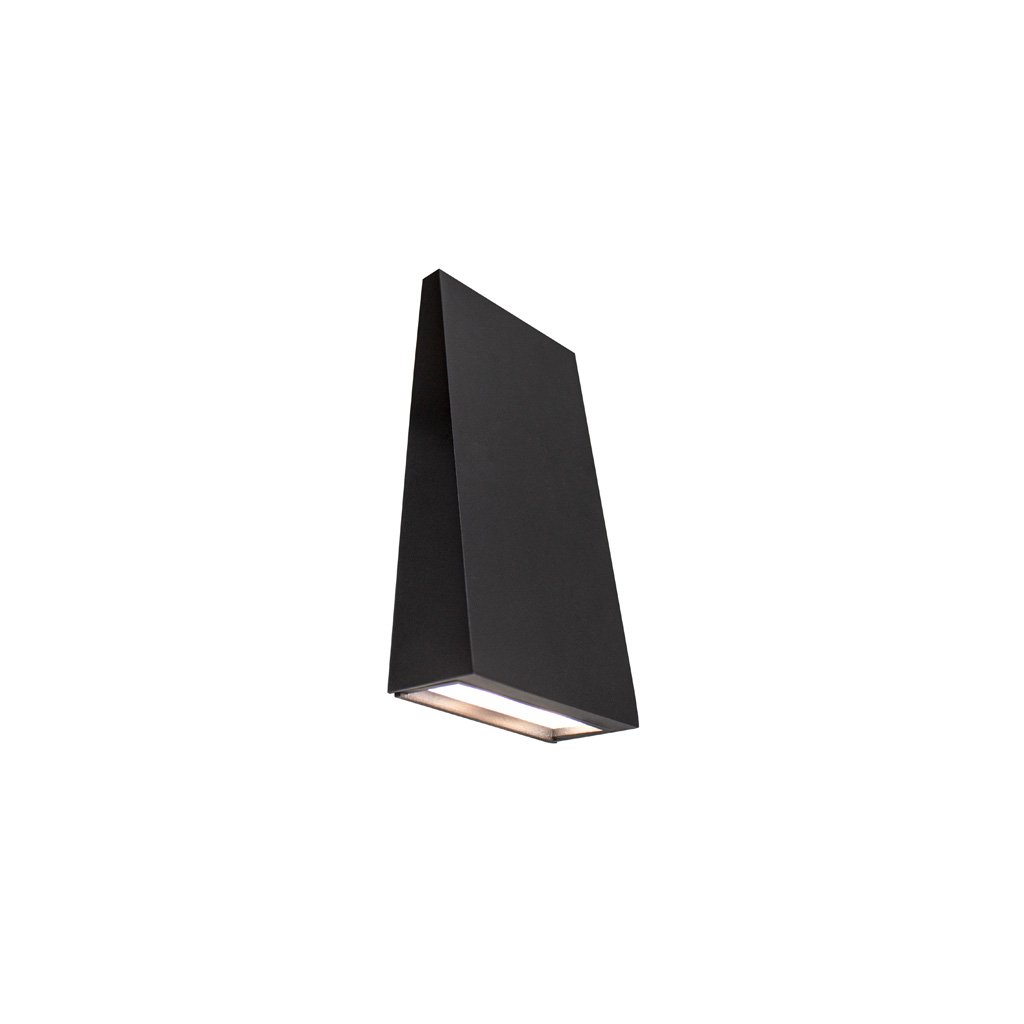
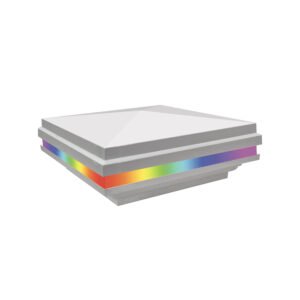
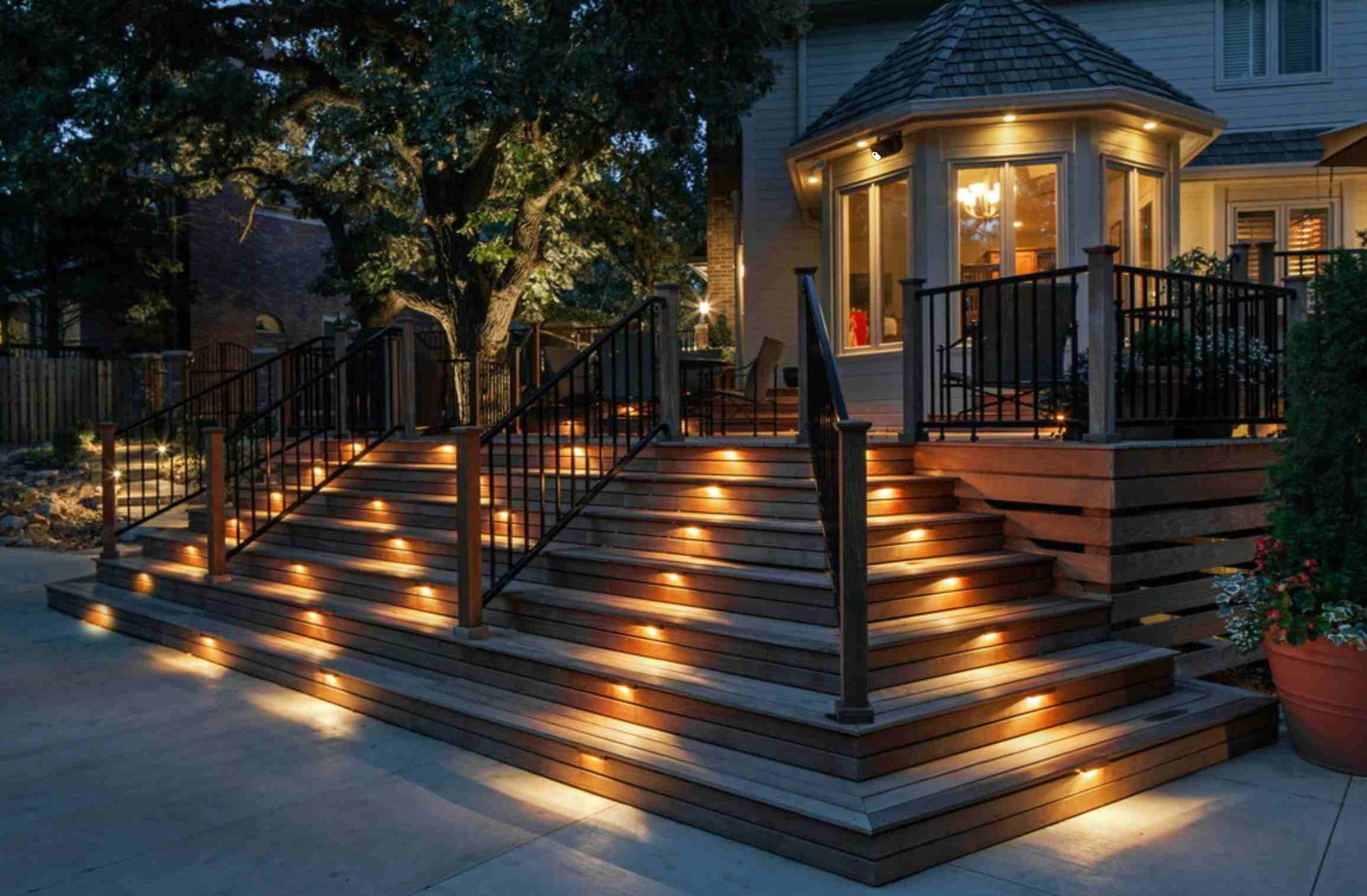
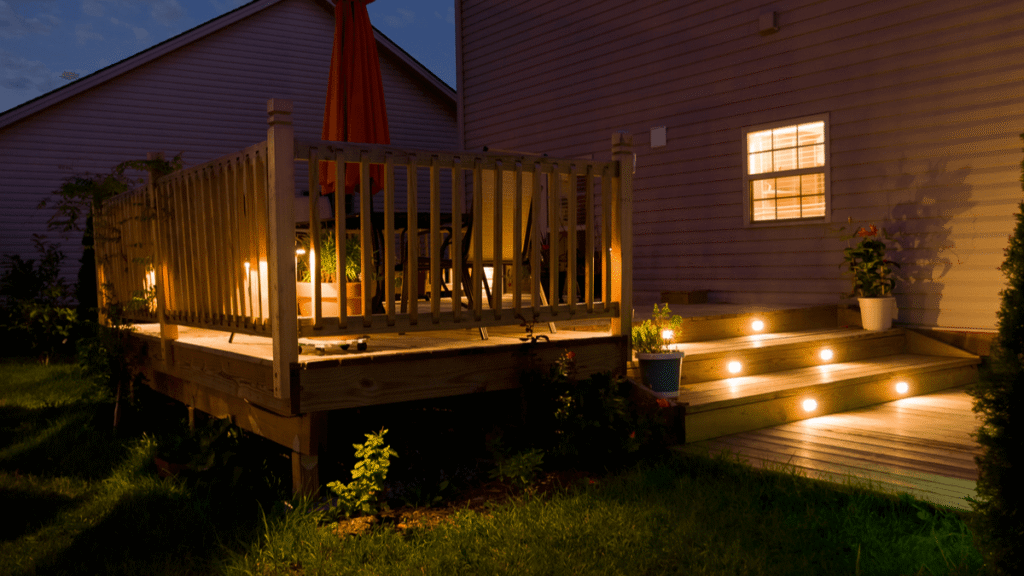
A low-profile wedge designed for under-rail and stair applications, arguably the harshest mounting position on any deck. It sheds water, resists debris packing, and directs light downward onto treads and walking surfaces. This is the fixture that carries the safety load on most installations.
A: Well-built exterior fixtures with sealed housings and properly cooled drivers routinely serve for many years of continuous seasonal use. Industry experts suggest that housing integrity and thermal management, not the LED chip itself, determine real-world lifespan.
A: No. Lumens measure raw output, not efficiency, beam control, color quality, or durability. A well-designed lower-output fixture often delivers better usable light on a deck than a brighter one with poor optics.
A: Air exchange through a compromised seal. When a fixture heats up and cools down without a proper gasket, it draws humid air in and traps moisture. This is a direct symptom of poor outdoor lighting fixture quality.
A: Yes. Deck fixtures face direct contact, foot traffic, snow shoveling, and mounting into wood or composite. Products like the Tru-Scapes® Wedge Light are built specifically for that mechanical abuse, which general landscape fixtures are not.
A: You can, but color temperature and CRI rarely match across manufacturers. Mixing usually produces a patchy look where some fixtures read warm and others read cold. Specify one system and stay with it.
A: Warmer temperatures in the 2700K to 3000K range read as comfortable and residential. Cooler light above 4000K tends to feel institutional in outdoor living spaces.
A: For low-voltage systems, many homeowners handle the fixture mounting themselves. Transformer sizing, load calculation, and any line-voltage work should go to a licensed electrician.
A: Yes. DarkSky International advocates for shielded, downward-directed fixtures that keep light on the surface it is meant to illuminate. Good optics improve your view and your neighbor’s.
Everything above points to the same conclusion: outdoor lighting either survives its environment or it does not, and that outcome is decided at the design stage, not the installation stage.
The Tru-Scapes approach to fixture design starts from exposure. Deck and landscape hardware gets specified for the actual conditions it will face, which means sealed housings, gaskets that compress rather than adhesives that let go, UV-stable finishes, and LED engines thermally coupled to the housing so heat leaves instead of accumulating around the driver.
That engineering discipline is why the Tru-Scapes® Wedge Light can live under a stair rail, the harshest position on any deck, and keep performing while nearby budget fixtures fog and fail. It is the same reason the Bistro Lights are built as permanent infrastructure instead of a seasonal item you take down every fall.
Homeowners who choose Tru-Scapes are not buying a brighter light. They are buying a system that still matches, still seals, and still works in year five without a ladder, a service call, or a mismatched replacement fixture ruining the look of an entire run.
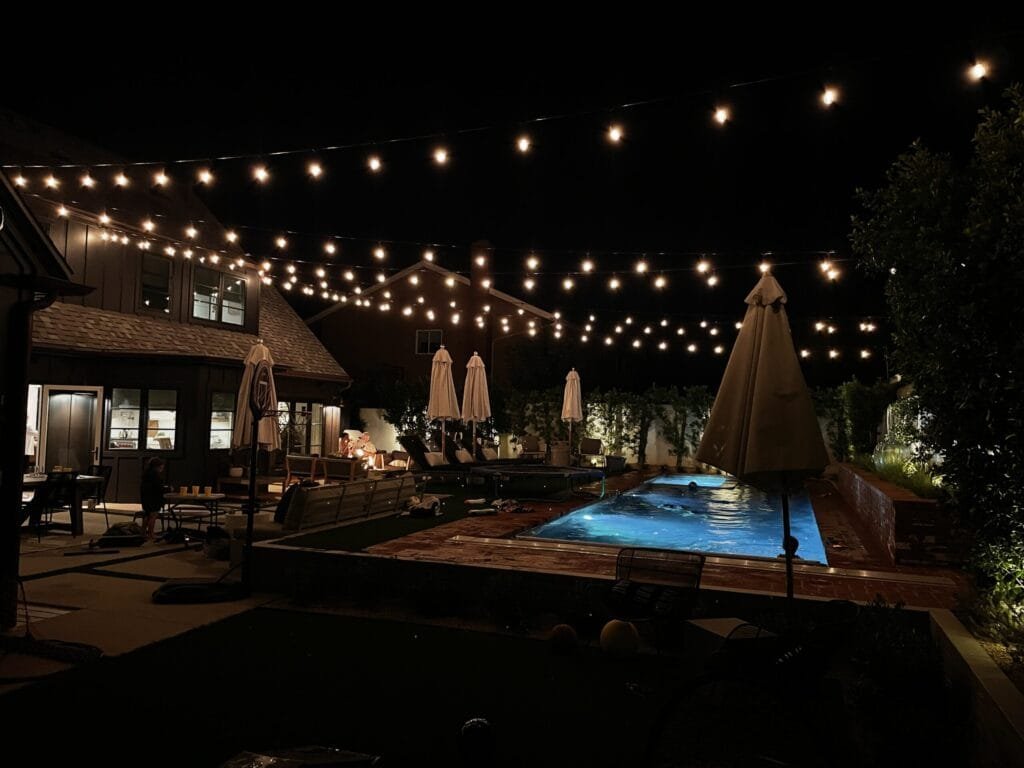
Outdoor lighting fixture quality is the least visible and most consequential decision in any exterior lighting project. Housing material determines whether the finish survives. Seals determine whether water gets in. Driver design and thermal management determine whether the light turns on in year four.
Get those right and your lighting becomes something you stop thinking about, which is exactly what good infrastructure should do. Get them wrong and you inherit an annual maintenance chore you never signed up for.
Start with the fixture that takes the most abuse. The Tru-Scapes® Wedge Light handles stair and under-rail duty, and the Tru-Scapes® Modern Sconce covers your post and wall surfaces with controlled, glare-free output. Build the system once, correctly, and enjoy it.
The gap between a yard that looks styled at night and one that looks lit by accident almost never comes
Most homeowners judge landscape lighting by how it looks the night it gets installed. That is the worst possible moment