- FREE Shipping on all orders! Limited time!
- support@tru-scapes.com


Key Takeaways
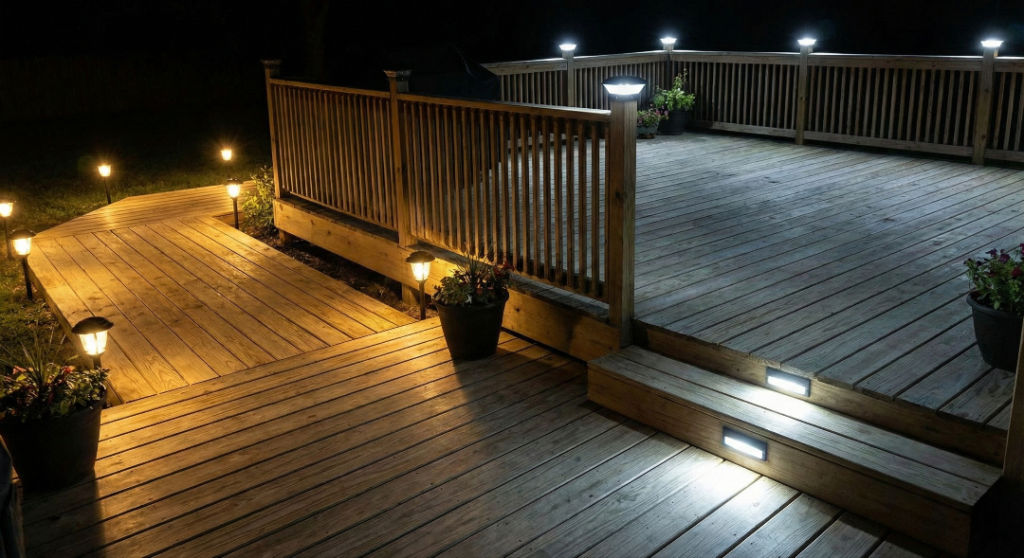
Every homeowner who has installed a string of bargain-bin landscape lights knows the frustration: within a single season, the fixtures dim, flicker, or go dark entirely. Understanding why cheap outdoor lighting fixtures fail isn’t just useful trivia — it’s the difference between a yard that glows confidently all year and one that requires constant troubleshooting. Outdoor lighting failure is almost always traceable to predictable, preventable causes: inferior materials, inadequate sealing, and electrical shortcuts that simply don’t survive real-world conditions.
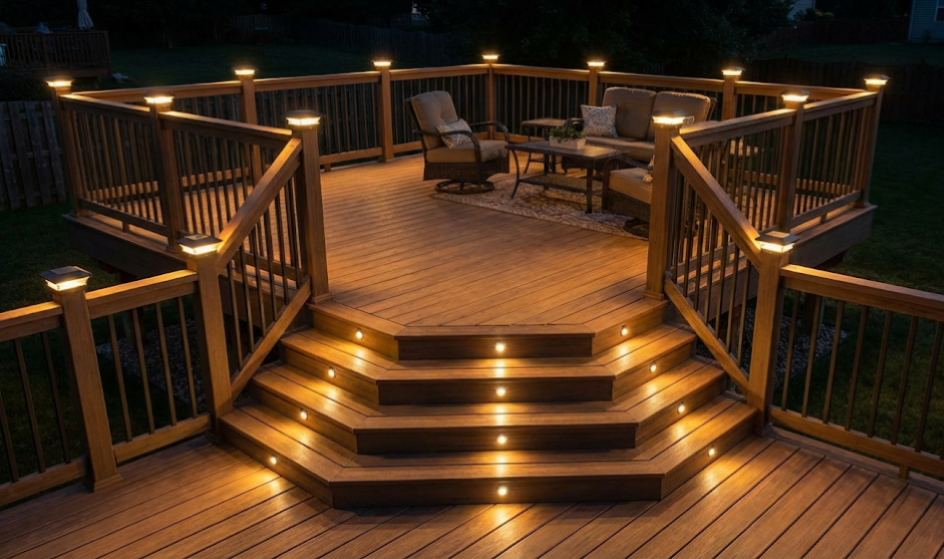
Tru-Scapes approaches landscape lighting engineering from the opposite direction — building fixtures and accessories that are designed to handle the full spectrum of American climate conditions. From the Tru-Post® 101 LED Deck & Fence Post Light to precision wire connectors, the Tru-Scapes product line is built around one goal: outdoor lighting that doesn’t fail.
This guide breaks down the root causes of low-quality fixture issues, shows you how to identify them before you buy, and explains the practical steps you can take to build a landscape lighting system that holds up.
Outdoor lighting failure rarely happens all at once. It’s a slow process of degradation, and cheap fixtures accelerate every step. The core vulnerabilities fall into a few well-documented categories.
Inadequate UV and weather resistance is the starting point. Fixtures made from thin polypropylene or low-density plastic begin breaking down under direct sunlight within the first year. UV exposure causes brittleness, cracking, and color fading — none of which are cosmetic issues. Once a housing cracks, moisture enters freely, and the electrical components inside are effectively unprotected. When choosing weather-resistant fixtures, prioritize materials rated for prolonged UV exposure and thermal stability.
Moisture infiltration is the primary killer of landscape lights. The National Electrical Manufacturers Association (NEMA) rates fixtures for moisture resistance, but budget products frequently carry inaccurate or unverified ratings. Water that enters a fixture housing migrates to the socket, the LED driver, and the wire connections — causing corrosion, shorts, and eventual failure. Refer to our selecting waterproof deck lights resource to verify true ingress protection before purchasing.
Thermal cycling damage compounds the problem. Outdoor fixtures expand and contract with temperature changes. Cheap plastic housings and low-quality seals cannot handle repeated freeze-thaw cycles without developing gaps. Over a single winter in most American climates, these gaps become entry points for ice, water, and debris.
Not all LEDs perform the same way outdoors. Low-quality fixture issues frequently stem from the LED components themselves, not just the housing.
Bargain-bin fixtures often use LEDs binned for indoor use, operating them at current levels that generate excessive heat. Without proper thermal management — a heatsink designed to pull heat away from the LED junction — the LEDs degrade rapidly. Industry data from the U.S. Department of Energy LED performance data consistently shows that LED longevity is highly dependent on junction temperature management. Cheap fixtures simply don’t invest in this engineering.
Tru-Scapes engineers their LED fixtures with thermal performance as a primary design criterion. The Tru-Post® 101 LED Deck & Fence Post Light uses a housing and LED assembly specifically matched for outdoor thermal demands — keeping the LED junction cool and the rated lifespan achievable in real-world conditions.
Understanding the specific failure modes of cheap landscape lights helps you make better decisions and avoid outdoor lighting failure on your next project.
The fixture body is your first line of defense. Cheap housings made from recycled or low-grade plastics fail under UV exposure, impact, and thermal stress. Once the housing fails, every other component is exposed.
What to look for: Die-cast aluminum, powder-coated finishes, and UV-stabilized resins are markers of a fixture built for longevity.
This is the most common — and most overlooked — point of failure in landscape lighting systems. Standard wire nuts are not designed for outdoor burial or wet environments. When exposed to soil moisture, condensation, or rain, bare wire connections oxidize rapidly. Oxidized connections increase resistance, generate heat, and eventually fail completely. Following established landscape lighting connector standards is essential for preventing premature system degradation.
Tru-Scapes® Gel-Filled Wire Nuts solve this problem directly. The gel-filled design encapsulates the wire junction in a moisture-blocking compound, preventing oxidation at the connection point where most outdoor lighting failures originate. If you need a landscape lighting system that resists connection degradation over multiple seasons, gel-filled connectors are a non-negotiable component.
Cheap landscape lighting systems are frequently paired with undersized or poorly engineered transformers. A transformer that cannot handle the connected load runs hot, voltage-drops across the circuit, and shortens the life of every fixture downstream. Many budget transformers also lack adequate protection circuits, meaning a single wiring fault can damage the entire system. Our low-voltage transformer sizing guide provides the exact calculations needed to match power supply to fixture load safely.
IP ratings quantify how well a fixture resists solid particles and liquids. A fixture rated IP44 offers splash resistance; a fixture rated IP65 or higher is dustproof and can handle direct water jets. Budget fixtures often carry inflated or misleading IP claims. For verified protection levels, manufacturers should be tested against the IEC 60529 ingress protection standards. For in-ground, deck-mounted, or exposed post applications, IP65 or better is the practical minimum.
Even if the exterior housing holds up, the internal connections of a cheap fixture may not. Crimps made from aluminum or low-grade copper alloys corrode faster than tin-plated copper alternatives. Heat cycling loosens these connections over time, creating intermittent faults that are frustrating to diagnose and expensive to repair.
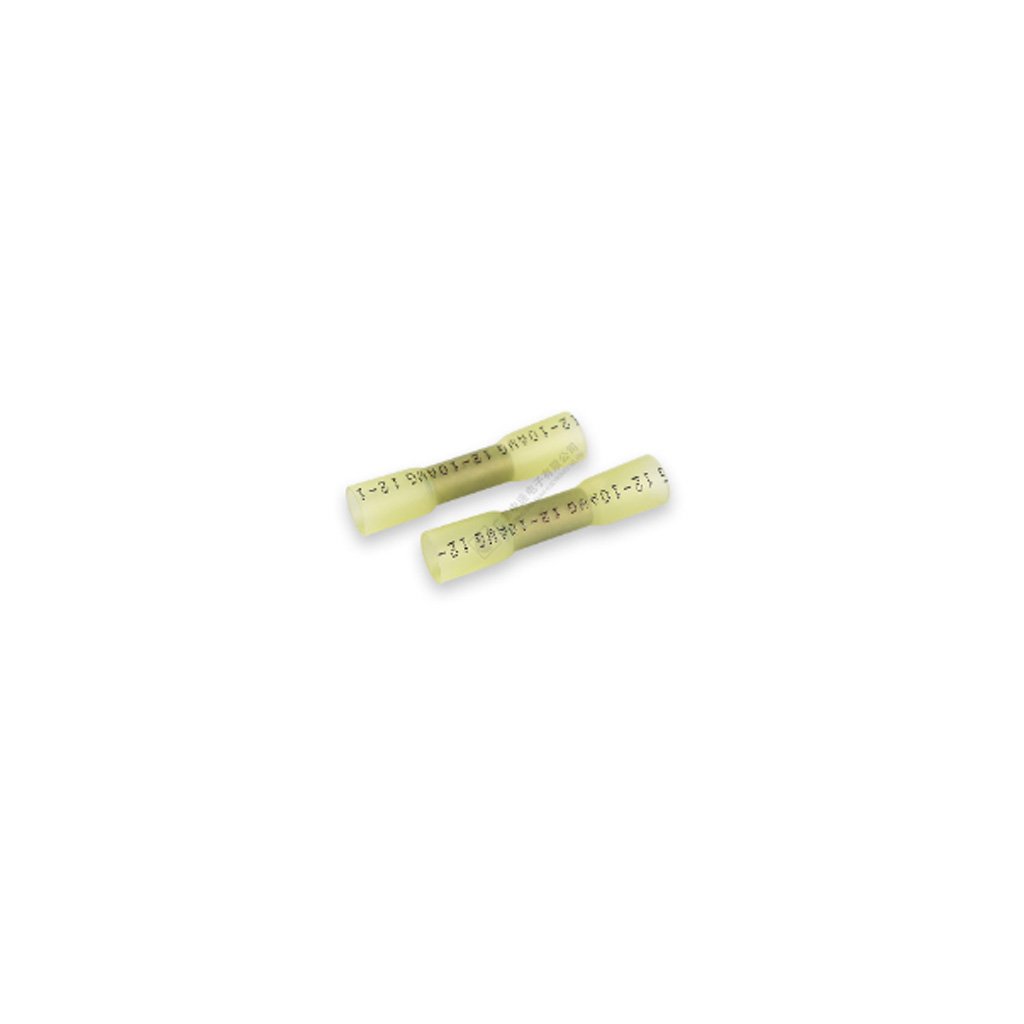
The Tin-Plated Copper Heat Shrink Wire Connectors (TS-WCRMP20) from Tru-Scapes address this directly. Tin plating over copper provides corrosion resistance without sacrificing conductivity, and the heat-shrink design creates a mechanically secure, weather-resistant connection that doesn’t loosen or corrode under field conditions. Proper burial practices and compliant wiring methods also align with the National Electrical Code Article 411 for low-voltage outdoor installations.
| Feature | Budget Fixtures | Engineered Fixtures (e.g., Tru-Scapes) |
|---|---|---|
| Housing Material | Thin plastic / polypropylene | Die-cast aluminum or UV-stabilized resin |
| LED Thermal Management | Minimal or absent | Integrated heatsink design |
| IP Rating Accuracy | Often unverified | Tested and rated |
| Wire Connection Type | Standard wire nuts | Gel-filled or heat-shrink sealed |
| Warranty | Limited or none | Manufacturer-backed |
| UV Resistance | Degrades within 1–2 seasons | UV-stabilized for multi-year performance |
| Freeze-Thaw Tolerance | Poor — housing cracks | Engineered for thermal cycling |
| ✅ Apparent Pros | ❌ Real Cons |
|---|---|
| Lower upfront investment | High replacement frequency |
| Widely available | Inconsistent light output |
| Easy to find in bulk | Poor weatherproofing leads to failures |
| Variety of styles | Materials degrade quickly outdoors |
| Fast to install | Wire connections corrode in wet soil |
Follow these steps when planning or upgrading your outdoor lighting to avoid the most common failure points.
| ✅ Do | ❌ Don’t |
|---|---|
| Use gel-filled or heat-shrink wire connectors at every outdoor junction | Use standard indoor wire nuts in landscape applications |
| Match transformer capacity to total fixture load plus headroom | Daisy-chain fixtures beyond transformer rating |
| Choose fixtures with verified IP65 or higher ratings for exposed applications | Assume IP ratings on budget fixtures are accurate |
| Select LED fixtures with integrated thermal management | Install LEDs not rated for outdoor junction temperatures |
| Inspect connections annually for corrosion | Leave wire junctions unprotected in soil or wet areas |
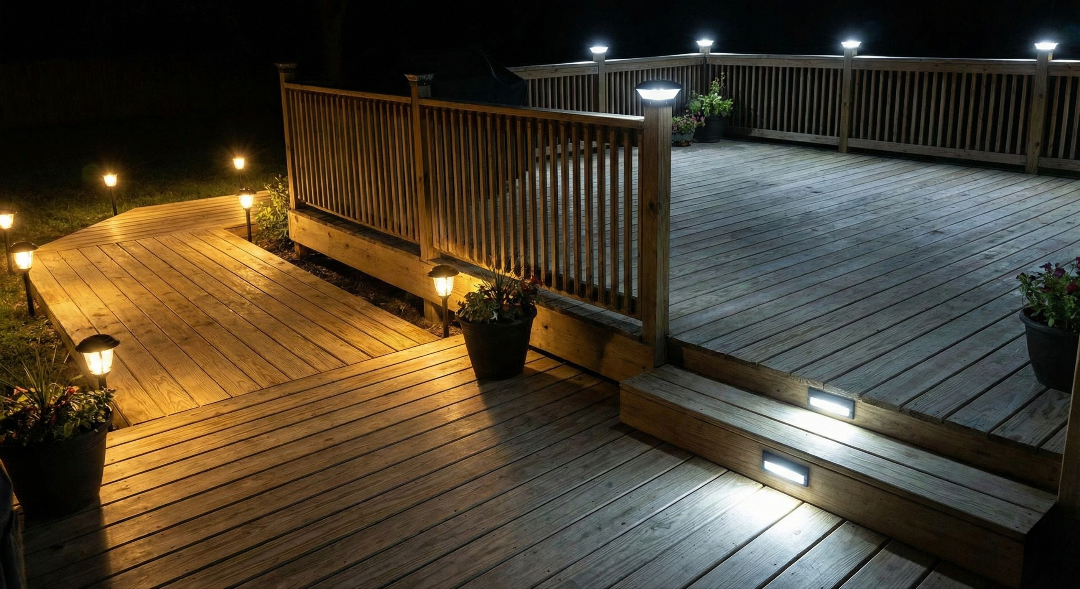
Consider a homeowner in the Midwest with an aging deck lighting system. Three years after installation, half the post lights had gone dark, and the wire connections under the deck were visibly corroded. The original system used standard plastic fixtures and unprotected wire splices — classic conditions for outdoor lighting failure.
The homeowner replaced the system using the Tru-Scapes approach: Tru-Post® 101 LED Deck & Fence Post Lights at each post, all wire connections sealed with Tru-Scapes® Gel-Filled Wire Nuts, and a Tru-Scapes® 100W Transformer sized for the full load. Two full seasons later — including two hard winters — every fixture was still performing as installed. No replacements, no corrosion-related failures, no troubleshooting.
The difference wasn’t luck. It was engineered materials, proper connections, and a transformer matched to the system load. For readers currently diagnosing similar issues, our outdoor lighting troubleshooting guide provides step-by-step diagnostics to isolate connection and component failures before they cascade.

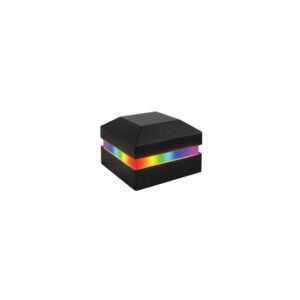
Tru-Post® 101 LED Deck & Fence Post Light
The Tru-Post® 101 is built specifically for deck and fence post exposure — conditions where UV degradation, moisture infiltration, and thermal cycling are constant threats. The fixture’s design addresses the exact failure modes that cause cheap outdoor lighting to fail prematurely, delivering consistent, reliable illumination through multiple seasons of outdoor stress.

Tru-Scapes® Gel-Filled Wire Nuts (50 pcs.)
Wire connection failure is one of the most common — and most preventable — causes of outdoor lighting system problems. These gel-filled wire nuts encapsulate the wire junction in a moisture-blocking compound, stopping corrosion at the connection point before it starts. Designed for direct burial and wet-location use.
Tin-Plated Copper Heat Shrink Wire Connectors (TS-WCRMP20)
Where mechanical strength and corrosion resistance both matter, these tin-plated copper connectors with heat-shrink sleeves create a bond that holds under thermal cycling, moisture exposure, and physical stress. Tin plating over copper provides superior long-term corrosion resistance compared to bare or aluminum-based alternatives.

An undersized or poorly engineered transformer is a leading contributor to whole-system landscape lighting failure. The Tru-Scapes® 100W Transformer is properly rated for residential landscape lighting loads, providing stable voltage to every fixture on the circuit and eliminating the overloading conditions that degrade LED performance and shorten fixture life.
The reason cheap outdoor lighting fixtures fail comes down to one consistent theme: corners cut in materials, connections, and engineering. Tru-Scapes takes the opposite approach at every step.
When Tru-Scapes engineers their fixtures, the design process starts with the harshest real-world conditions — not the best-case scenario. The Tru-Post® 101 LED Deck & Fence Post Light is built to handle the UV load of direct sun exposure, the moisture load of rain and condensation, and the mechanical stress of freeze-thaw cycling without degrading. That’s not accidental — it’s the result of selecting materials and construction methods specifically suited to the outdoor environment.
The same engineering discipline extends to every component in the Tru-Scapes system. Gel-filled wire connectors. Tin-plated copper heat-shrink terminals. A transformer rated honestly for the load it serves. These aren’t upgrades you bolt on after the fact — they’re foundational decisions that determine whether your landscape lighting system performs for one season or for many years.
Homeowners who choose Tru-Scapes aren’t just buying individual products. They’re buying a system designed from the ground up to avoid outdoor lighting failure — the kind that costs time, effort, and frustration to diagnose and replace. When the components are engineered to work together and built to last, the result is a landscape lighting installation that delivers on its original promise, season after season.
Cheap outdoor lighting fixtures fail because they use materials — thin plastics, unverified IP seals, bare wire connections — that are not engineered for outdoor exposure. UV degradation, moisture infiltration, and thermal cycling destroy these materials quickly, while quality fixtures use UV-stabilized resins, verified ingress protection, and sealed wire connections to survive the same conditions.
The most common sign is intermittent operation or complete fixture failure that isn’t explained by a burned-out LED. If you find corrosion or greenish oxidation at wire junctions, the connection is the failure point. Replacing standard wire nuts with Tru-Scapes® Gel-Filled Wire Nuts at every outdoor junction prevents this from recurring.
For most exposed outdoor applications — post lights, deck lights, path lights — a minimum of IP65 is recommended. IP65 fixtures are dustproof and can handle direct water jets, which covers rain, irrigation overspray, and pressure washing near the area. Verify the rating is tested and documented, not just printed on the packaging.
Yes, significantly. A transformer that voltage-drops under load delivers less than rated voltage to fixtures, causing LEDs to flicker, dim prematurely, or operate at elevated temperatures. The Tru-Scapes® 100W Transformer is properly rated and designed to deliver stable voltage across the full connected load, protecting LED performance and longevity.
Standard wire nuts leave the wire junction exposed to moisture once installed in soil or wet environments. Gel-filled wire nuts encapsulate the junction in a waterproof compound, blocking moisture from reaching the copper conductors. For any landscape wiring application, gel-filled connectors are the appropriate choice.
Annual inspection — ideally at the start of the season — is a practical minimum. Check wire junctions for corrosion or looseness, verify transformer output voltage, and look for housing cracks or UV damage on fixtures. Catching these issues early prevents the cascading failures that result from ignored maintenance.
For outdoor and landscape applications, heat-shrink connectors provide both mechanical security and weather resistance in a single step. The Tin-Plated Copper Heat Shrink Wire Connectors (TS-WCRMP20) from Tru-Scapes add tin plating over copper for corrosion resistance, making them a significant performance upgrade over standard unprotected crimps in outdoor environments.
LED lumen depreciation is accelerated by poor thermal management. When heat isn’t efficiently pulled away from the LED junction, the semiconductor degrades faster than its rated lifespan suggests. Budget fixtures lack adequate heatsinks, so dimming within one to two seasons is common — a direct result of the LED operating at temperatures beyond its design range.
Outdoor lighting failure is predictable, and so is the path to avoiding it. Cheap outdoor lighting fixtures fail because of material shortcuts, unprotected wire connections, inadequate thermal management, and transformers that can’t reliably support the loads placed on them. None of these are mysteries — they’re engineering decisions made at the point of manufacture.
The durable lighting alternatives that genuinely perform outdoors share common characteristics: verified IP ratings, proper LED thermal design, sealed wire connections, and appropriately sized power supplies. Tru-Scapes builds every product in their landscape lighting line around these fundamentals.
If you’re ready to stop replacing failed fixtures and start building a landscape lighting system that lasts, begin with the Tru-Post® 101 LED Deck & Fence Post Light and pair it with the full Tru-Scapes connection and power system. The outcome is a landscape that looks exactly the way you intended it to — not just on installation day, but for years to come.
Key Takeaways A deck that goes dark at sunset is only half a deck. Once the light fades, stairs become
KEY TAKEAWAYS A deck can pass every structural check and still fail inspection because of a light. Many Pennsylvania homeowners