- FREE Shipping on all orders! Limited time!
- support@tru-scapes.com

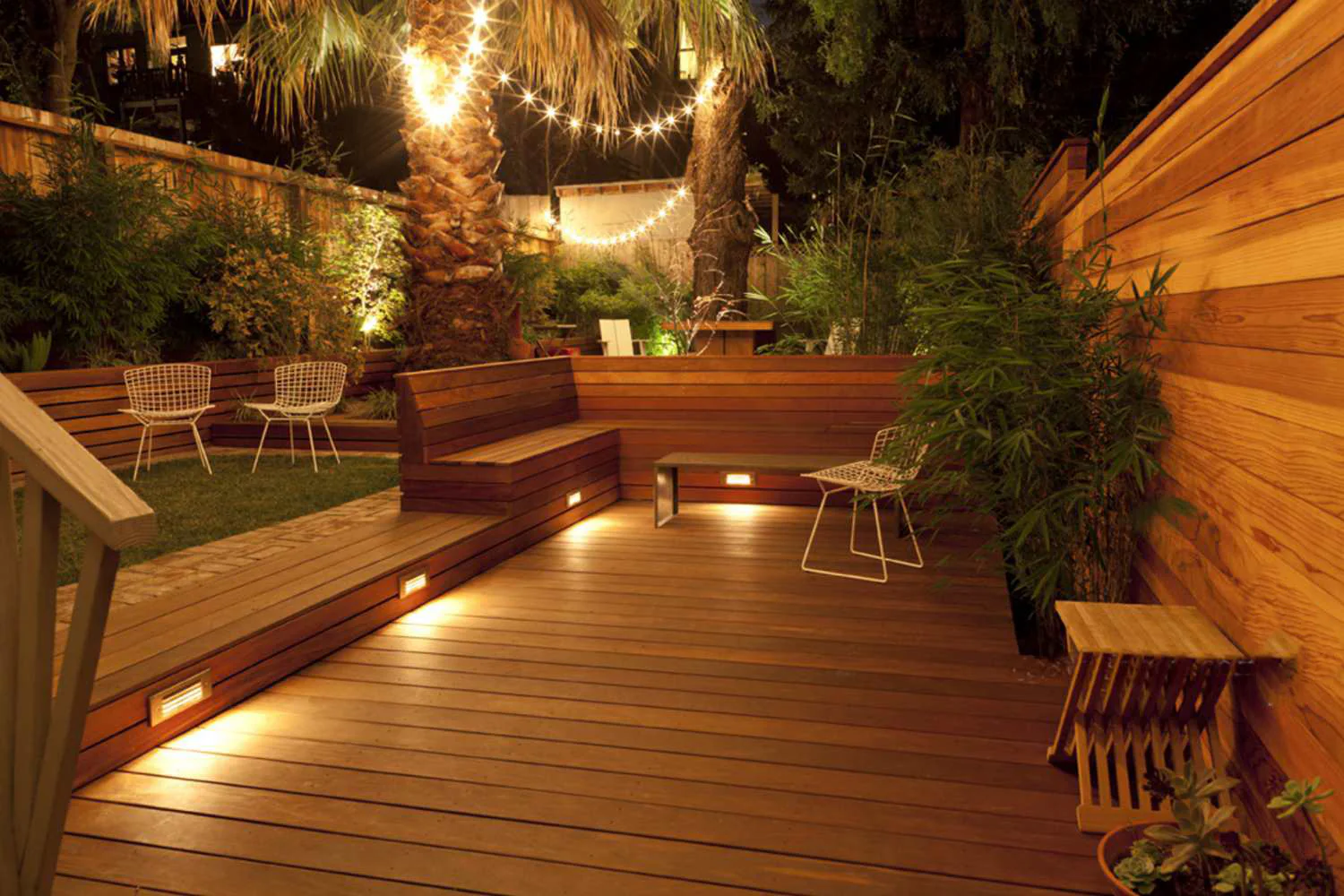
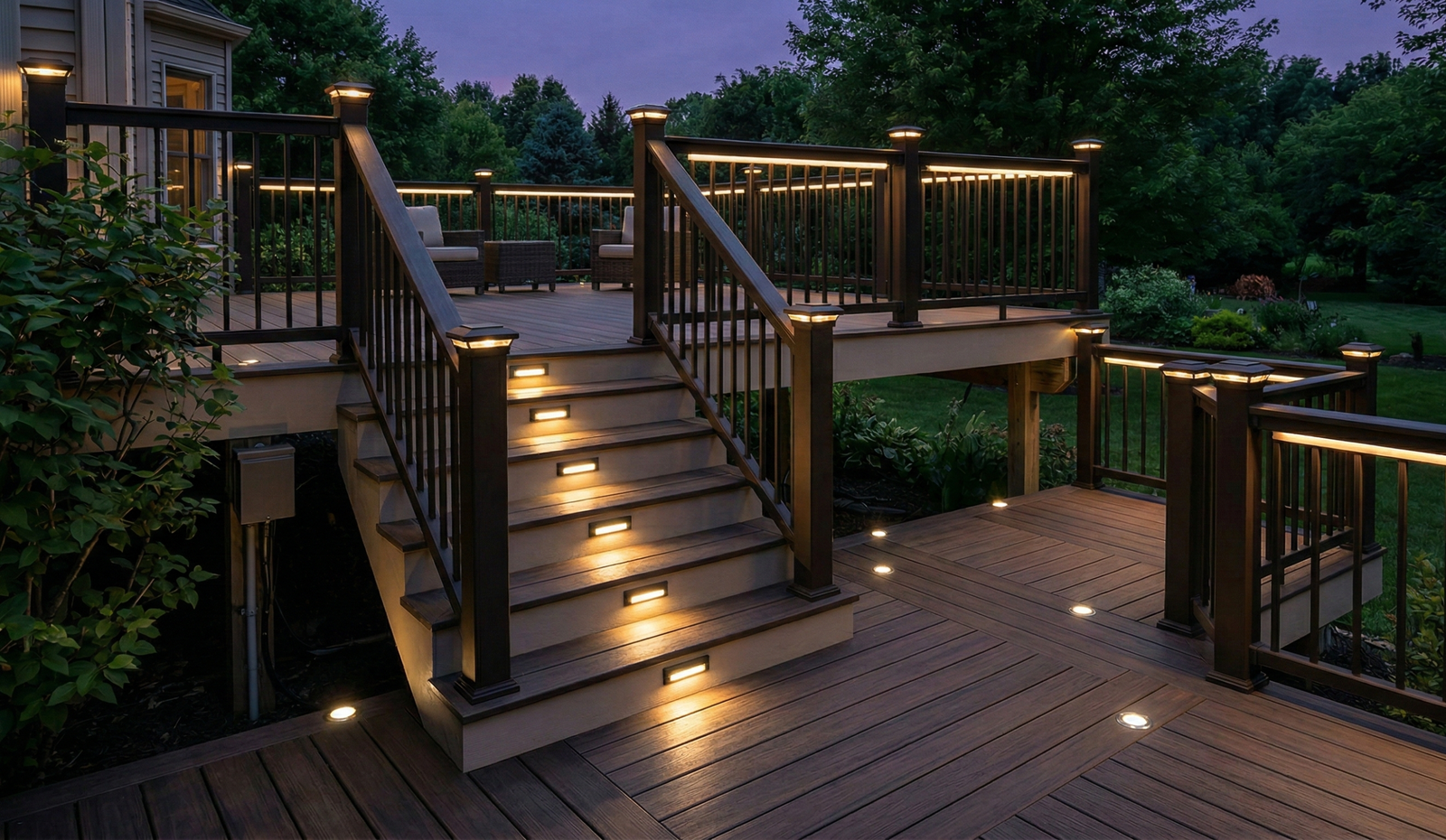
Most homeowners spend considerable time and money designing the surface of their deck — the planks, the railing, the furniture — and then underestimate how much lighting shapes the entire experience. The right under deck lighting ideas can extend your outdoor living hours, improve safety, and add a visual dimension that daylight simply can’t provide.
This guide walks you through the most effective lighting types, placement strategies, installation tips, and design principles to help you create an outdoor space that genuinely feels magical after dark. Whether you have a simple ground-level deck or a multi-tiered structure with a covered area underneath, there are smart, affordable solutions that fit.

- Under deck lighting ideas range from recessed fixtures to string lights and post caps.
- Waterproof deck lights rated IP65 or higher are essential for long-term outdoor durability; learn more about choosing weatherproof deck lights to ensure longevity.
- Ensuring safety with stair lights dramatically improves nighttime visibility on raised or multi-level decks.
- Low-voltage LED systems reduce energy costs while delivering warm, inviting illumination.
- Layering ambient, task, and accent lighting creates a polished, magazine-worthy result.
- A deck lighting kit simplifies installation and ensures components are matched and compatible.
Before selecting fixtures, it helps to think about lighting the same way interior designers do: in layers. Each layer serves a different function, and the best outdoor spaces use all three. By mastering the three layers of deck lighting, you can achieve a professional look.
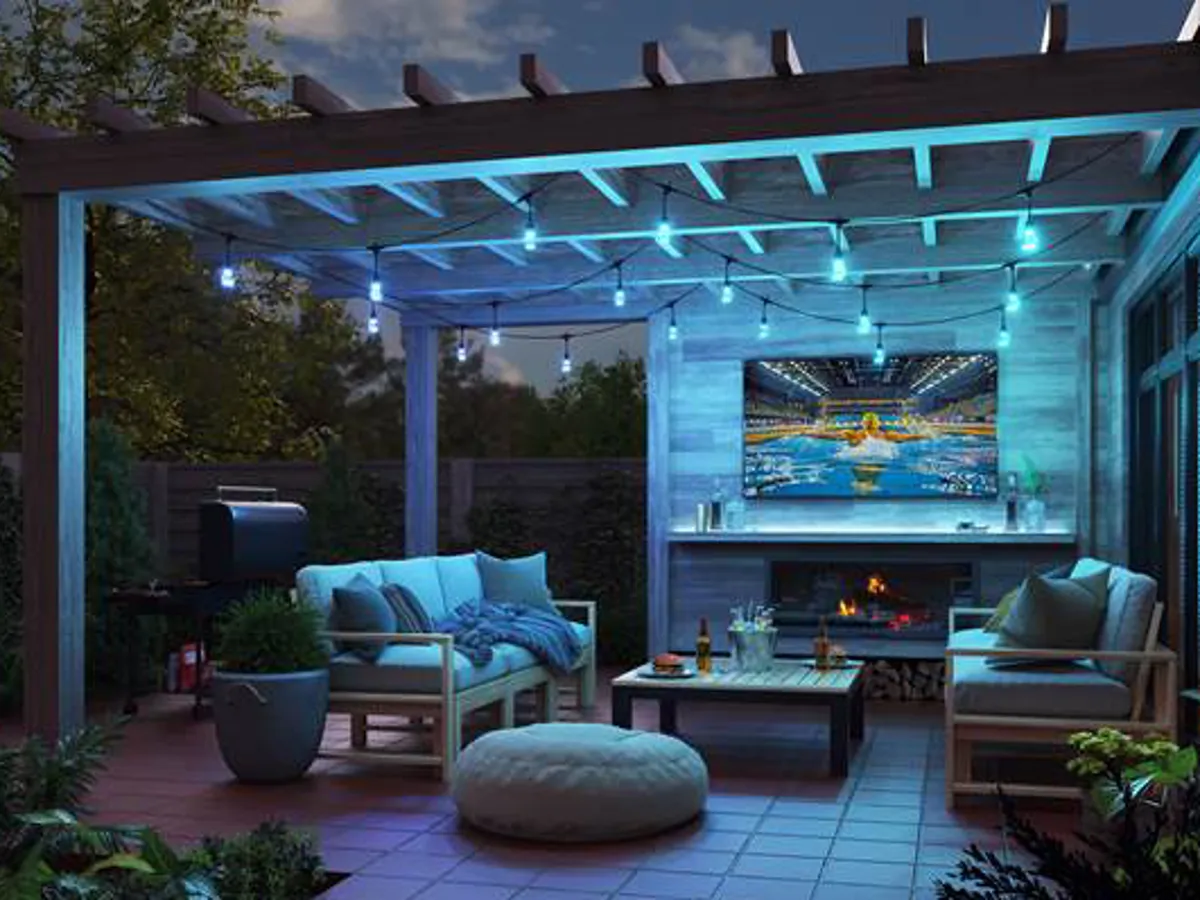
Ambient lighting provides the overall glow that defines the mood. This is the base layer — think recessed deck lighting in the ceiling of a covered under-deck area, or overhead string lights.
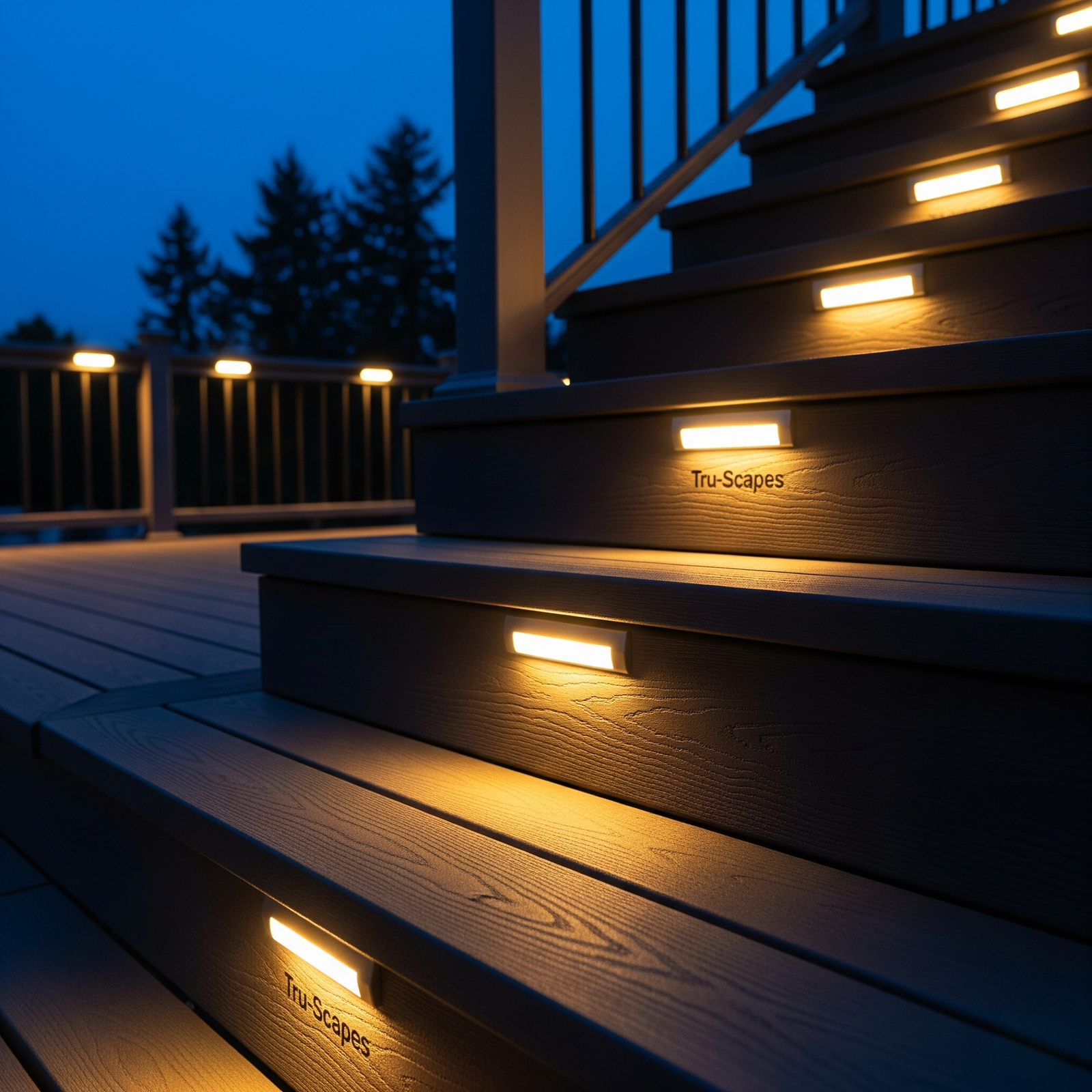
Task lighting illuminates specific functional zones like stairs, cooking areas, or seating arrangements. Deck step lighting and under-rail LED strips fall into this category.
Accent lighting draws attention to architectural features, planters, or landscaping. Deck post cap lights and low-voltage spotlights are commonly used here.
When all three layers work together, the result is a space that feels intentional and sophisticated rather than just “lit up.”
Exploring sleek recessed deck lighting designs reveals why these fixtures are a top choice. Recessed fixtures are mounted flush into the ceiling of an enclosed under-deck area or into the deck boards themselves. They deliver clean, modern aesthetics and are nearly invisible during the day. Because they sit within the structure, they’re also less exposed to direct weather.
If you have an enclosed under-deck system with a ceiling panel and drainage channel, recessed lighting is almost always the most polished choice. Fixtures designed specifically for this application are typically rated for wet or damp locations.
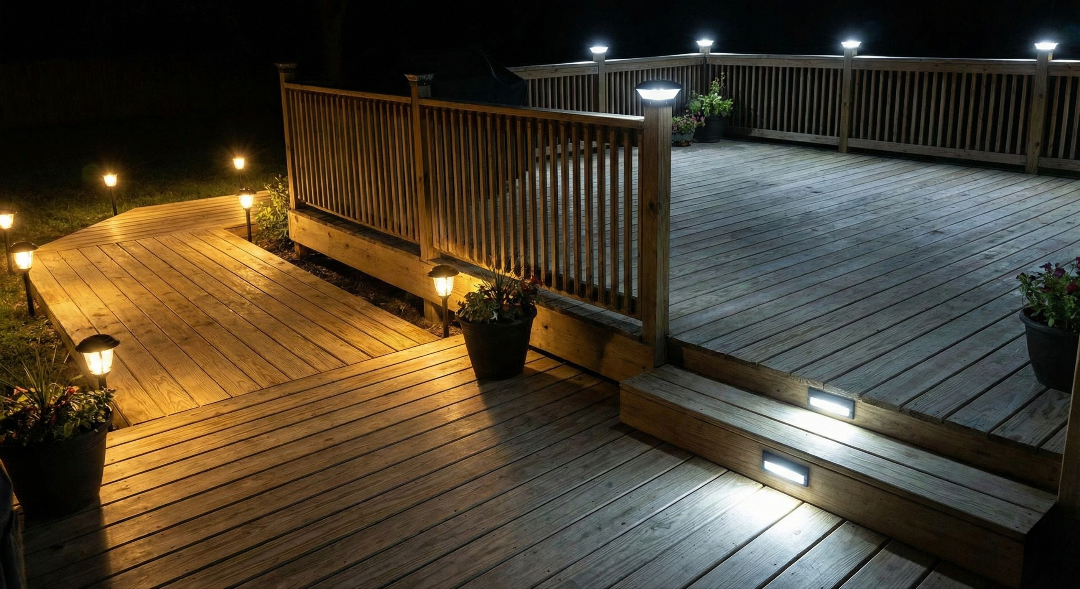
Rail lighting comes in several forms: top-rail post cap lights, side-mounted LED strips, and integrated rail systems where light is built directly into the railing profile. Deck railing lights serve both safety and aesthetic purposes by outlining the perimeter of the deck and guiding movement at night.
If your railing is the visual centerpiece of your deck, integrated rail lighting or illuminated post caps can turn it into a striking nighttime feature.
Stair lighting is one of the highest-priority safety upgrades any deck owner can make. Why stair lighting is critical for deck safety cannot be overstated; it is typically mounted into the riser (the vertical face of each step), casting a downward wash of light that makes each tread clearly visible.
Many step lights run on the same low-voltage transformer as other deck fixtures, making them easy to integrate into a cohesive system.
Post cap lights sit atop the vertical posts of the railing system. They provide a warm, lantern-like glow that softens the overall atmosphere. Solar-powered versions require no wiring at all, making them one of the easiest lighting upgrades available.
Any fixture installed outdoors must carry an appropriate IP (Ingress Protection) rating. Waterproof deck lights rated IP65 resist water jets from any direction, while IP67 and IP68 ratings indicate submersion tolerance. For most residential decks, IP65 is the standard minimum.
Pre-packaged deck lighting kits are an excellent starting point for homeowners who want a coordinated look without sourcing individual components. A quality kit typically includes a low-voltage transformer, a set of step lights, post cap lights, and the necessary cable and connectors. Matching finishes and consistent color temperature (usually 2700K–3000K warm white) give the deck a unified look.
| Fixture Type | Best For | Power Source | Typical IP Rating | Avg. Difficulty |
|---|---|---|---|---|
| Recessed deck lighting | Covered under-deck ceilings | Low-voltage or line | IP65+ | Moderate |
| Deck railing lights (strip) | Perimeter definition | Low-voltage | IP65 | Easy–Moderate |
| Deck step lighting | Stair safety | Low-voltage | IP65 | Easy |
| Post cap lights | Ambient glow, aesthetics | Solar or low-voltage | IP44–IP65 | Very Easy |
| Deck lighting kits | Full system, matched look | Low-voltage | IP65 | Easy |
| String/festoon lights | Overhead ambiance | Line-voltage | IP44 | Very Easy |
Pros:
Cons:
Pros:
Cons:
Do:
Don’t:
Consider a hypothetical homeowner in the Pacific Northwest with a two-story home and a covered lower patio beneath an upper deck. The space was dark and felt disconnected from the rest of the yard.
The solution used three layers of under deck lighting ideas: recessed LED downlights in the waterproof ceiling panels provided ambient light across the seating area, deck step lighting on the staircase connecting the two levels improved safety, and deck post cap lights on the lower railing added warmth and definition at the perimeter. A single low-voltage transformer with a dusk-to-dawn sensor managed the entire system.
The result: the previously unused lower space became the family’s primary outdoor living area within one season. Industry professionals who work with outdoor living projects consistently report that lighting, more than almost any other upgrade, determines how often a space is actually used.
What is the best type of under deck lighting for a covered patio? Recessed deck lighting installed in the ceiling panels of an enclosed under-deck system is generally the best choice. It provides even ambient light, stays protected from direct weather exposure, and delivers a clean, finished look.
How many lumens do I need for deck lighting? For general ambient deck lighting, aim for 1,300–1,400 lumens per 100 square feet, following illumination recommendations from the Illuminating Engineering Society. Step and path lights can be lower — around 50–100 lumens per fixture is usually sufficient for safe navigation.
Are solar deck lights reliable? Solar deck lights work well in sunny climates for low-demand applications like post caps and pathway markers. In shaded yards or cloudy regions, solar performance drops significantly, and hardwired low-voltage systems are more dependable. Learn more by comparing solar vs. electric deck lights.
What IP rating do I need for outdoor deck lights? At minimum, use IP65-rated fixtures for any area exposed to rain. IP44 may be acceptable for deeply sheltered locations, but IP65 is the practical standard for most residential outdoor applications.
Can I install deck lighting myself? Low-voltage deck lighting systems are generally DIY-friendly. Check out our installation tips for beginners to get started. Line-voltage (120V) work — running new circuits, installing outdoor outlets — typically requires a licensed electrician and may require a permit.
What color temperature works best for outdoor deck lighting? Warm white, in the 2700K–3000K range, is the most popular choice for outdoor living areas. It creates an inviting, relaxed atmosphere. If you want to dive deeper into understanding color temperature, know that cooler temperatures (4000K+) feel clinical and are better suited to commercial settings.
How do I prevent voltage drop in a low-voltage deck lighting system? Use appropriately sized wire (12-gauge for longer runs), keep individual runs under 100 feet, or split the load across multiple transformer zones. Voltage drop causes fixtures to appear dimmer toward the end of a run.
What’s the difference between damp-rated and wet-rated fixtures? Damp-rated fixtures are designed for sheltered but humid environments — like a covered porch ceiling. Wet-rated fixtures can withstand direct water exposure, including rain, and are required for any unprotected outdoor location.
Do deck lighting kits include everything I need? Most quality deck lighting kits include fixtures, cable, connectors, and a transformer. However, you may need additional cable for larger decks or extra fixtures if the kit doesn’t cover your full layout.
How do I choose between solar and hardwired deck lights? If you need consistent, reliable performance regardless of weather or sun exposure, hardwired low-voltage systems are the better choice. Solar is convenient for supplemental or decorative fixtures in sun-rich locations.
Low-Voltage Lighting: An electrical system operating at 12 volts rather than the standard 120V household current. Commonly used for landscape and deck lighting because it’s safer to install and energy-efficient when paired with LED fixtures.
IP Rating (Ingress Protection): A standardized classification system defined by the IEC that indicates how well an electrical enclosure resists solid particles and liquids. For outdoor deck lights, IP65 or higher is the recommended baseline.
Color Temperature: Measured in Kelvin (K), color temperature describes the warmth or coolness of light. Lower numbers (2700K–3000K) produce warm, amber-toned light ideal for outdoor living spaces.
Voltage Drop: The reduction in electrical voltage that occurs over long cable runs in a low-voltage system. It causes fixtures at the far end of a run to appear noticeably dimmer than those near the transformer.
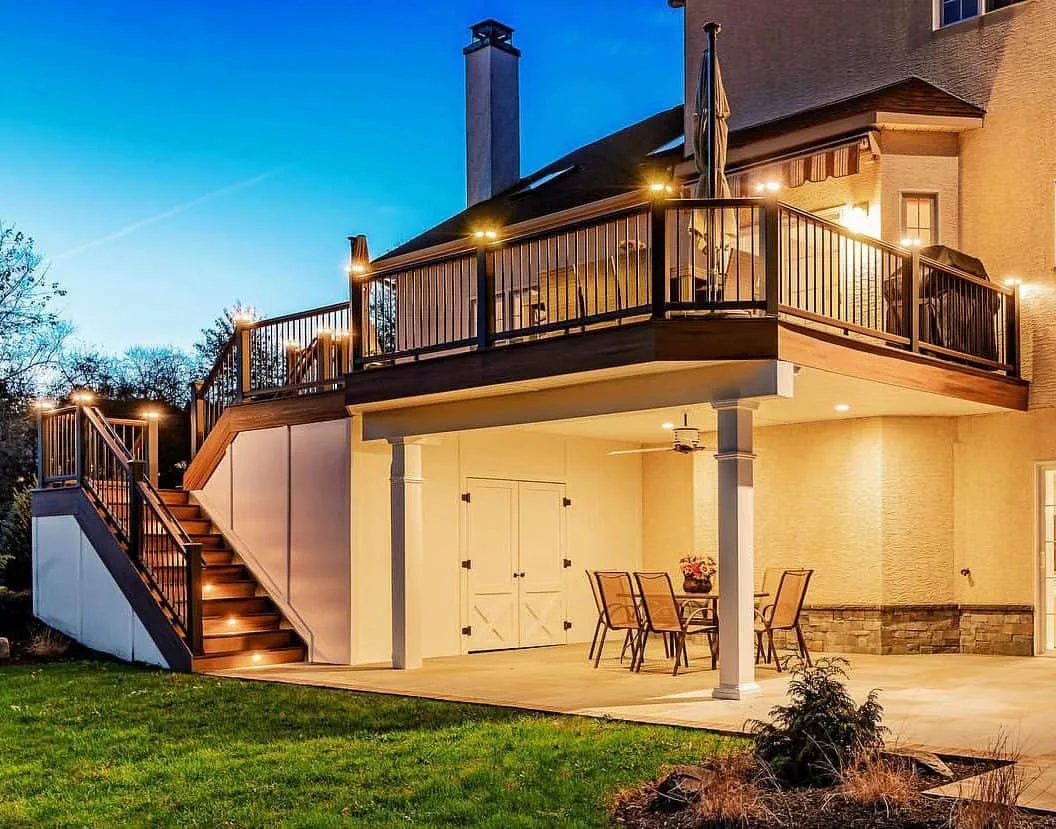
Thoughtful under deck lighting ideas are one of the highest-return investments you can make in your outdoor living space. By combining recessed deck lighting for ambient coverage, deck step lighting for safety, and decorative elements like post cap lights and railing systems, you build an environment that’s usable, attractive, and distinctly your own.
The key principles are simple: layer your light sources, choose fixtures with appropriate waterproof ratings, stay consistent with color temperature, and automate with timers or smart controls. Whether you start with a simple deck lighting kit or design a full custom system, every improvement moves you closer to an outdoor space you’ll actually want to spend time in after the sun goes down.
Ready to get started? Walk your deck after dark tonight, identify where light is missing, and use this guide to build your plan. The difference a well-lit deck makes — in mood, safety, and how much time you actually spend outside — is something you’ll notice from the very first evening.
Upgrading your outdoor space doesn’t have to mean hiring an electrician or tearing up your deck boards to run conduit.
The short answer is: it depends. Deck lighting has come a long way. Today you can buy plug-and-play solar deck