- FREE Shipping on all orders! Limited time!
- support@tru-scapes.com

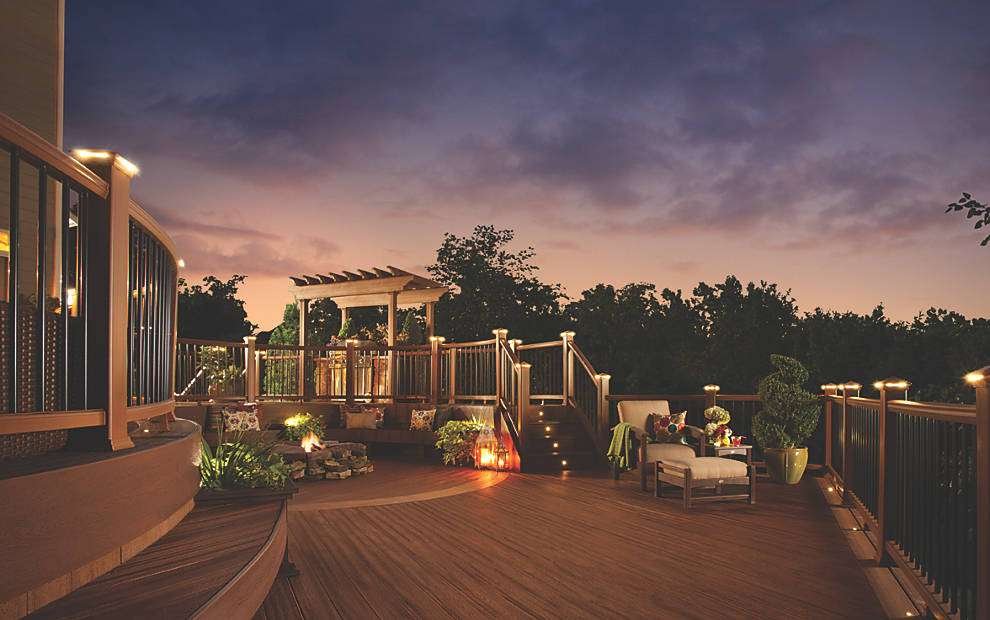
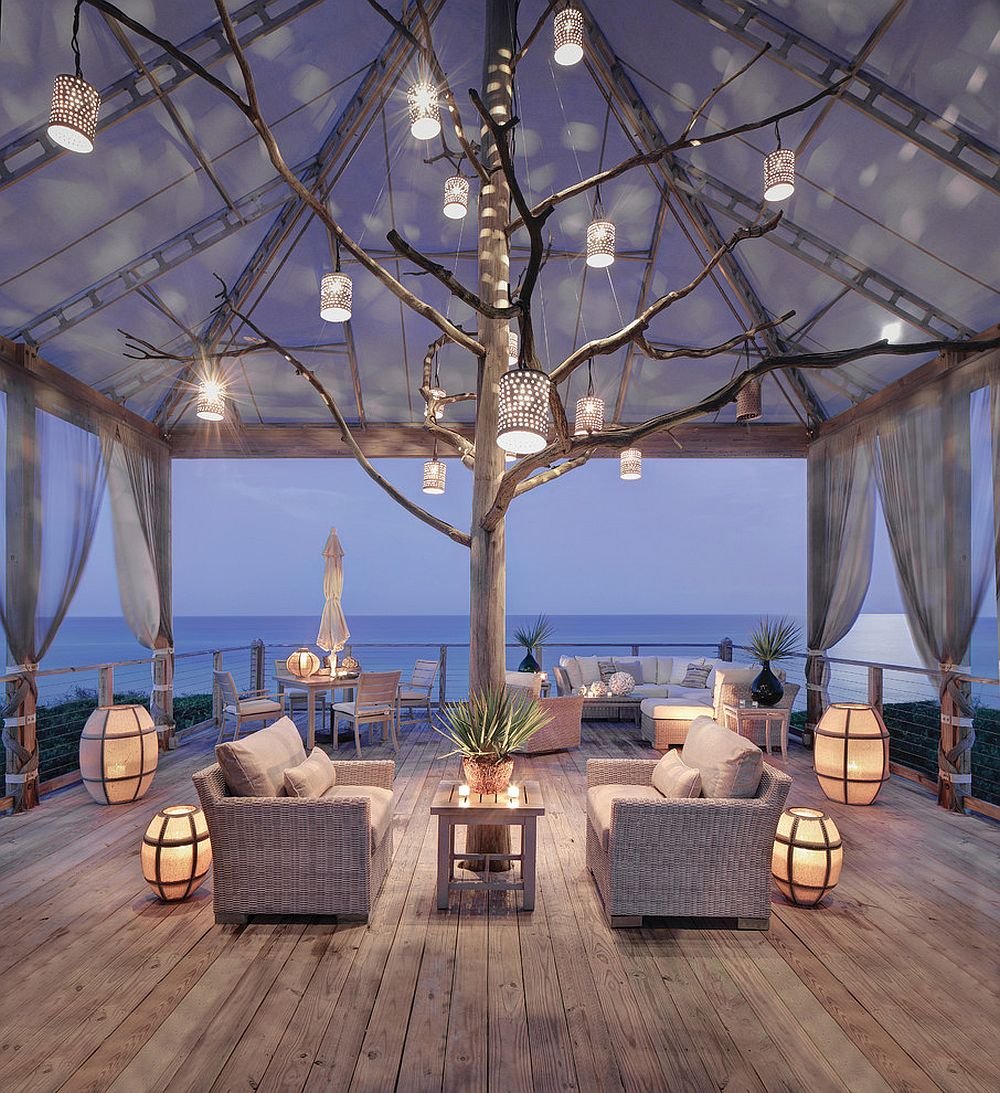
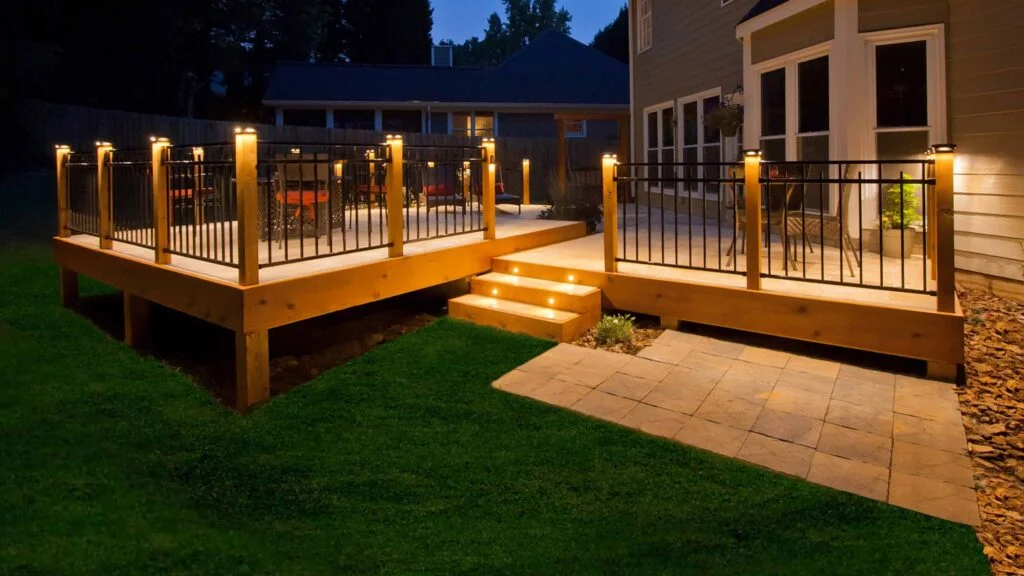
Deck lighting used to be an afterthought. You screwed a fixture near the back door, aimed a floodlight at the yard, and called it finished. That approach is fading fast. The deck lighting trends 2026 brings forward are built around a different idea: light should shape the space, not just fill it.
Homeowners are spending more time outdoors after sunset, and they have noticed that harsh, glaring light makes a deck less pleasant, not more. Manufacturers responded with smaller fixtures, warmer color temperatures, and control systems that let you dial the whole deck up or down from your phone.
This article walks through what is genuinely popular in 2026, what it costs in terms of effort, and how to decide which options fit your deck. You will get a comparison of the main fixture types, a step-by-step planning process, and straight answers on the questions that come up most.
Three forces are shaping the market.
LED maturity. Efficiency gains have slowed, so manufacturers now compete on light quality instead. That means better color rendering, tighter beam control, and fixtures that no longer look like flashlights bolted to a railing.
Outdoor living investment. The North American Deck and Railing Association’s industry reports has tracked steady growth in outdoor living projects, and lighting is increasingly specified at the design stage rather than added later.
Light pollution awareness. Groups like DarkSky International’s guidelines on responsible lighting have pushed the case for shielded, downward-facing fixtures. Homeowners have picked up the message. Warm, low, and aimed down is the look people ask for now.
If there is one defining shift, it is color temperature. Cool white light in the 4000K to 5000K range reads as clinical outdoors. It flattens wood tones and makes composite decking look gray.
Warm white light around 2700K does the opposite. It brings out the grain in wood, warms up composite, and matches the light spilling out from indoor windows. Most premium deck lighting kits now ship at this temperature by default.
Some manufacturers have gone further with warm dimming, where the light shifts warmer as you lower the brightness, mimicking a fire or a dimmed incandescent bulb.
Here is how the main categories compare.
| Fixture Type | Best Placement | Visibility When Off | Glare Risk | Typical Effort to Install |
|---|---|---|---|---|
| Recessed deck lighting | Deck surface, stair risers | Nearly invisible | Very low | High, requires drilling |
| Deck step lighting | Stair risers, sidewalls | Low | Low | Medium |
| Deck railing lights | Under top rail, in posts | Low if hidden | Low to medium | Medium |
| Deck post cap lights | Top of posts | Fully visible | Medium to high | Low |
| Under deck lighting | Joists, beams below | Hidden | None from above | Medium |
| Surface-mounted wall lights | House wall, columns | Fully visible | High if unshielded | Low |
The trend line runs from the bottom of that table toward the top. Fixtures you cannot see are winning.
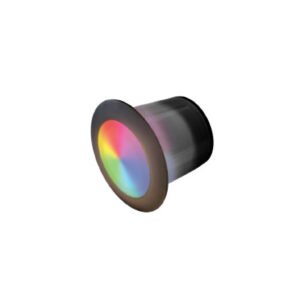
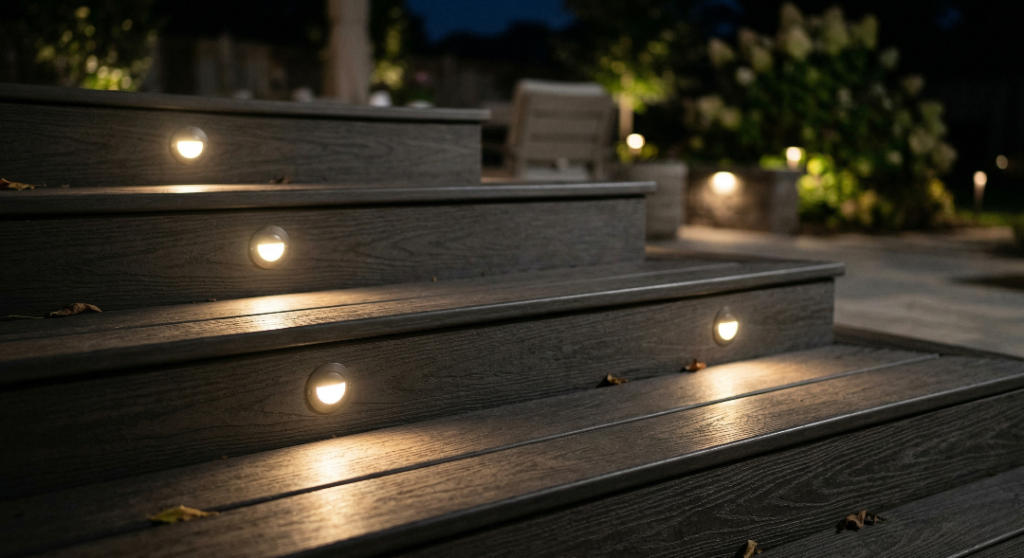
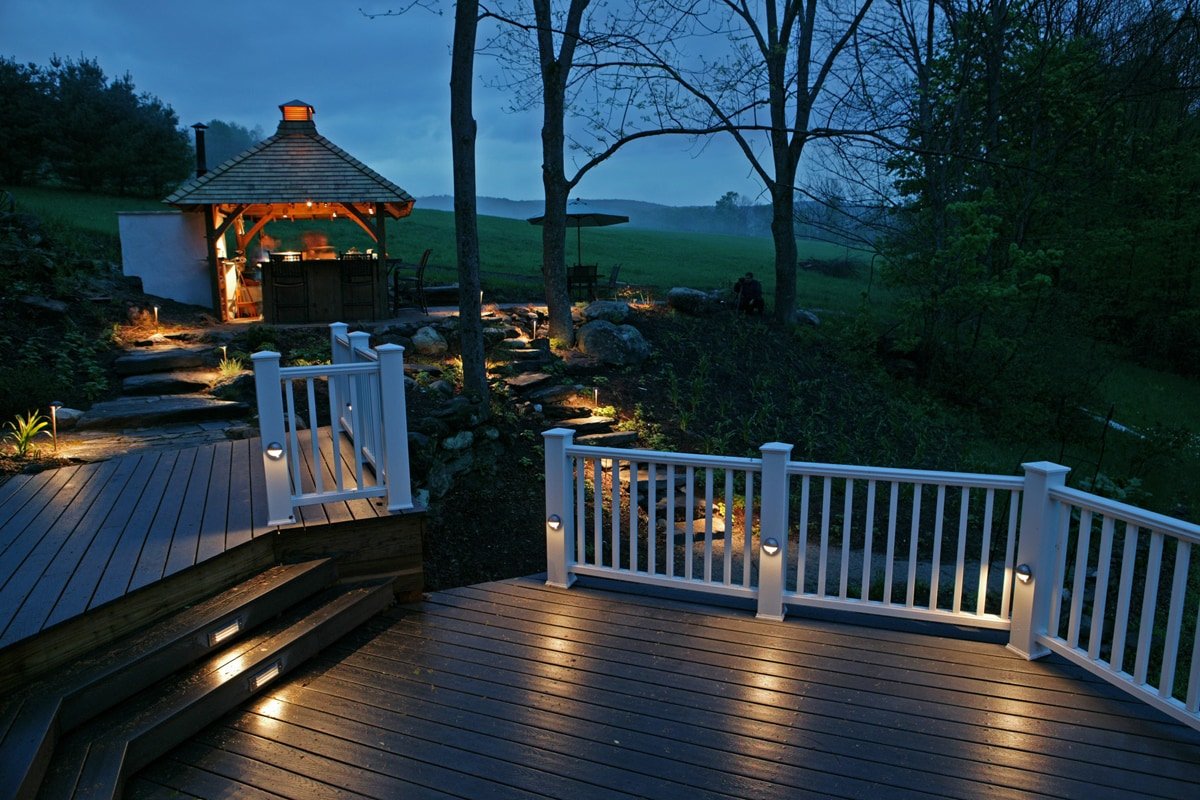
Recessed deck lighting fixtures sit flush with the surface or riser. When it is off, you see a small metal ring or nothing at all. When it is on, you get a soft pool of light with no visible source.
This is the most requested category in 2026 for good reason. It looks intentional, it survives foot traffic, and it does not interrupt sightlines. The trade-off is installation. You are drilling holes in finished decking and running wire underneath, which is harder to retrofit than it is to plan from the start.
Stairs are the one place where lighting is a safety issue rather than a style choice. Deck step lighting installed in the riser throws light down onto the tread, exactly where a foot lands.
The current preference is one fixture per step on wider stairs, or alternating steps on narrow ones. Uniformity matters more than brightness here. A single bright light at the top of a staircase creates shadows on the lower steps, which is worse than no light at all.
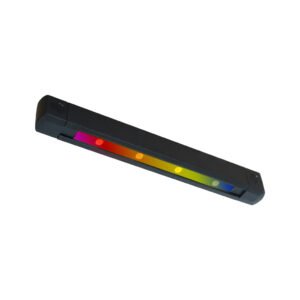
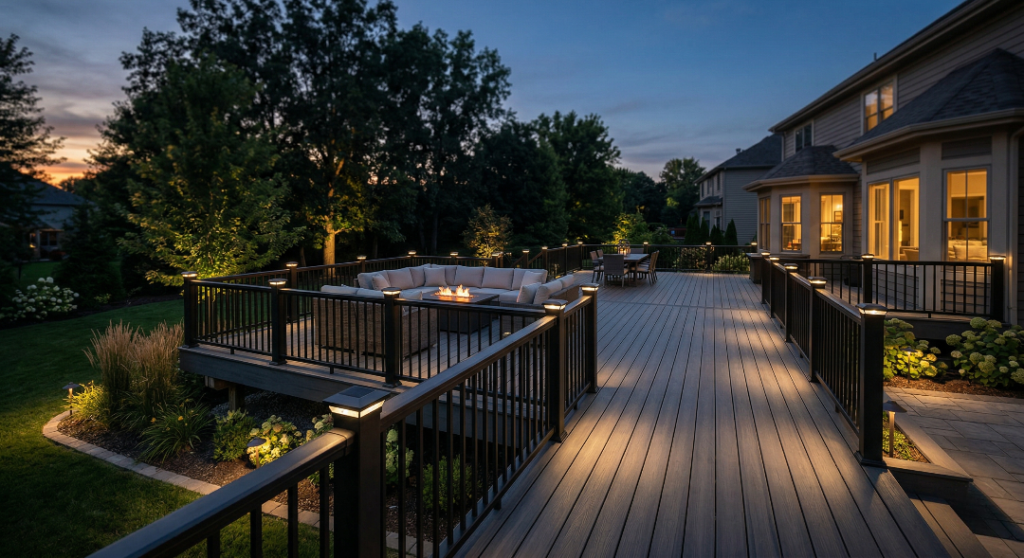
Deck railing lights hidden under the top rail wash light down the balusters and onto the deck surface. This is the current preferred approach because the source stays out of your eye line while you are seated.
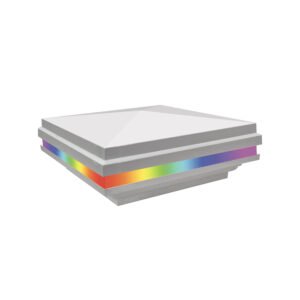
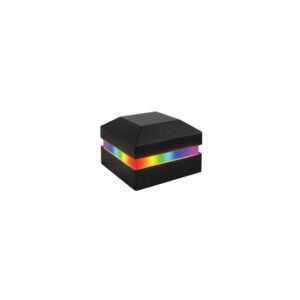
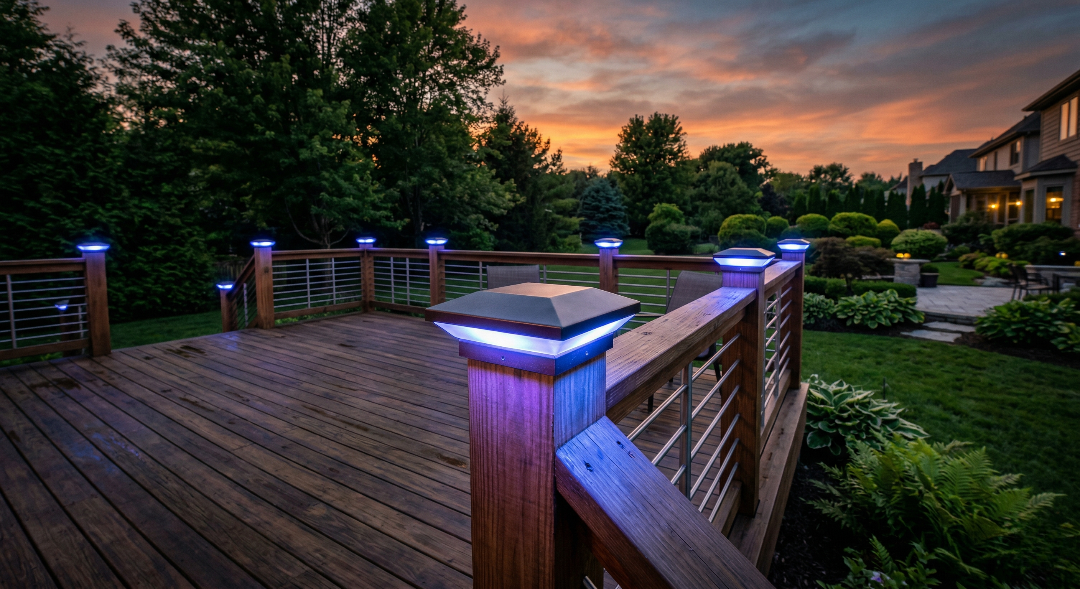
Deck post cap lights are still popular, but the design has changed. The tall glowing lanterns of a decade ago have given way to low-profile caps that emit downward through a diffused lens rather than glowing outward at eye level.
If your deck is used mainly for dining and conversation, prioritize hidden rail lighting. If you want the deck to read as a defined shape from inside the house or across the yard, post caps do that job better.
Under deck lighting has grown from a niche request into a standard upsell, especially on elevated decks where the space below is finished as a patio. Fixtures mount to joists and beams, and the light bounces off the ceiling or the ground for a soft, sourceless glow. Under deck lighting on the joists turns unused space below into a second living area.
Any fixture on a deck surface will sit in standing water at some point. Look for an IP65 rating at minimum for railing fixtures and under-rail fixtures, and IP67 for anything recessed into a walking surface or stair tread.
Manufacturers use the word waterproof loosely in marketing. The IP number is the part that means something. The Illuminating Engineering Society’s outdoor lighting standards publishes guidance on outdoor lighting practice that is worth reading if you want to go deeper.
A homeowner with a 400 square foot elevated composite deck had two bright wall-mounted floodlights by the back door. The deck was technically lit, but nobody used it after dark. The glare made it uncomfortable to face the house, and the far end of the deck stayed in shadow.
The redesign removed both floodlights. In their place went recessed lights in every stair riser, a hidden strip under the top rail around the full perimeter, two small fixtures aimed at the grill counter, and under deck lighting on the joists to light the patio below.
The total fixture count went up considerably. The total light output went down. The deck became the most used part of the house from May through October. That inversion, more fixtures at lower output, is the single clearest summary of where deck lighting trends 2026 have landed.
Smart app control systems used to be a luxury feature. In 2026 it ships with most mid-tier low voltage systems.
The practical value is not novelty. It is scenes. You set a dinner scene, a late-evening scene, and a stairs-only scene once, then stop thinking about it. Astronomical timers turn the system on at sunset year-round without seasonal adjustment.
If your deck lighting is a single zone with a handful of fixtures, a basic photocell timer does the job and costs far less. If you have three or more zones, smart control pays for itself in convenience within the first season.
A: Warmer color temperature, hidden and recessed fixtures, layered zones instead of one bright source, and smart control as a standard feature rather than an upgrade.
A: 2700K warm white is the standard choice. It flatters wood and composite decking and matches interior light spilling outdoors.
A: The 12 volt side is generally safe for a confident DIYer. The transformer connection to household power should follow local code and often requires an electrician.
A: One per riser on wider staircases, or every other riser on narrow ones. Consistency matters more than brightness.
A: They work as a low-cost accent but rarely deliver consistent brightness through a full night or through winter. For primary lighting, wired low voltage is the reliable choice.
A: IP65 minimum for railing and under-rail fixtures. IP67 for anything recessed into a walking surface where water pools.
A: Yes for railing, post cap, and under deck lighting. Recessed surface fixtures are much harder to retrofit because of the wire routing underneath.
A: Yes, in the low-profile downward-emitting style. The tall glowing lantern shape reads as dated.
A: Quality fixtures are typically rated for tens of thousands of hours. Real-world lifespan depends more on moisture ingress and connection quality than on the LED itself.
A: Yes. It lets you keep stairs lit for safety while dimming everything else down for atmosphere.
Low voltage lighting
A system running at 12 volts through a transformer rather than household line voltage. It is safer to work with and easier to expand.
Color temperature
A measure in Kelvin of how warm or cool light appears. Lower numbers look warm and yellow, higher numbers look cool and blue.
IP rating
A two-digit code showing how well a fixture resists dust and water. The second digit covers water, and higher is better.
Layered lighting
A design method that combines ambient, task, and accent light rather than relying on a single bright source.
The deck lighting trends 2026 has produced all point the same direction. Less glare, warmer light, smaller fixtures, and more control. The result is a deck you actually want to sit on after dark instead of one that is merely lit.
Start with the stairs, add a hidden ambient layer, then build outward with task and accent light. Keep everything on one warm color temperature, put stairs on their own zone, and give yourself dimming range. Those four decisions will do more for the finished result than any single fixture choice.
If you are planning a deck lighting project this season, map your layout before you buy anything. The homeowners who end up happiest are the ones who decided how they wanted the space to feel before they picked a fixture.
Ready to plan your deck lighting? Get in touch for a layout review and fixture recommendations tailored to your deck.
Key Takeaways A deck that goes dark at sunset loses half its value. In Pennsylvania, that problem gets worse, because
Key Takeaways A deck that goes dark at 7 p.m. in October is a deck you only use half the