- FREE Shipping on all orders! Limited time!
- support@tru-scapes.com

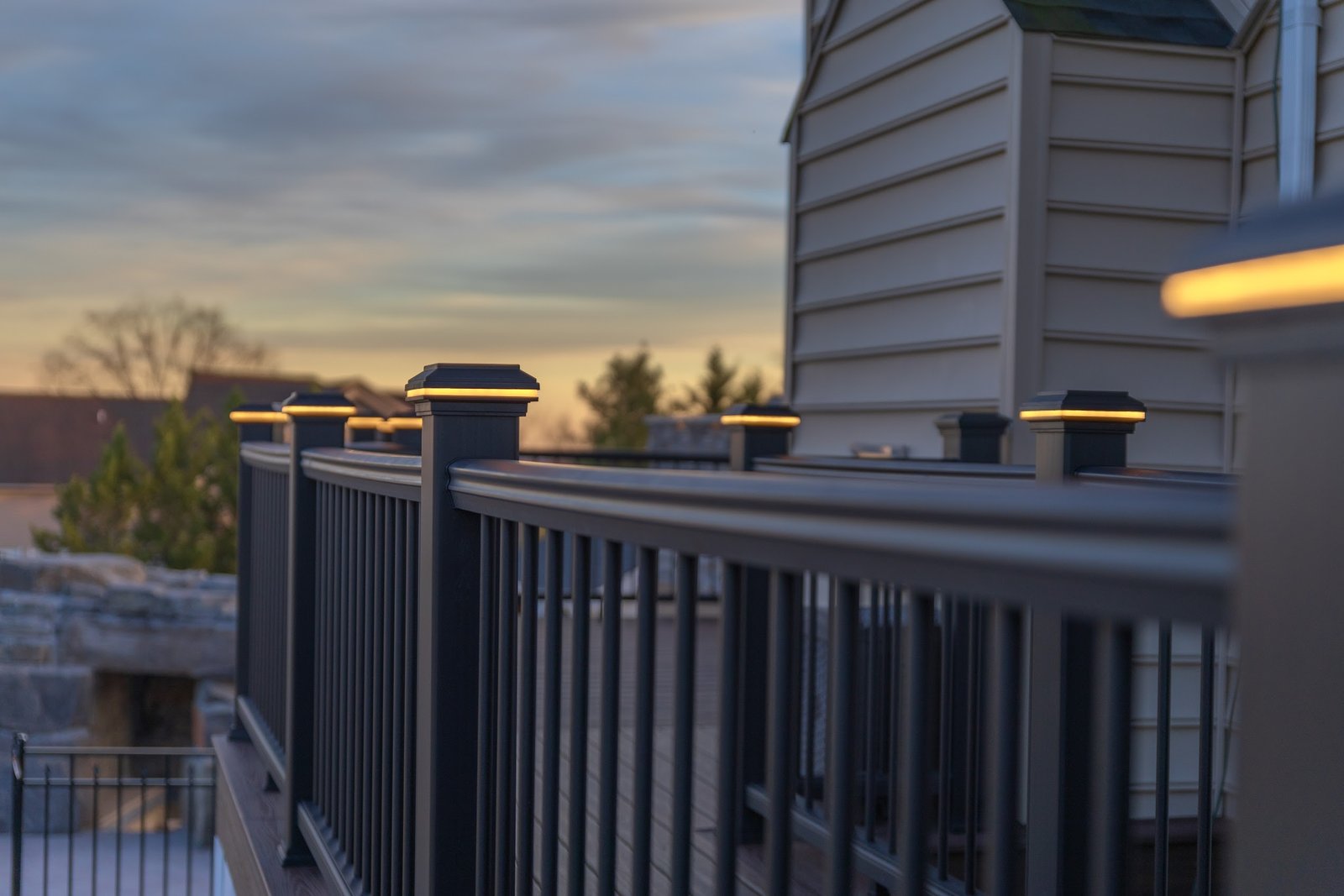
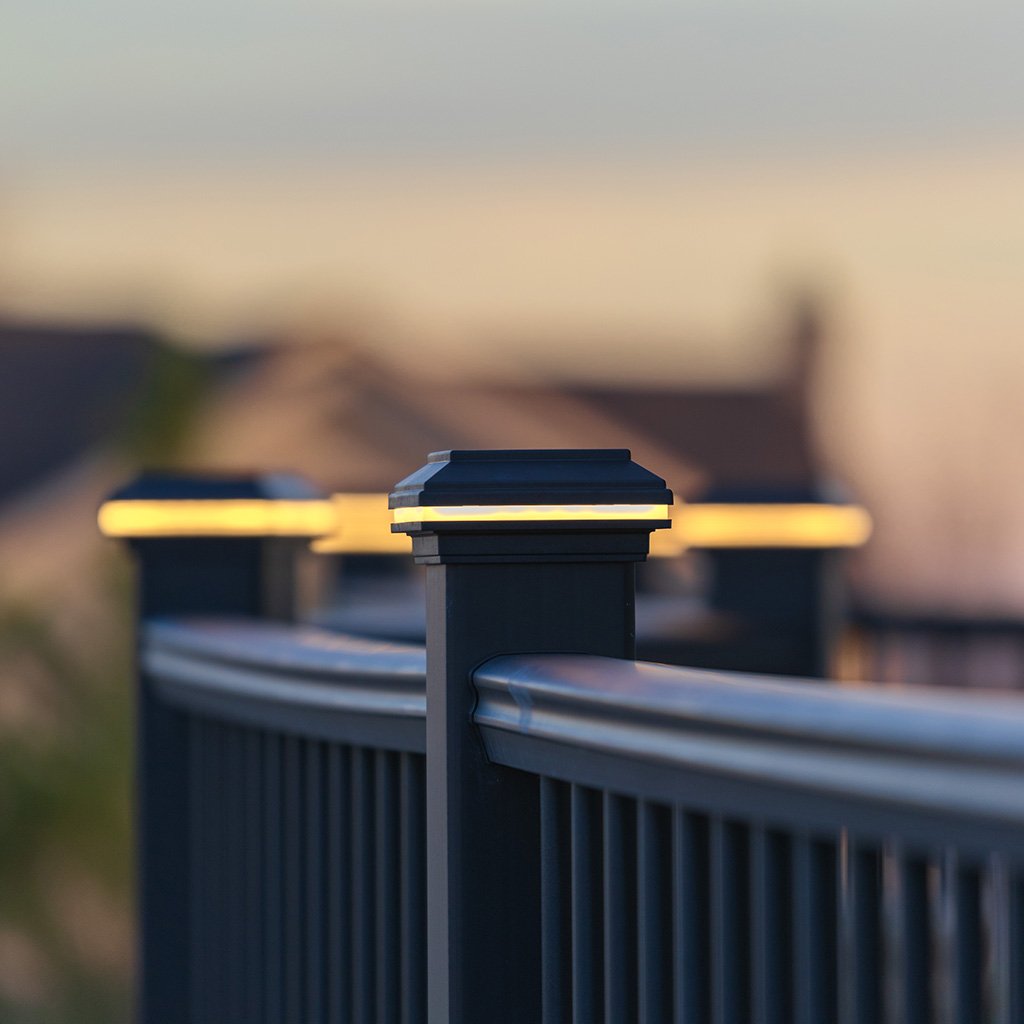
When most homeowners shop for outdoor lighting, they focus on style first — finish color, silhouette, how a fixture looks on a product page. What gets far less attention is the one factor that determines whether that fixture is still functioning beautifully three years from now: outdoor lighting fixture quality.
Fixture quality isn’t just about premium materials or polished aesthetics. It encompasses how a light handles temperature swings, rain, UV degradation, and the relentless wear of outdoor environments. It affects how evenly your deck is lit, whether your soffit lights flicker after one winter, and whether your post cap lights survive the first hard freeze. Tru-Scapes takes this seriously, engineering each fixture for long-term performance in real American outdoor conditions — not just for how it looks in a box.
This article breaks down exactly what fixture quality means, how to evaluate it, and why cutting corners on this one decision creates compounding problems for your entire lighting system.
Quality is easy to claim and hard to define. For outdoor lighting specifically, it comes down to several measurable and observable factors that determine how a fixture performs over its lifespan.
The outer shell of a fixture does more than hold the components together. It has to resist corrosion, handle thermal expansion and contraction, and block moisture ingress that would damage the LED driver and circuit board inside.
Die-cast aluminum is widely considered the benchmark material for quality outdoor fixtures. It’s lightweight, corrosion-resistant, and dissipates heat efficiently — which directly extends LED lifespan. Compare that to plastic housings that become brittle in UV exposure, or zinc alloys that corrode rapidly in humid climates.
Tru-Scapes engineers their deck lights and sconces with aluminum construction precisely because it survives where lesser materials fail. The Tru-Scapes® 2.5″ Aluminum LED Deck Post Light exemplifies this — built to withstand the kind of exposure that eliminates cheap plastic alternatives within a season or two.
IP ratings tell you how well a fixture resists dust and moisture. The number that follows “IP” has two digits: the first rates dust protection (0–6), and the second rates water resistance (0–9). For outdoor fixtures in rain-exposed locations, an IP65 rating or higher is the minimum worth considering. You can review the official IP rating standards from the IEC to understand exactly how these classifications are tested and verified.
| IP Rating | Dust Protection | Water Protection | Suitable For |
|---|---|---|---|
| IP44 | Protected from objects >1mm | Splash resistant | Covered patios only |
| IP65 | Fully dust-tight | Jet water resistant | Most outdoor applications |
| IP67 | Fully dust-tight | Temporary submersion | Grade-level or wet zones |
| IP68 | Fully dust-tight | Continuous submersion | Submerged or poolside use |
A fixture rated IP44 marketed as “outdoor” can still fail when exposed to heavy rain, sprinkler spray, or poolside splashing. Always verify the IP rating before committing to a fixture for an exposed installation, and see our guide on what to look for in waterproof deck lights to ensure your fixtures match your specific climate conditions.
The LED driver converts your power supply’s voltage to the precise current the LED modules need. A poor-quality driver causes flickering, premature dimming, and early failure. Professional-grade deck lights and soffit lights use thermally managed drivers that maintain stable output even during temperature extremes. You can find verified LED lighting performance data from the U.S. Department of Energy to understand why driver efficiency and thermal design dictate real-world lifespan.
Homeowners who choose Tru-Scapes benefit from LED components selected for consistent color temperature, efficient lumen output, and compatibility with the Tru-Scapes® 200W Transformer — a system designed so the transformer and fixtures communicate reliably throughout the installation. For deeper technical guidance, our ultimate guide to low-voltage transformers covers load matching, wiring best practices, and system sizing.
A single underperforming fixture in a landscape lighting system rarely fails in isolation. When one fixture degrades, it changes the load on the transformer, affects wire run voltage drop, and often signals that others in the same batch are close behind. Understanding understanding voltage drop in deck lighting is critical, as mismatched or degraded fixtures can starve downstream lights of adequate power.
Moisture infiltration is the most common cause of outdoor fixture failure. Once water reaches the LED board, it corrodes solder joints and causes irregular current flow. That irregular current then increases heat, which degrades the remaining components faster. What starts as a flickering deck light becomes a failed fixture within months.
Fixtures that see full sun during the day and cool nighttime temperatures experience repeated thermal expansion and contraction. Poor-quality housings crack at seams and connection points. Low-grade gaskets compress and lose their seal over time. Quality landscape lighting uses engineering-grade materials and compression seals that maintain integrity through thousands of thermal cycles. Following outdoor lighting maintenance best practices can catch early seal degradation before it becomes a systemic failure.
Cheap LED modules — often sourced without binning standards — produce noticeable color variation between fixtures on the same installation. One post light may appear warm white while the next reads slightly cool or green-shifted. Professional-grade fixtures use binned LEDs, meaning each unit is tested and matched to a consistent color temperature range. Refer to the official Color Rendering Index (CRI) definition from the IES to understand how professional fixtures maintain color accuracy, and review our resource on choosing the best LED color temperature to avoid mismatched tones in your design.
Use this process to avoid common quality pitfalls before purchasing outdoor lighting fixtures.
| ✅ Professional-Grade Fixtures | ❌ Consumer-Grade Fixtures |
|---|---|
| Aluminum or high-grade alloy housing | Plastic or thin stamped metal housing |
| IP65+ rated for full weather exposure | Often IP44 or unrated |
| Binned LEDs with consistent color | Unbinned LEDs with color variation |
| Multi-year manufacturer warranty | Limited or no warranty |
| Compatible with quality transformers | Generic voltage requirements |
| Maintains output over years of use | Dimming and flickering within 1–2 seasons |
| ✅ Do | ❌ Don’t |
|---|---|
| Match fixtures to your transformer’s wattage capacity | Mix fixture brands without verifying voltage compatibility |
| Choose aluminum construction for exposed areas | Use indoor-rated fixtures outdoors “temporarily” |
| Verify IP ratings for every installation zone | Assume all “outdoor” fixtures handle rain equally |
| Group similar wattage fixtures on the same transformer zone | Overload a single zone with mismatched wattages |
| Read full product specs before ordering | Rely on marketing photography alone |
Consider a homeowner in the mid-Atlantic region who installs a full deck lighting system using low-cost fixtures sourced from a big-box retailer. The installation looks great in the first season. By the second winter, two post cap lights have failed entirely, one soffit light flickers intermittently, and two fixtures show visible corrosion at their mounting points.
The root cause: plastic housings that cracked at freeze-thaw cycles, undersized LED drivers, and no meaningful water sealing.
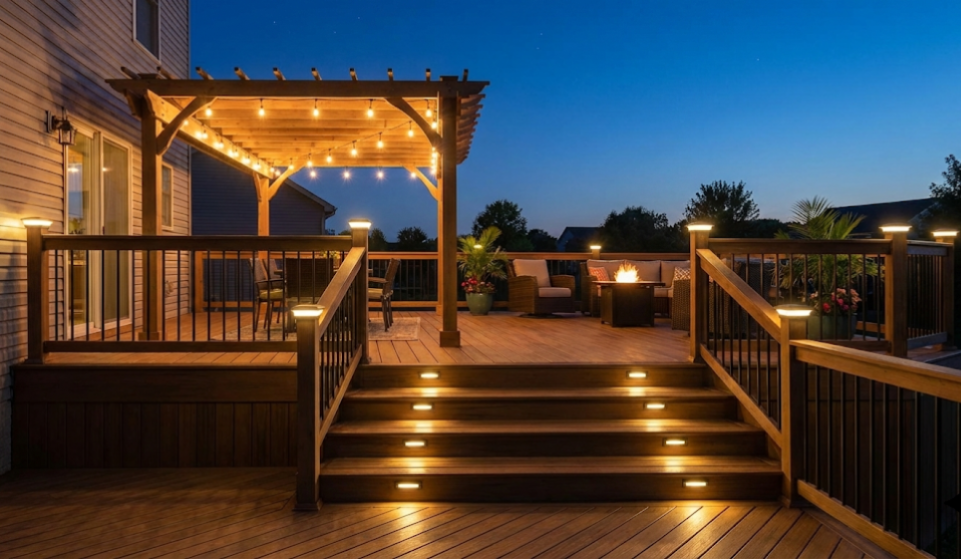
The homeowner replaces the entire system using the Tru-Scapes approach — starting with the Tru-Scapes® 2.5″ Aluminum LED Deck Post Light for the post caps, the Tru-Scapes® Low Profile Ceiling / Soffit Light for the covered areas overhead, and the Tru-Scapes® Dual Lamp Sconce for the privacy fence panels. The entire system runs off a single Tru-Scapes® 200W Transformer, properly sized and installed for the total fixture load.
Two seasons later, every fixture performs exactly as it did on installation day. No corrosion. No flickering. No replacements. That’s what reliable landscape lighting looks like when fixture quality is the starting point, not an afterthought.
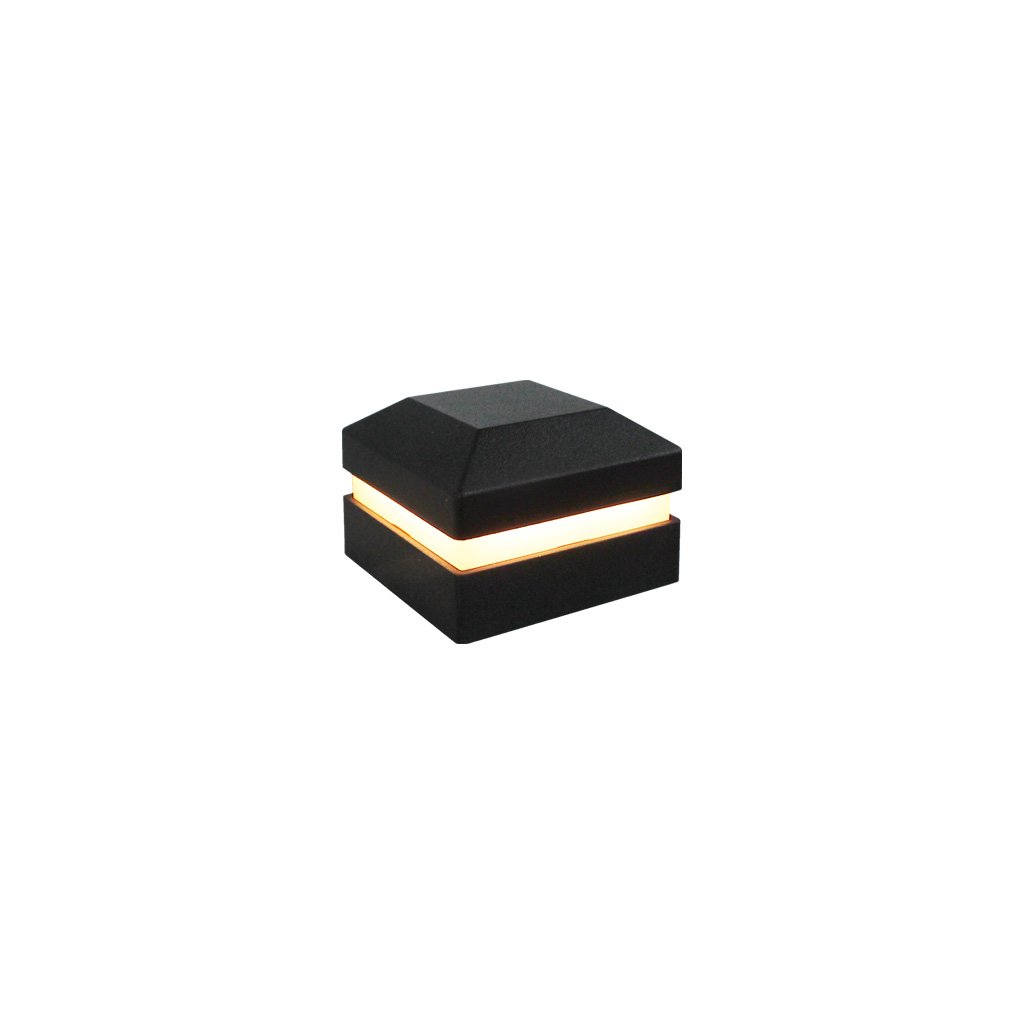
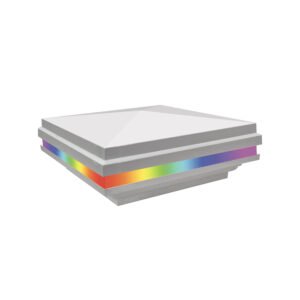
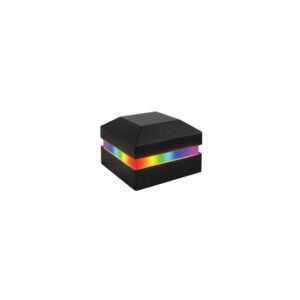
Tru-Scapes® 2.5″ Aluminum LED Deck Post Light – Sleek Deck & Fence Post Cap Lighting
Built from solid aluminum with a clean, low-profile design, this post cap light is engineered for the kind of direct weather exposure that eliminates lesser fixtures. It delivers consistent, warm light output and is sized to fit standard 2.5-inch post tops on decks, fences, and railings. For homeowners who want lasting curb appeal without annual replacements, this fixture sets the right standard.
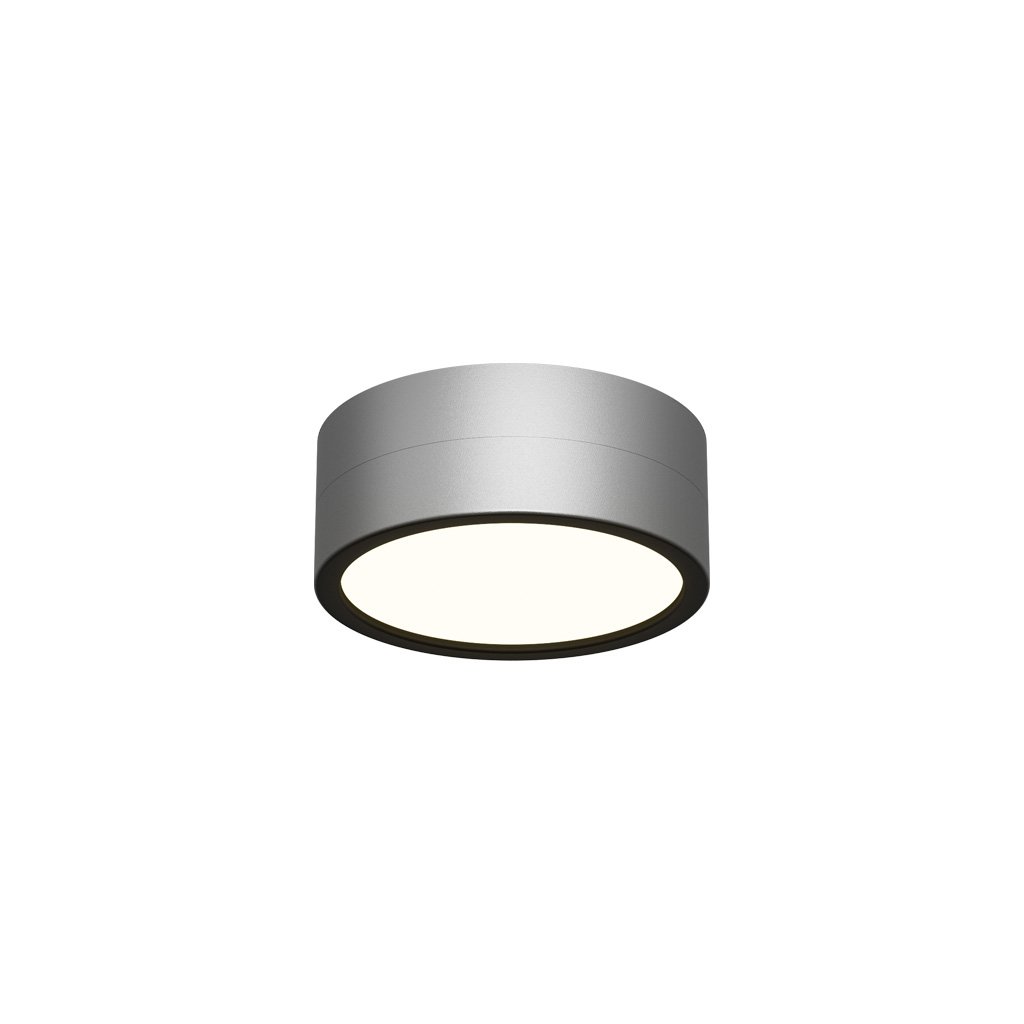
Tru-Scapes® Low Profile Ceiling / Soffit Light
This ceiling and soffit light is designed to sit flush against covered outdoor surfaces, providing even, shadow-free illumination across porches, pergolas, and deck overhangs. Tru-Scapes engineers this fixture with a housing depth that works in tight mounting situations where bulkier lights simply don’t fit. It’s a quality outdoor fixture built for installations where reliability and a clean look are non-negotiable.
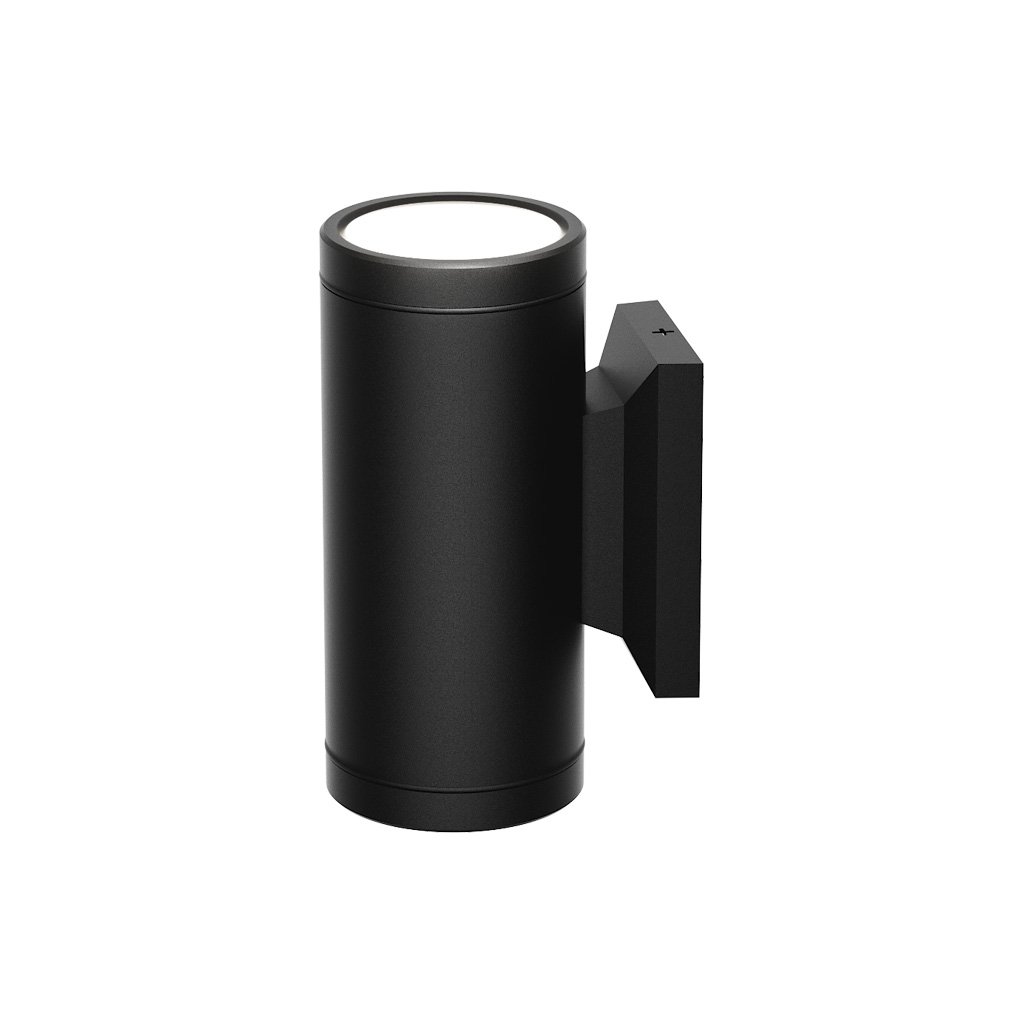
The Dual Lamp Sconce offers directional light from two lamp heads in a single fixture — useful for illuminating fence panels, privacy walls, and outdoor seating areas where a single-source fixture leaves uneven coverage. Available in black and bronze finishes, it’s built to the same aluminum construction standards as the rest of the Tru-Scapes lineup, ensuring consistent quality and finish durability across an entire outdoor installation.
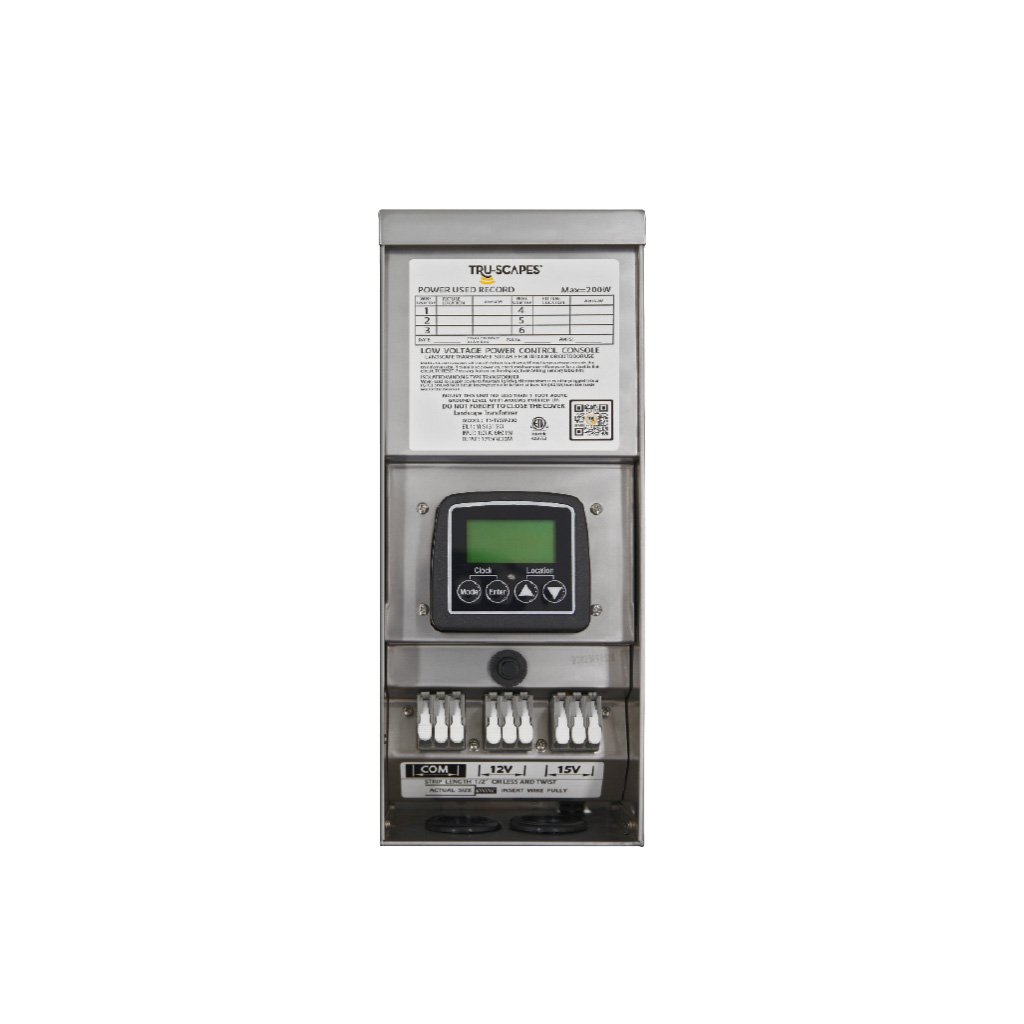
No fixture system performs better than the transformer powering it. Tru-Scapes engineers this 200W transformer for low-voltage landscape and deck lighting systems, with the capacity and stable output needed to support multiple zones of professional-grade deck lights. Reliable landscape lighting depends on clean, consistent power delivery — this transformer is designed to provide exactly that, protecting the LED drivers in every connected fixture.
When this article asks why fixture quality matters, the honest answer is: because everything downstream depends on it. The performance of your landscape lighting system — the evenness of your deck illumination, the longevity of your soffit lights, the reliability of your post cap fixtures after three winters — traces back to decisions made in the manufacturing of each component.
Tru-Scapes engineers their fixtures with that chain of consequences in mind. The aluminum housing on the Tru-Scapes® 2.5″ Aluminum LED Deck Post Light isn’t a premium option — it’s a baseline design decision that protects everything inside the fixture. The compatibility between Tru-Scapes fixtures and their dedicated transformer isn’t accidental — it reflects a systems-engineering approach where every component is designed to work with every other.
Homeowners who choose Tru-Scapes aren’t just selecting fixtures that look good in a product photo. They’re choosing a brand that has thought through what outdoor environments actually do to lighting hardware over years of exposure. That means fewer replacements, more consistent performance, and a deck or landscape that looks as good in year four as it did when the system was first switched on. For anyone who takes outdoor lighting seriously, the Tru-Scapes approach to build quality is the clearest answer available.
Professional-grade outdoor fixtures are distinguished by their housing material (typically die-cast aluminum), IP ratings of IP65 or higher, binned LEDs with verified color temperature specifications, and multi-year warranties. They’re engineered to perform in real outdoor conditions — not just in a controlled showroom environment.
IP rating is critical for any fixture exposed to rain, sprinkler spray, or humidity. For standard deck and patio installations, look for a minimum of IP65. Fixtures without a stated IP rating should be treated as unrated and avoided for exposed outdoor use.
Yes, significantly. Aluminum housing dissipates heat far more efficiently than plastic, and LED lifespan is directly tied to operating temperature. A well-housed LED can last 50,000 hours or more; the same LED module in a poorly ventilated plastic housing may fail in a fraction of that time.
Transformer sizing depends on the total wattage of all connected fixtures, plus a safety buffer of 20–25%. The Tru-Scapes® 200W Transformer is designed to handle the wattage demands of multi-zone residential deck and landscape lighting systems while delivering stable output to protect LED drivers.
Technically possible, but not recommended. Fixture brands often differ in voltage tolerances, connector types, and driver specifications. Mixing brands can create voltage mismatches that shorten driver lifespan and create uneven output across the installation.
Look for fixtures rated for the temperature extremes in your region and verified IP65 or better water resistance. Aluminum construction handles freeze-thaw cycles better than plastic or zinc housings. For coastal or high-humidity environments, look specifically for corrosion-resistant finishes and stainless hardware.
Deck lights are designed for mounting on hard structures — posts, railings, soffits, and ceilings — and typically use low-voltage LED systems. Landscape lights are designed for in-ground or stake mounting in garden beds and lawn areas. Both categories benefit from the same quality standards: aluminum construction, IP65+, and quality LED components.
Consistent LED binning in quality fixtures means uniform color temperature across your entire installation — no warm-cool mismatches between adjacent post lights. Quality housing maintains its finish over years of sun and moisture exposure. The result is a lighting system that looks intentional and cohesive, not patchy or deteriorated.
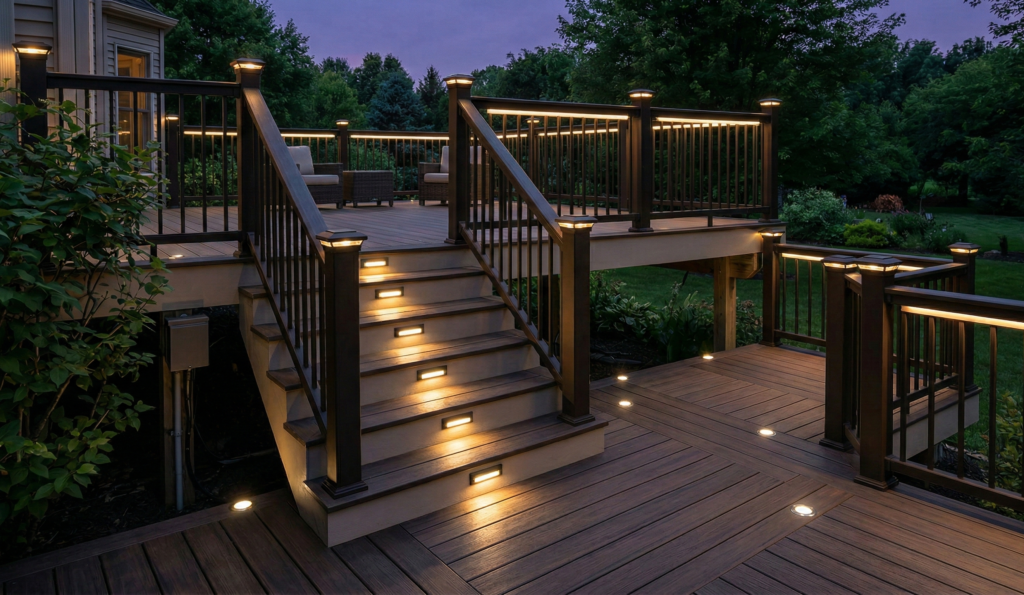
Outdoor lighting fixture quality isn’t a luxury consideration — it’s the foundation of every outdoor lighting system that performs reliably over time. Housing material, IP protection, LED component specs, and transformer compatibility all determine whether your landscape lighting is an asset that grows with your property or a recurring maintenance headache.
The fixtures that last, maintain consistent output, and survive real American weather conditions are the ones built to professional-grade standards from the start. The Tru-Scapes product line — from the Tru-Scapes® Low Profile Ceiling / Soffit Light to the Tru-Scapes® Dual Lamp Sconce — is built with exactly those standards in mind. If you’re planning a deck, patio, or landscape lighting installation and want results that hold up season after season, start with fixtures engineered to go the distance.
Key Takeaways Outdoor steps are among the most overlooked elements of a deck design — until something goes wrong. A

Key Takeaways Every homeowner who has installed a string of bargain-bin landscape lights knows the frustration: within a single season,