- FREE Shipping on all orders! Limited time!
- support@tru-scapes.com

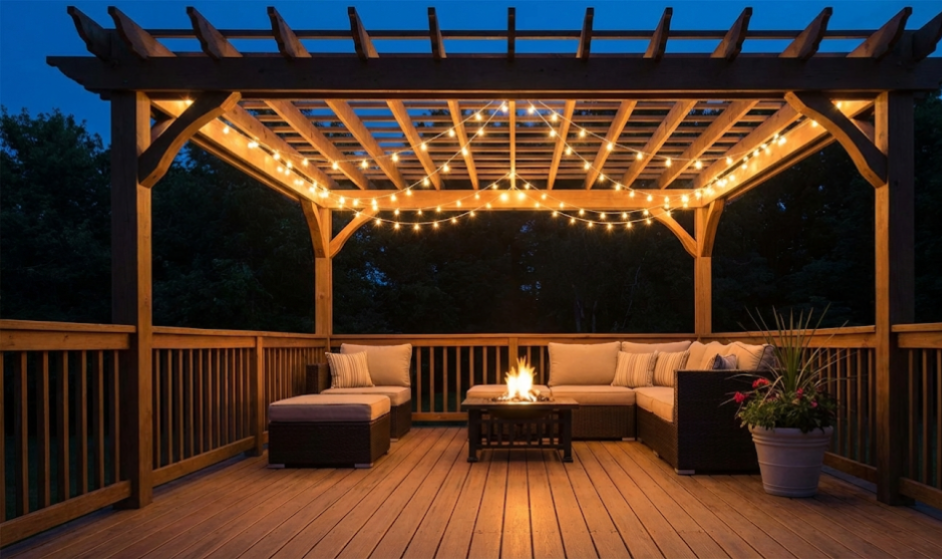
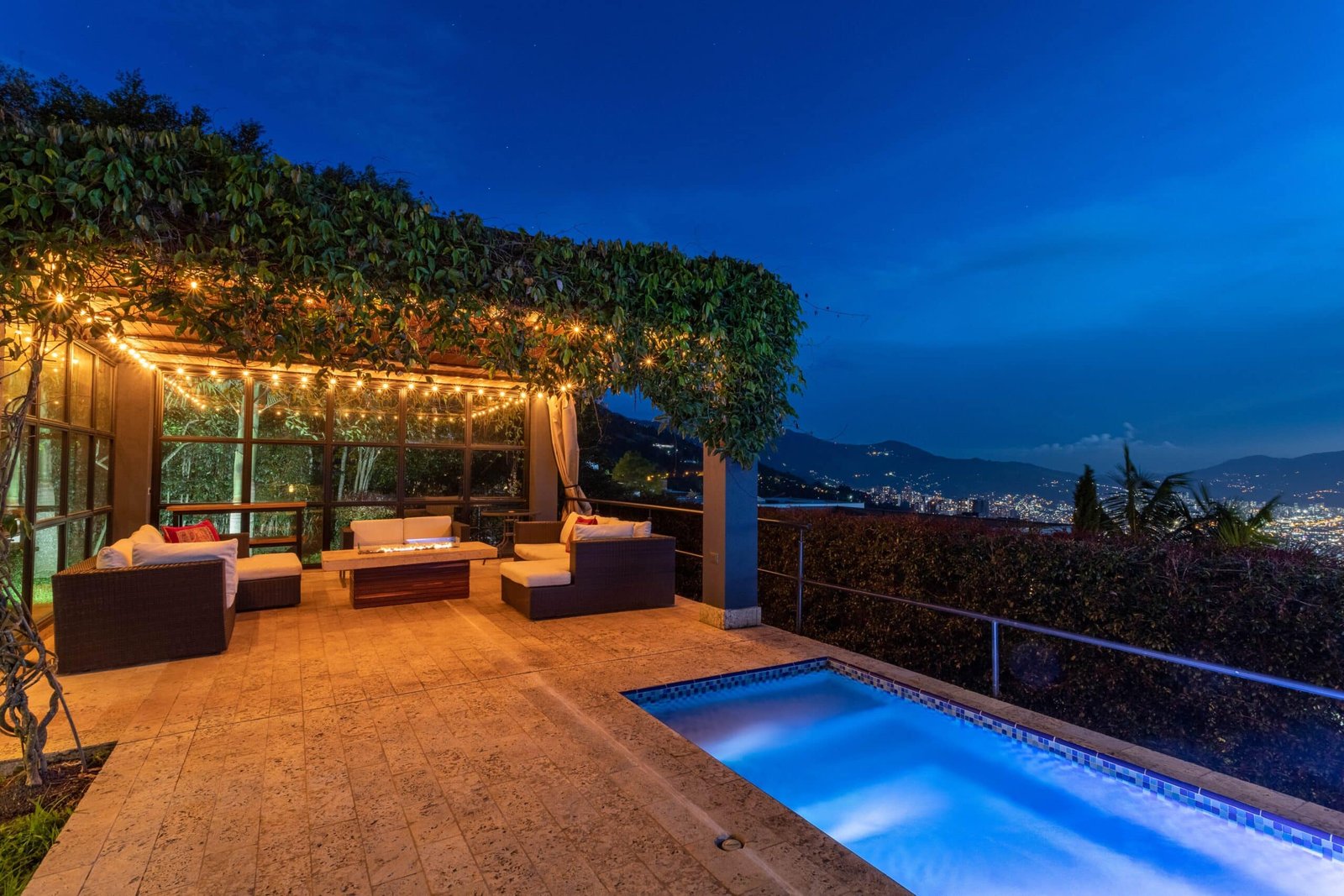
Philadelphia decks work hard. A rooftop in Fishtown, a narrow rear deck behind a South Philly rowhome, or a second-story platform in Manayunk all have to fit dinners, drinks, and quiet nights into very little square footage. Once the sun goes down, most of that space goes unused.
Good deck lighting Philadelphia homeowners can rely on fixes that problem. In this guide, you will learn which fixture types work best for city decks, how to plan a layout step by step, what to avoid, and how to keep your setup safe, code-friendly, and easy on your neighbors.
Urban decks face challenges that suburban yards rarely do. Space is tight, neighbors are close, and many decks sit one or more stories off the ground.
Here is why lighting matters so much in Philadelphia:
DarkSky International’s lighting recommendations suggest fully shielded, downward-facing fixtures and warmer light. That advice fits dense Philadelphia blocks perfectly.
Dedicated deck step lighting is the first upgrade most homes need. Small fixtures mounted into stair risers light each tread so you can see your footing without a harsh overhead light.
Deck railing lights mount under the top rail and wash light downward onto the deck boards. They outline your space, which helps on elevated decks where the edge matters.
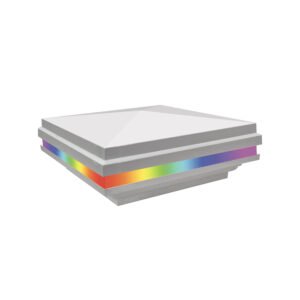
Deck post cap lights sit on top of railing posts and give off a soft ambient glow. They are a simple way to add style, and they work well on decks with composite or vinyl posts.
Recessed deck lighting installs flush with the deck surface or fascia. Because nothing sticks out, it suits small decks where every inch of floor counts.
If your deck sits above a patio or ground-level space, creative under deck lighting turns the area below into a second usable room. This is a great option for elevated rear decks with a covered area underneath.
String lights overhead add a relaxed, cafe-like feel that fits the city vibe. Pair them with fixed fixtures rather than relying on them alone, since they rarely light steps well.
All-in-one deck lighting kits bundle fixtures, a transformer, and cable in one package. They are a practical starting point for smaller decks or homeowners who want matching fixtures without piecing a system together.
Choosing among deck lighting fixtures is easier when you compare what each one does best.
| Fixture Type | Best For | Light Style | Install Difficulty | Ideal Deck |
|---|---|---|---|---|
| Deck step lighting | Stair safety | Focused, low | Moderate | Any deck with stairs |
| Deck railing lights | Edge definition | Downward wash | Moderate | Elevated and rooftop decks |
| Deck post cap lights | Ambient glow | Soft, diffused | Easy | Decks with visible posts |
| Recessed deck lighting | Clean, flush look | Subtle, directional | Harder | Small or modern decks |
| Under deck lighting | Space below deck | Broad, even | Moderate | Second-story decks |
| Deck lighting kits | Quick, matched setup | Varies | Easy | Small to mid-size decks |
If you need safety above all, choose step and railing lights first. If your goal is atmosphere, start with post cap lights and add string lighting later.
Most outdoor deck lighting today runs on low voltage, usually 12 volts, powered through a transformer that plugs into an outdoor outlet. Line-voltage systems run on standard household current.
Pros:
Cons:
Pros:
Cons:
If your deck is small to mid-size, which describes most Philadelphia decks, low voltage is almost always the better fit. If you are building a large rooftop entertaining space with a kitchen and heavy power needs, talk to a licensed electrician about line voltage.
Follow these steps to plan a layout that looks good and works well.
A homeowner in Point Breeze with a 12-by-14-foot rooftop deck. The deck had one wall-mounted porch light, and the stairs from the rear hatch were nearly invisible at night.
The plan started with safety. Recessed step lights went into each stair riser, and deck railing lights went under the top rail on all three open sides. Deck post cap lights were added to the four corner posts for a soft glow.
Everything ran on a single low-voltage transformer with a photocell timer. The result was a deck that felt usable on fall evenings, with no glare spilling into the neighbor’s bedroom window across the alley. The homeowner later added string lights over the seating area as a finishing touch.
Philadelphia sees hot, humid summers, heavy rain, and freezing winters. That mix is hard on cheap fixtures.
When you shop, look for:
If your deck is fully exposed on a rooftop, prioritize the highest water and dust resistance you can find. If it sits under a covered area, a slightly lower rating may be fine. The Illuminating Engineering Society (IES) offers widely used guidance on outdoor lighting quality that professionals follow.
A: Recessed and step lighting work best on small decks because they stay flush and save space. Add post cap lights for a soft glow.
A: Plug-in low-voltage systems often do not, but new outlets or line-voltage circuits may. Check with Philadelphia L&I before starting.
A: Solar lights are easy to install but are often dimmer and less reliable, especially on shaded urban decks. Low-voltage wired systems are usually more dependable.
A: Warm white, around 2700K to 3000K, creates a relaxing feel and reduces glare for neighbors.
A: LEDs last much longer than incandescent bulbs, according to the U.S. Department of Energy. Actual life depends on fixture quality and weather exposure.
A: Many homeowners install low-voltage under deck lighting themselves. For line-voltage work, hire a licensed electrician.
A: An IP rating shows how well a fixture resists dust and water. Higher numbers mean better protection.
A: Kits are a good value for small decks and first-time installs. Larger or custom decks usually benefit from a planned, custom system.
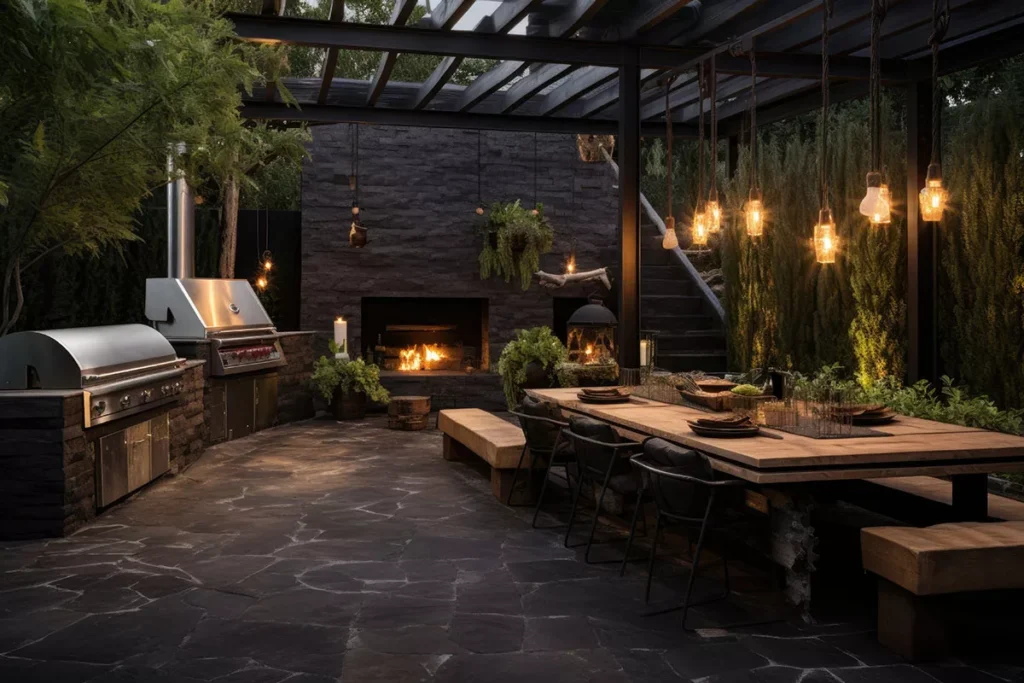
A well-lit deck gives Philadelphia homeowners more usable space without adding a single square foot. Start with steps and edges, choose waterproof low-voltage LED fixtures, and layer in post cap, railing, and recessed lights for depth. Keep the light warm and shielded so your neighbors enjoy it as much as you do.
Ready to bring your deck to life after dark? Explore our deck lighting options and start planning a setup built for city living.
Key Takeaways Philadelphia decks work hard. A rooftop in Fishtown, a narrow rear deck behind a South Philly rowhome, or
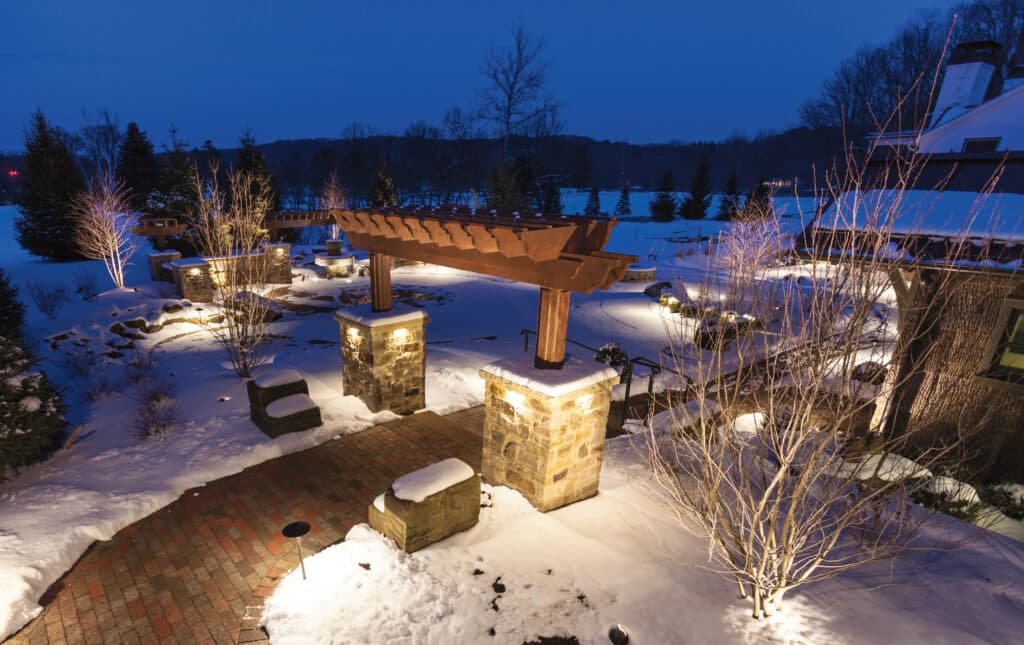
Key Takeaways Pennsylvania decks take a beating every year. Snow piles up in December, ice glazes the steps in January,