- FREE Shipping on all orders! Limited time!
- support@tru-scapes.com

Every year, emergency rooms across the United States treat thousands of patients for injuries sustained from falls on outdoor stairs and decks. The National Safety Council consistently lists falls as one of the leading causes of unintentional injury in the home — and exterior stairs are a significant contributor, especially after dark.
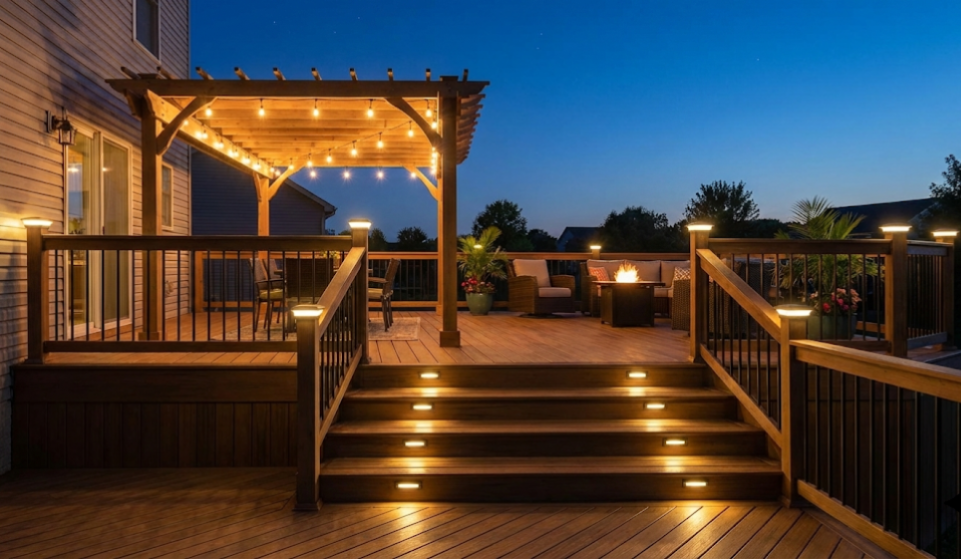
Deck lighting for safety directly addresses one of the most preventable hazards around your home. When guests, children, or elderly family members navigate your deck at night, poorly lit stairs become a genuine liability. This article covers everything you need to know: why riser lights are the most effective solution, how to plan a complete stair lighting system, what to look for in a product, and which specific fixtures deserve a place on your deck.
Slip-and-fall incidents on deck stairs almost always trace back to one of three causes:
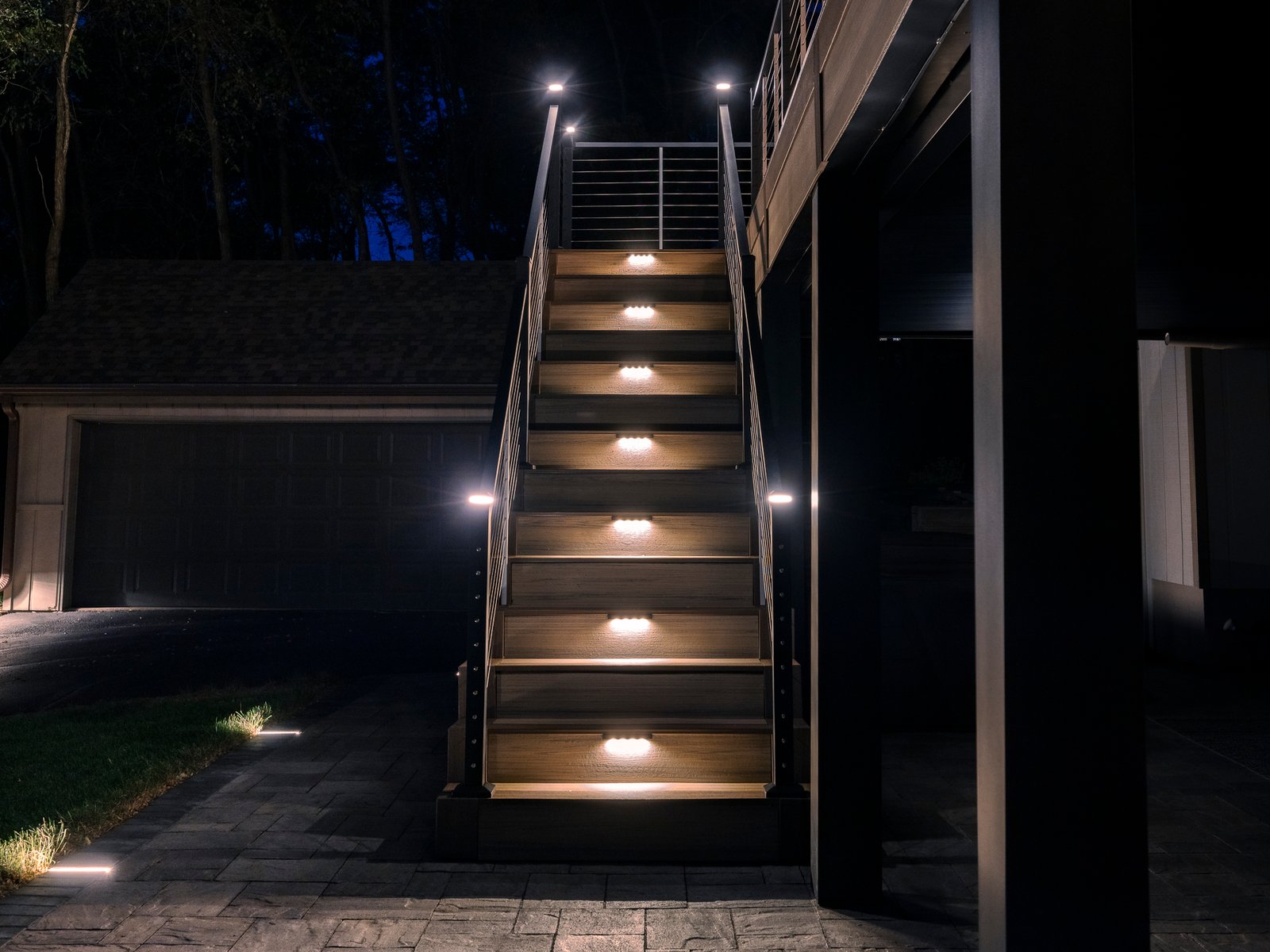
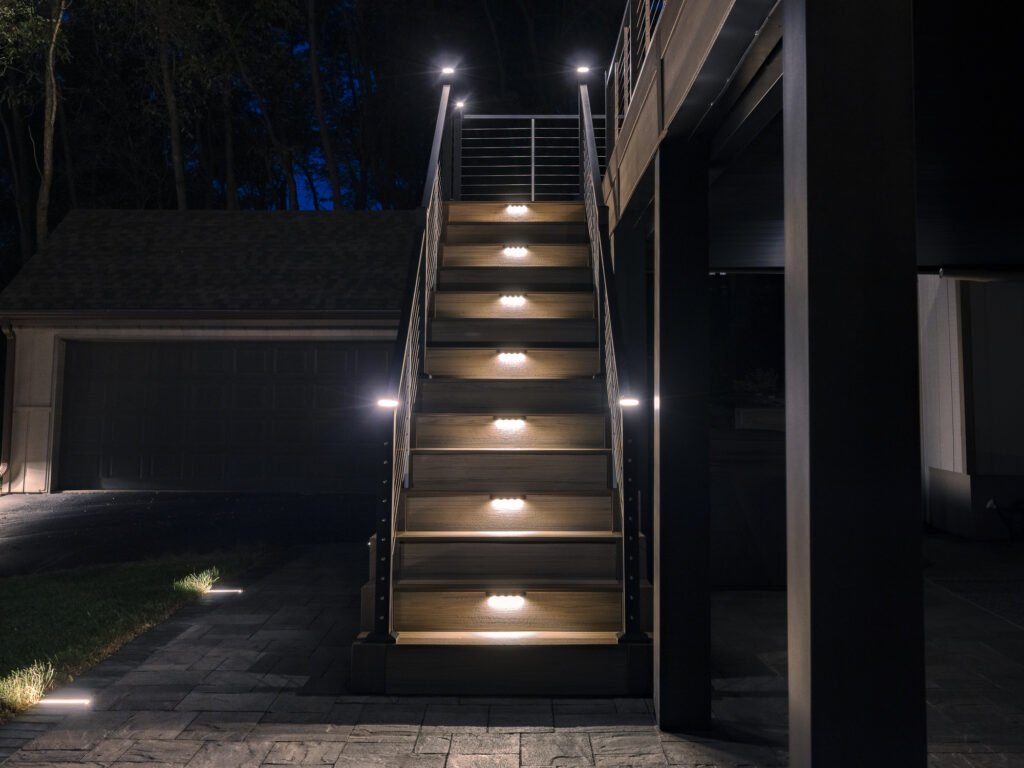
Riser lights for deck stairs solve the first two causes directly. By casting a downward wash of light along each step’s face, they create a luminous contrast line right where the eye needs it most.
Many homeowners assume a single porch fixture or wall-mounted lantern covers the stairs. In practice, overhead lighting creates heavy shadows on each riser and often leaves the actual tread surface dim. Industry lighting designers and the Illuminating Engineering Society both recommend layered lighting for exterior stairs — combining ambient overhead light with dedicated stair step or riser lighting at eye level and below.
Overhead fixtures illuminate the horizontal surface of a tread. Riser-mounted lights illuminate the vertical face of each step, providing the contrast depth cue the eye needs to step safely.
Follow these steps in order before purchasing any fixtures:
For deck safety lighting on stairs, 40 to 100 lumens per fixture is the commonly recommended range. Brighter is not always better — overly intense step lights create glare that actually reduces depth perception. The goal is soft, consistent illumination that defines each step edge without blinding the person descending.
| Feature | LED | Halogen | Solar |
| Lifespan | 25,000–50,000 hrs | 2,000–4,000 hrs | Varies (battery dependent) |
| Energy use | Very low | High | Free (sunlight dependent) |
| Weather performance | Excellent | Moderate | Inconsistent in low sun |
| Color consistency | High | Moderate | Variable |
| Dimmability | Yes (with compatible dimmer) | Yes | Rarely |
| Recommended for stairs | ✅ Yes | ⚠️ Limited | ⚠️ Unreliable |
LED is the clear choice for permanent, reliable deck safety lighting. Solar-powered stair lights may supplement an LED system but should not be relied on as the sole light source — cloudy winter days leave them dim precisely when early sunset demands the most illumination.
DO:
DON’T:
One of the most common questions homeowners face is whether to choose a 3-inch or 6-inch riser light face. The answer depends on your stair width and design aesthetic.
If you have standard-width stairs (36 inches or less): a 3-inch fixture is proportionate and clean. It provides focused illumination without visually overwhelming a narrower stair.
If your stairs are wide (42 inches or more): a 6-inch fixture delivers better coverage across the full riser width. For staircases that are 48 inches wide or greater, some installers use two 3-inch lights per riser, centered at equal intervals.
If your priority is a sleek, minimalist look: the 3-inch profile sits more flush and disappears into the riser during daylight hours.
If you entertain frequently and want an ambient statement: the larger 6-inch fixture — especially in a color-changing model — creates a more dramatic visual effect.
A family in suburban Ohio had a 12-step deck staircase leading from their back door down to the patio. After a guest stumbled on the stairs during an evening gathering, the homeowner decided to install riser lights on every step. They chose a 12V low-voltage system with six-inch white LED riser lights, wired to a dusk-to-dawn transformer. Total materials cost was under $400. Post-installation, multiple guests commented that the stairs felt immediately safer and more inviting — and the homeowners reported using the backyard more frequently after dark because the space felt well-defined and welcoming.
The key to success was lighting every single riser. An earlier quote from a contractor suggested lighting only the top and bottom three steps to reduce cost. The homeowner rejected this approach — and the uninterrupted visual rhythm of a fully lit staircase made all the difference.
The following fixtures from Tru-Scapes Deck Lighting are purpose-built for deck stair safety and are designed to integrate cleanly into low-voltage outdoor lighting systems.
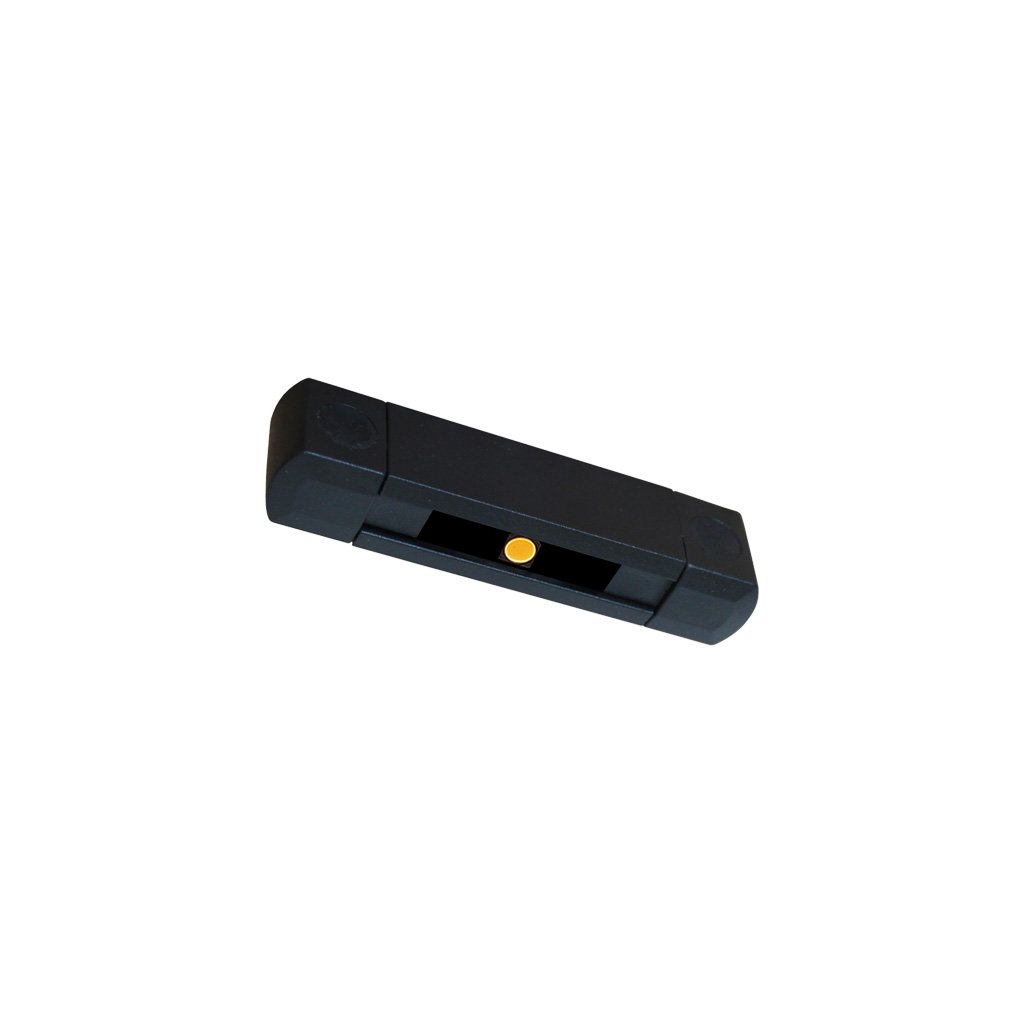
Tru-Scapes 3″ LED Deck Step Riser Light
This compact 3-inch riser light delivers focused, downward LED illumination ideal for standard-width deck stairs. Its low-profile face sits flush against the riser surface, making it nearly invisible during the day while providing consistent, dependable lighting every night. A solid choice for homeowners who want effective deck safety lighting without drawing attention to the fixtures themselves.

Tru-Scapes 6″ LED Deck Step Riser Light
The 6-inch version of Tru-Scapes’ core riser light is the right choice for wider staircases or homeowners who want broader light spread per fixture. The longer face distributes illumination evenly across wider risers, ensuring no dark edges remain at the corners of each step — the exact zones where missteps are most likely. Built for outdoor use and compatible with standard 12V low-voltage landscape systems.
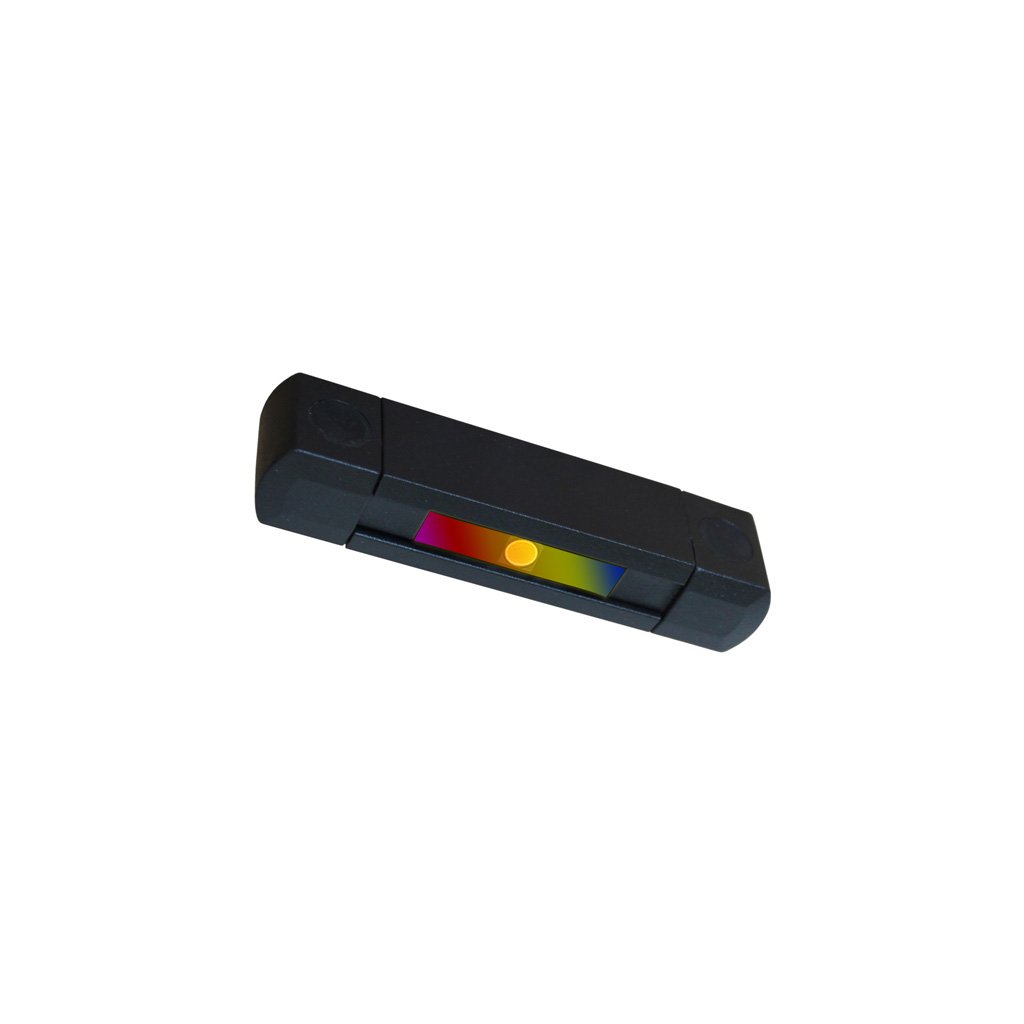
Tru-Scapes 3″ Color Changing LED Deck Step Riser Light
This 3-inch color-changing model lets homeowners dial in the right mood for any occasion while maintaining the safety function of a dedicated riser light. Whether set to warm white for everyday use or a vibrant color for a backyard event, it delivers dependable step-edge illumination in a compact form factor. The ability to shift colors makes it easy to transition from practical safety lighting to entertaining atmosphere in moments.
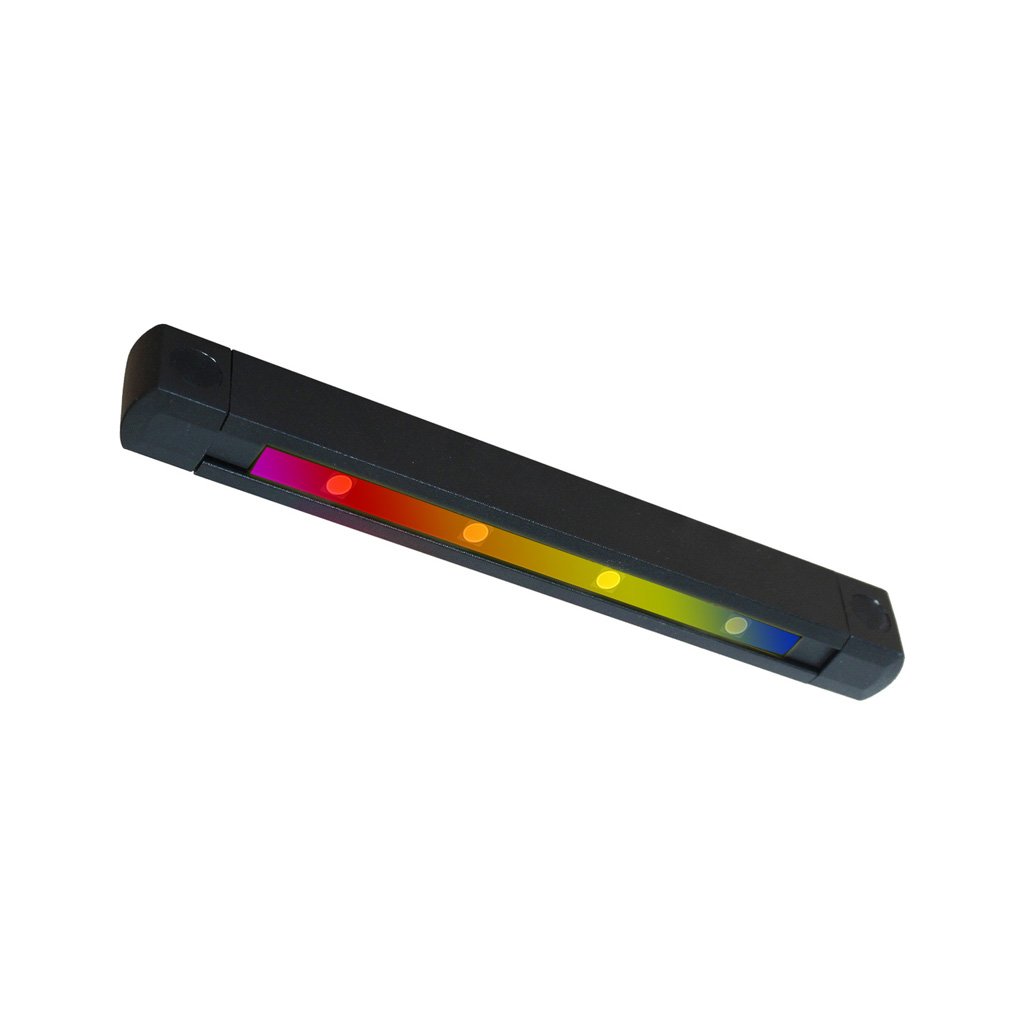
Tru-Scapes 6″ Color Changing LED Deck Step Riser Light
The largest and most versatile option in the lineup, this 6-inch color-changing riser light combines maximum coverage with full color control. It’s the ideal solution for wide staircases on entertaining decks where safety and aesthetics are equally important. The broad fixture face makes a visual statement while ensuring every inch of the stair riser is properly illuminated — exactly what deck safety lighting should accomplish.
Q: How many riser lights do I need for my deck stairs? One riser light per step is the standard recommendation. Skipping risers creates inconsistent illumination and shadow gaps that increase tripping risk.
Q: Are deck riser lights hard to install? Most 12V low-voltage riser lights are DIY-friendly. The main tasks are drilling a hole in each riser, routing wire behind the fascia, and connecting to a low-voltage transformer. For a full walkthrough, see these installation tips for beginners.
Q: What voltage system do deck stair lights use? Most residential riser lights operate on 12V low-voltage systems, which are safe to handle and widely compatible with standard landscape lighting transformers.
Q: Can I leave deck stair lights on all night? Yes — and it’s recommended for safety. Pairing your system with a dusk-to-dawn sensor or timer ensures the lights activate automatically at sunset and turn off at sunrise, using minimal energy.
Q: Are color-changing riser lights as safe as standard white lights? Yes, as long as the color mode is set to a visible wavelength. Most homeowners keep their color-changing fixtures set to warm white for everyday use and shift to color for events.
Q: What IP rating should outdoor stair lights have? Look for a minimum of IP65, which means the fixture is protected against dust and low-pressure water jets. In areas with heavy rain or snow, IP67 or higher provides additional peace of mind.
Q: Do riser lights work with a smart home system? Many modern low-voltage riser lights are compatible with smart landscape lighting controllers, allowing scheduling and color adjustment via a smartphone app.
Q: How long do LED riser lights last? Quality LED riser lights typically carry rated lifespans of 25,000 to 50,000 hours — equivalent to decades of normal nightly use.
Q: Will riser lights damage my deck’s wood or composite surface? When installed correctly with proper sealing around the mounting hole, riser lights do not damage surrounding materials. Always use the manufacturer’s recommended mounting hardware.
Q: Is deck safety lighting required by building codes? Code requirements vary by municipality. Many local building codes now require illumination for exterior stairs. Check with your local building department before or during any deck construction or renovation project.
Riser: The vertical face of a stair step, located between two horizontal treads. Riser lights are mounted directly on this surface to define each step edge.
Low-Voltage Lighting System: An outdoor electrical system that operates at 12 volts rather than standard household 120 volts. Low-voltage systems are safer to install, less expensive to run, and widely used for landscape and deck lighting.
IP Rating (Ingress Protection): A standardized two-digit code that indicates a fixture’s resistance to solids (first digit) and liquids (second digit). An IP65-rated light is dust-tight and resistant to water jets — the minimum recommended for outdoor stair applications.
Lumen: The unit of measurement for visible light output. For deck stair riser lights, 40–100 lumens per fixture provides effective safety illumination without glare.
According to the Centers for Disease Control and Prevention, falls are among the most preventable causes of injury — and the right lighting is one of the simplest interventions a homeowner can make. Falls on outdoor stairs are among the most preventable household accidents. The solution is straightforward: deck lighting for safety installed directly on each stair riser, running automatically from dusk to dawn, powered by a reliable low-voltage system.
The right riser light does three things at once. It prevents accidents by defining each step edge. It extends the usable hours of your outdoor space. And it elevates the entire look of your deck after dark.
Whether your staircase is narrow or wide, simple or statement-making, Tru-Scapes offers a fixture designed for exactly your situation. If you’re starting with a standard staircase and want a clean, no-fuss solution, the Tru-Scapes 6″ LED Deck Step Riser Light delivers excellent coverage and durability. If you want full ambiance control for an entertaining deck, explore the color-changing lineup.
Don’t wait for an incident to prompt the upgrade. Light every riser, every night — your family and your guests deserve a safe path home.
Key Takeaways Outdoor steps are among the most overlooked elements of a deck design — until something goes wrong. A

Key Takeaways Every homeowner who has installed a string of bargain-bin landscape lights knows the frustration: within a single season,