- FREE Shipping on all orders! Limited time!
- support@tru-scapes.com

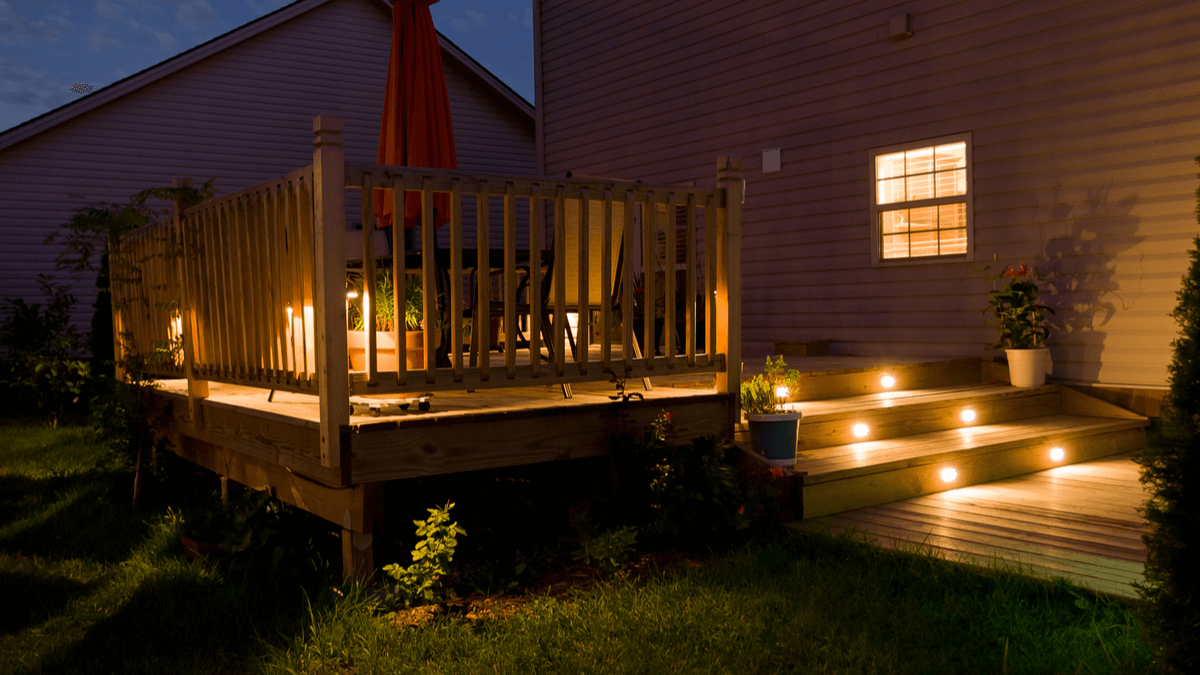
Walk onto a deck bathed in harsh, blue-white light and you’ll feel like you’ve stepped into a parking garage. Step onto one glowing with warm amber tones and you immediately relax. That difference comes down to one thing: color temperature.
When choosing outdoor deck lighting, most homeowners focus on fixture style or brightness. But color temperature may be the single most important decision you’ll make. It shapes mood, defines how your deck looks at night, affects how people feel in the space, and even influences safety. This guide walks you through everything you need to know — from the science behind the Kelvin scale to practical tips for deck step lighting, under deck lighting, recessed deck lighting, and more.
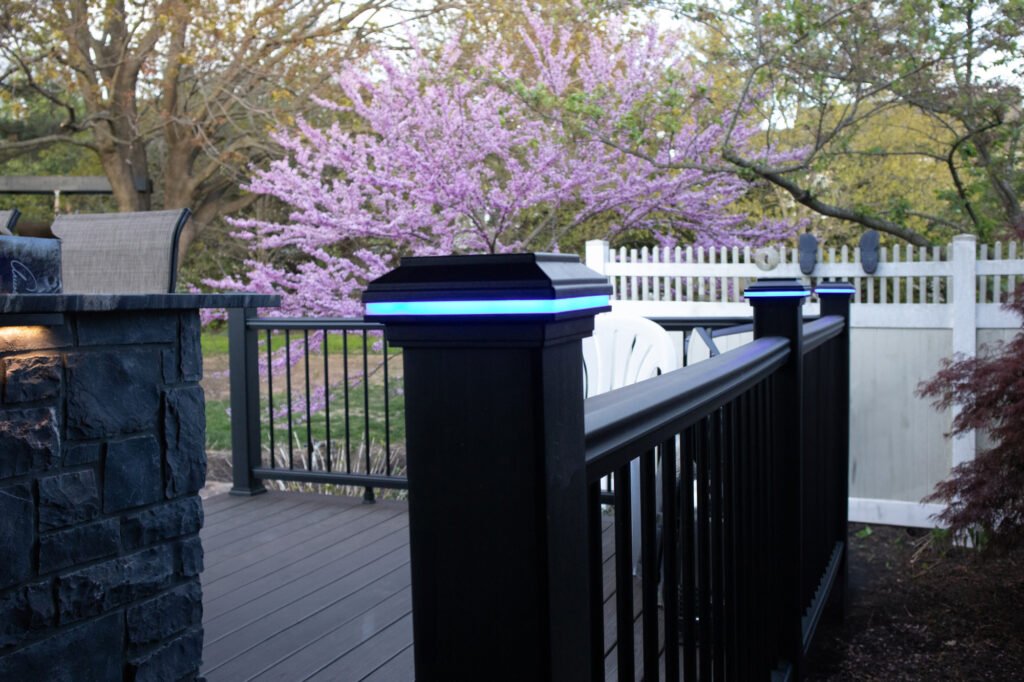
Key Takeaways
- Color temperature, measured in Kelvins (K), determines whether your deck light looks warm, neutral, or cool.
- Warm white (2700K–3000K) is the most popular choice for deck ambiance and entertaining.
- Cooler whites (3500K–4000K) improve visibility for steps, stairs, and work areas.
- Deck railing lights and post cap lights typically look best at 2700K–3000K.
- Mixing color temperatures on the same deck can create a disjointed, unattractive appearance.
- Always choose waterproof deck lights rated for outdoor use, regardless of color temperature.
- Understanding the Kelvin Scale
Color temperature is measured in Kelvins (K). Counter-intuitively, lower Kelvin numbers produce warmer, more orange or yellow light, while higher numbers shift toward cool, blue-white light. Here’s a simple breakdown:
| Kelvin Range | Color Appearance | Common Use |
|---|---|---|
| 2200K – 2700K | Warm white / amber | Ambiance, entertaining, residential |
| 2700K – 3000K | Soft white | Most residential deck lighting |
| 3000K – 3500K | Neutral white | Transition zones, covered patios |
| 3500K – 4000K | Cool white | Task lighting, stairs, safety zones |
| 4000K – 5000K | Daylight / bright white | Commercial, security lighting |
| 5000K+ | Blue-white / daylight | Rarely appropriate for decks |
For most residential decks, the sweet spot is 2700K to 3000K. This range flatters skin tones, complements natural wood materials, and creates the warm, inviting glow most homeowners are after. To understand the specific differences between these tones, you can explore our guide on warm vs. cool lighting options. The science behind this is rooted in energy-efficient LED technology, as detailed by the U.S. Department of Energy, which explains how modern LEDs allow for precise color control without sacrificing efficiency.
Different deck lighting fixtures serve different purposes. The right color temperature often depends on where and how the light is being used.
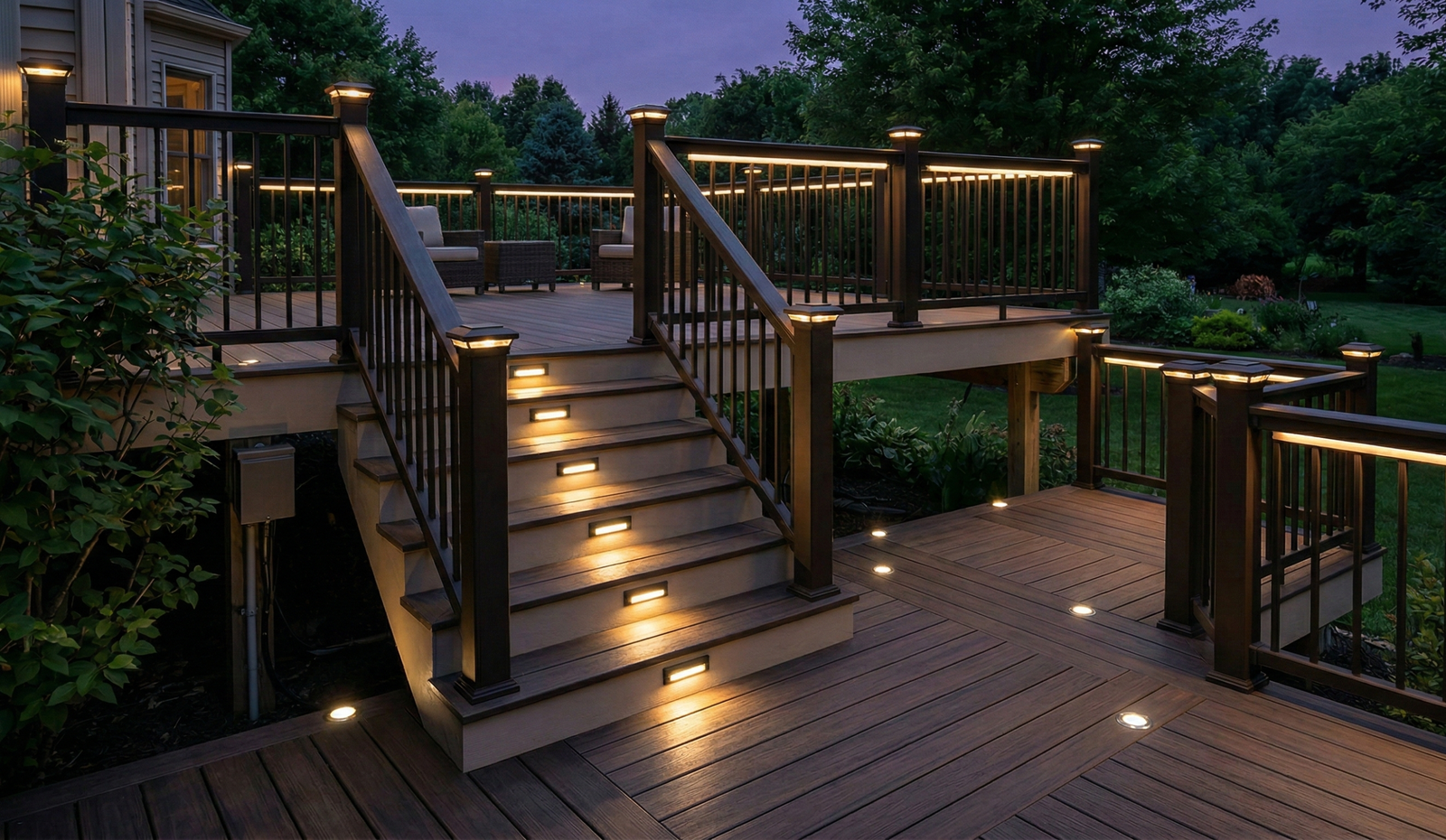
Deck railing lights are primarily decorative and safety-focused. They mark the edge of the deck and add visual interest. A warm 2700K–3000K tone works beautifully here, creating a soft glow along the perimeter without flooding the space with harsh light.
Post cap lights sit at the top of vertical posts and cast downward light across the deck surface. Because they’re positioned higher and often serve as the primary light source for a section of the deck, 2700K–3000K remains the best choice. Going warmer than 2700K can make the space feel dim; going cooler than 3000K starts to feel clinical. Learn more about the functional benefits of post cap lights to see why they are a staple in residential design.
Safety is the priority for deck step lighting. You need enough contrast and visibility to see the edge of each step clearly, especially at night. A slightly cooler tone — around 3000K to 3500K — provides better contrast without the harshness of a true cool white. If you’re using recessed step lights, this is the range to target. Adhering to industry standards for outdoor illumination ensures that your stairways meet professional safety guidelines while remaining visually appealing. For specific product recommendations, check out our article on safety-focused stair lights.
Recessed deck lighting installed flush into the deck surface creates a clean, modern look. These fixtures often handle the bulk of functional illumination. For a cohesive look, match them to the color temperature of your railing and post cap lights — typically 2700K to 3000K. If your deck doubles as a workspace or cooking area, consider 3000K to 3500K in those specific zones. Explore our collection of sleek recessed lighting designs to find the perfect fit for your modern deck.
Under deck lighting illuminates the space beneath an elevated deck, turning it into usable outdoor living space. Since this area often serves as a patio or gathering space, warm white (2700K–3000K) is almost always the right call. It creates a cozy, sheltered feel that cooler tones simply can’t match. Get inspired by our creative under-deck lighting ideas to transform your lower level into a retreat.
Many deck lighting kits include a fixed color temperature, so review specifications before purchasing. Look for kits rated at 2700K or 3000K for general use. If a kit is rated at 4000K or above, it’s better suited to commercial applications or security purposes than a residential entertaining space.
Follow these steps to land on the right choice before you buy a single fixture.
Warm White (2700K–3000K)
Pros:
Cons:
Cool White (3500K–4000K)
Pros:
Cons:
Do:
Don’t:
Consider a hypothetical homeowner in the Pacific Northwest who builds a 400-square-foot cedar deck with a covered section for dining and an open section for lounging. They install 2700K post cap lights at each corner, 2700K railing lights along the perimeter, and recessed step lighting at 3000K on the four entry stairs. The result: the lounging and dining areas glow warmly, guests consistently comment on how “cozy” the space feels, and the stairs remain clearly visible and safe. The slight bump in color temperature on the steps provides just enough contrast without disrupting the overall aesthetic.
This scenario illustrates a principle industry experts frequently recommend: anchor your deck in warm white and add targeted neutral or cool-white lighting only where safety demands it.
What color temperature is best for deck lighting? Most residential decks look and feel best with 2700K to 3000K warm white lighting. This range creates an inviting ambiance suitable for entertaining and relaxing.
Is 3000K or 4000K better for outdoor deck lighting? For general deck use, 3000K is typically better — it balances warmth and visibility. Reserve 4000K for specific task areas or safety zones like steps and stairs.
Can I mix color temperatures on my deck? You can, but keep variations subtle. Mixing 2700K and 3000K is generally fine. Mixing 2700K with 4000K or above creates jarring visual inconsistency.
What color temperature is best for deck step lighting? A range of 3000K to 3500K provides the contrast needed to see step edges clearly while remaining compatible with warmer ambient lighting nearby.
Do waterproof deck lights come in different color temperatures? Yes. Most quality waterproof deck lights are available in 2700K, 3000K, and 4000K options. Always verify the Kelvin rating in the product specifications before purchasing.
Does color temperature affect energy efficiency? Color temperature itself does not affect energy consumption. Efficiency is determined by the LED technology, wattage, and driver quality — not the Kelvin rating.
Are deck railing lights better at warm or cool temperatures? Deck railing lights are primarily decorative, so 2700K to 3000K warm white is almost universally preferred for its softer, more attractive glow.
What color temperature should I use for under deck lighting? Under deck spaces that serve as patios or gathering areas benefit from warm 2700K to 3000K lighting, which creates a sheltered, comfortable feel.
Will color temperature affect how my deck furniture looks? Yes. Warm white light enhances wood tones, warm-colored fabrics, and natural materials. Cool white light can make these elements look flat or washed out.
How do I know if a deck lighting kit uses the right color temperature? Check the product packaging or specification sheet for the Kelvin (K) rating. Look for 2700K or 3000K for general residential use.
Color Temperature: A measurement in Kelvins (K) that describes the warmth or coolness of a light source. Lower numbers appear warm and orange-yellow; higher numbers appear cool and blue-white.
Kelvin (K): The unit used to measure color temperature in lighting. Residential outdoor lighting typically ranges from 2200K to 4000K.
Lumens: A measurement of the total amount of visible light emitted by a source. Lumens measure brightness, while Kelvins measure color — both are important when selecting deck lighting fixtures.
IP Rating (Ingress Protection): A standardized classification indicating how well a fixture resists dust and water. For outdoor deck lighting, a minimum of IP65 is recommended to ensure the fixture is waterproof and weather-resistant.
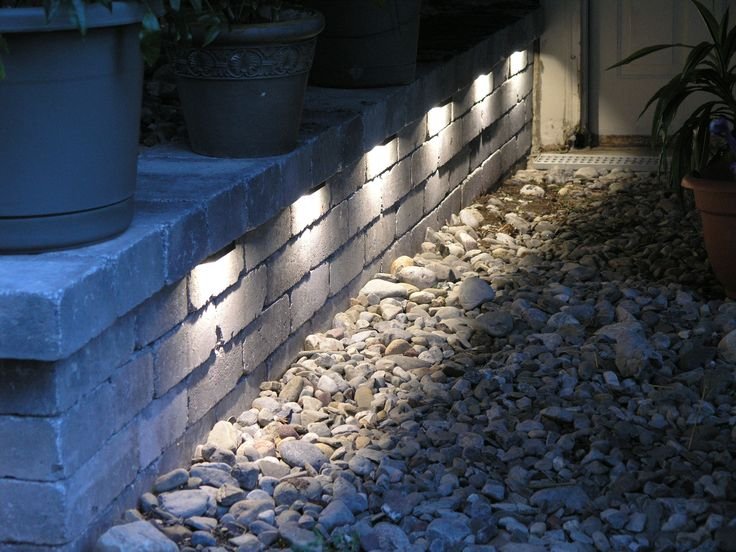
Choosing the right color temperature transforms a dark, awkward deck into a genuinely enjoyable outdoor living space. For the vast majority of residential decks, warm white lighting in the 2700K to 3000K range delivers the ambiance, comfort, and visual appeal homeowners are after. Bump slightly cooler — to 3000K or 3500K — where safety is critical, particularly on deck step lighting and stairways. Keep your color temperatures consistent across zones, always choose waterproof deck lights rated for outdoor use, and test your selection at night before committing to a full installation.
Whether you’re selecting deck railing lights, post cap lights, recessed fixtures, or a complete deck lighting kit, a clear understanding of color temperature is the foundation of a great outdoor lighting plan.
Ready to upgrade your deck? Explore our full range of outdoor deck lighting fixtures to find the perfect color temperature for your space.
When it comes to extending the life and livability of your outdoor area, few upgrades deliver more impact than thoughtful
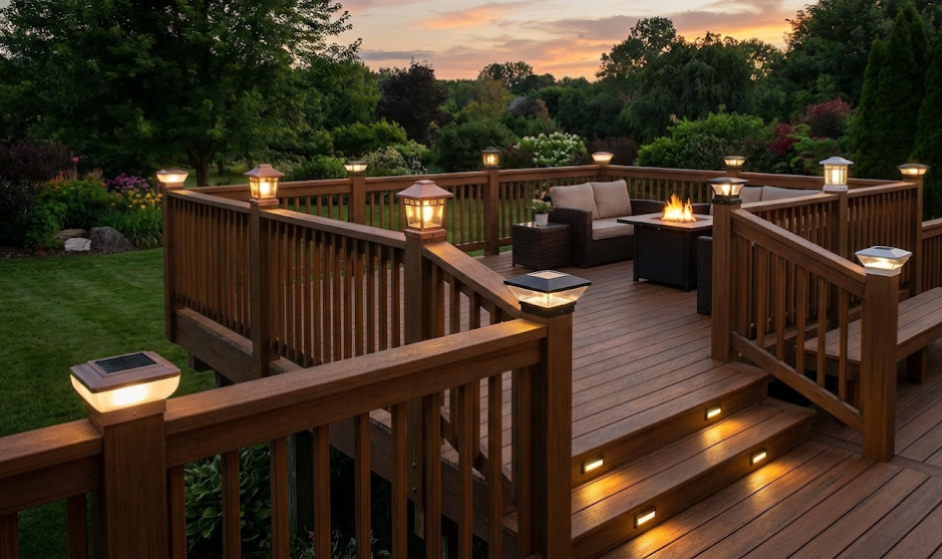
Why Post Cap Lights Deserve a Spot on Every Deck Most homeowners spend considerable time and money building or upgrading