- FREE Shipping on all orders! Limited time!
- support@tru-scapes.com

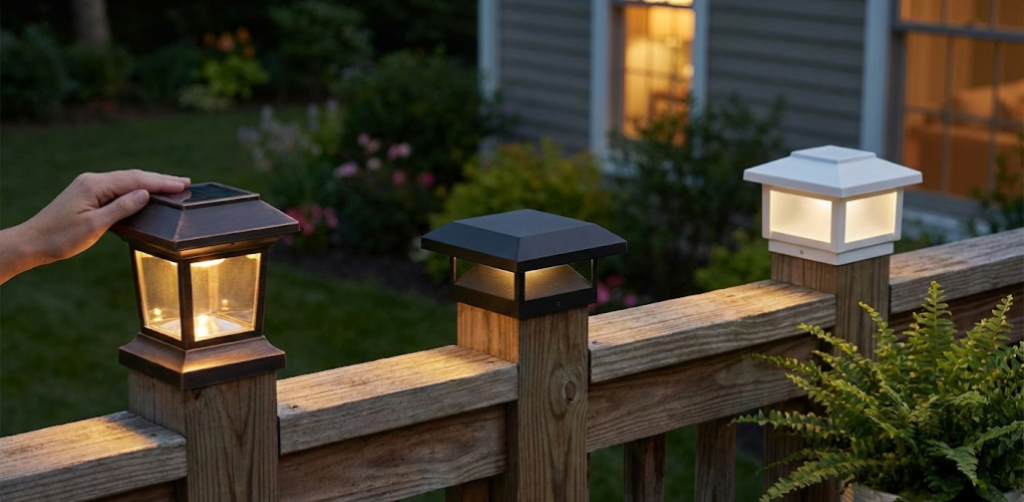
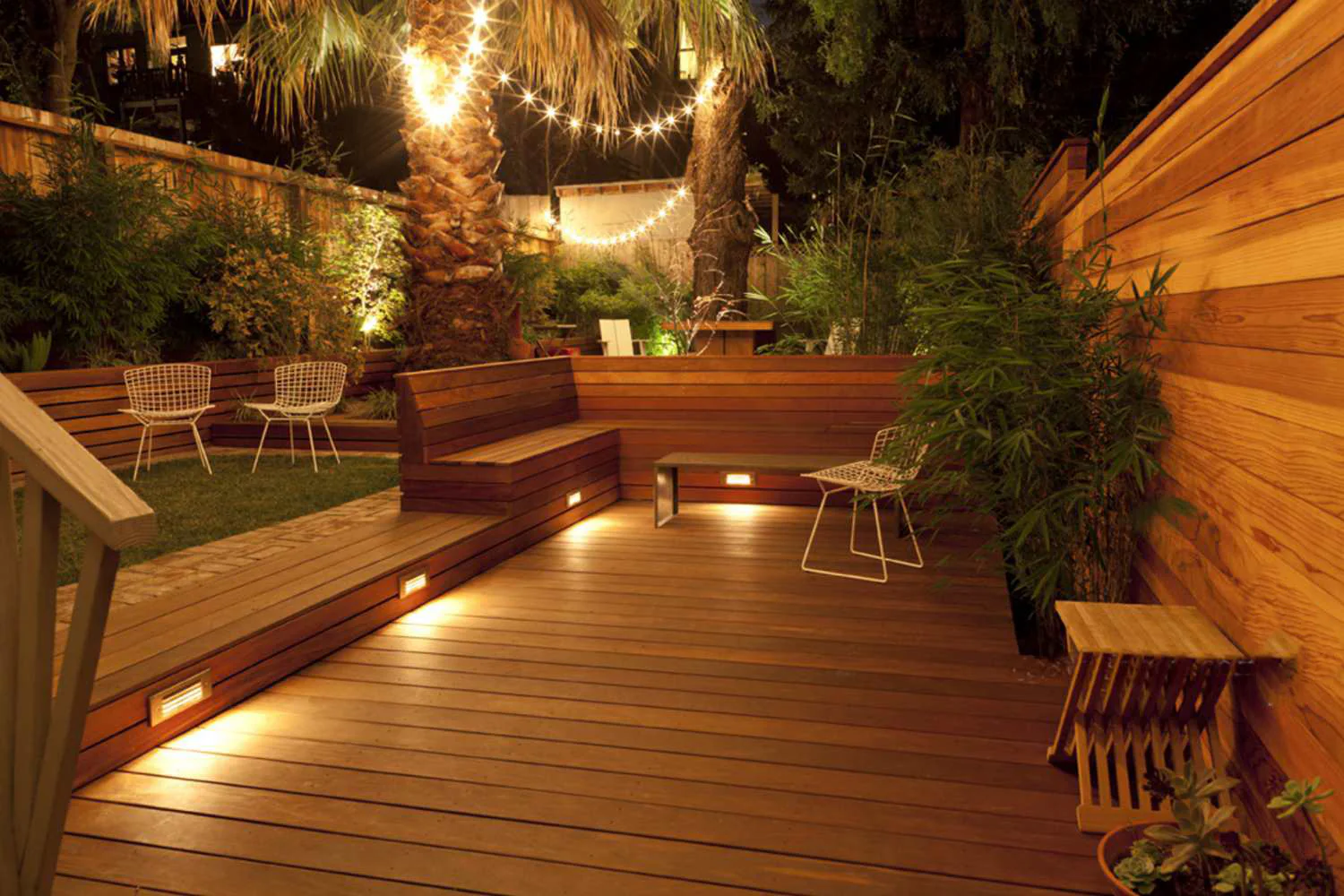
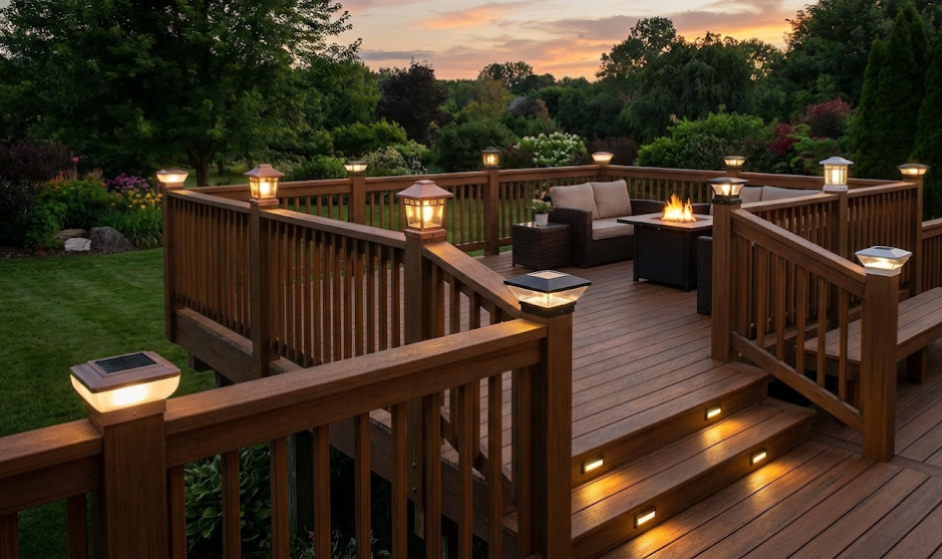
When the sun sets on your outdoor living space, the right lighting transforms your deck from a daytime gathering spot into an inviting evening retreat. Deck post cap lights serve a dual purpose: they guide family and guests safely along railings while adding architectural beauty to your outdoor design. Whether you’re planning a new deck or upgrading an existing structure, understanding the options, installation methods, and long-term considerations for deck post cap lights helps you make an informed decision that balances functionality, aesthetics, and budget.
This comprehensive guide walks you through everything you need to know about selecting, installing, and maintaining deck lighting fixtures that enhance your outdoor space for years to come.
• Deck post cap lights improve nighttime safety and create ambient outdoor atmosphere
• Solar-powered options eliminate wiring requirements and reduce energy costs
• LED deck post cap lights offer 25,000+ hour lifespans with minimal maintenance
• Proper sizing requires matching cap dimensions to your existing post width
• Waterproof ratings (IP65 or higher) ensure durability in harsh weather conditions
• Installation difficulty varies from simple solar caps to hardwired low-voltage systems
Deck post cap lights fit directly onto the top of deck posts, replacing standard caps with illuminated versions. These outdoor deck lighting fixtures come in several distinct categories, each with specific advantages.
Solar deck lights contain integrated photovoltaic cells that charge internal batteries during daylight hours. These units activate automatically at dusk, providing 6–8 hours of illumination on a full charge. Solar options eliminate electrical wiring entirely, making them ideal for DIY installation. However, performance depends on adequate sunlight exposure—decks with extensive tree cover may experience inconsistent lighting. For a detailed comparison of solar vs. electric options, see our guide on solar vs. electric deck lights.
Low-voltage deck lighting kits operate on 12-volt power supplied by a transformer connected to standard 120-volt household current. These systems deliver consistent, bright illumination regardless of weather conditions. LED technology provides superior energy efficiency compared to traditional incandescent bulbs, with typical power consumption of just 1–3 watts per fixture. Professional electricians often recommend low-voltage systems for comprehensive deck railing lights that integrate with other landscape lighting. Learn more about why low-voltage deck lighting is the smart choice.
Standard voltage (120-volt) fixtures offer the brightest output but require professional electrical installation and permitting in most jurisdictions. These waterproof deck lights work well for large entertainment decks where maximum visibility matters. The installation complexity and higher energy costs make AC-powered options less common for residential applications.
Quality post cap lights use weather-resistant materials designed for continuous outdoor exposure. Common construction materials include:
Copper and Brass: These metals develop an attractive patina over time while resisting corrosion. Premium fixtures feature solid construction rather than plated finishes that may deteriorate.
Stainless Steel: Marine-grade stainless steel (304 or 316) provides excellent corrosion resistance in coastal environments or areas with harsh winters.
Composite and Vinyl: Budget-friendly options that match synthetic deck materials. These caps resist fading but may become brittle after extended UV exposure.
Aluminum: Powder-coated aluminum offers a good balance between durability and cost, though the coating may scratch with impact.
For more on material selection and long-term performance, explore our guide to choosing weatherproof deck lights.
Measured in lumens, light output determines visibility and ambiance. For deck step lighting and general navigation, 10–20 lumens per fixture provides sufficient illumination without overwhelming glare. Entertainment areas benefit from brighter 30–50 lumen fixtures.
Color temperature, measured in Kelvins, affects mood and visibility. Warm white (2700–3000K) creates a cozy, inviting atmosphere similar to incandescent bulbs. Cool white (4000–5000K) provides crisper visibility but may feel harsh in residential settings. Many homeowners prefer warm tones for deck railing lights that complement evening gatherings. Dive deeper into your options with our full guide to deck lighting color choices.
The Ingress Protection (IP) rating indicates a fixture’s resistance to moisture and debris. For exposed deck locations, select fixtures with minimum IP65 ratings, which protect against powerful water jets and dust ingress. Coastal installations or areas with heavy precipitation benefit from IP67 or IP68 ratings, which allow submersion protection.
Quality waterproof deck lights include sealed battery compartments (for solar models) and gaskets around lens assemblies. Inferior sealing leads to moisture infiltration, causing premature LED failure and corrosion. Always verify IP ratings—this aligns with safety guidance from the U.S. Consumer Product Safety Commission.
Post caps must match your existing post dimensions. Standard sizes include:
| Post Size | Common Applications | Typical Cap Dimensions |
|---|---|---|
| 4×4 inches | Residential deck posts | 4.5 x 4.5 inches (exterior fit) |
| 5×5 inches | Larger deck posts | 5.5 x 5.5 inches |
| 6×6 inches | Heavy-duty applications | 6.5 x 6.5 inches |
| Round posts | Metal railings | Variable diameter options |
Measure your posts carefully—caps that are too small won’t install securely, while oversized caps create unsightly gaps and water entry points. For help choosing the right size and style for your deck or fence, see our guide on how to choose the right post cap lights.
Step 1: Remove existing post caps using a pry bar or screwdriver, working carefully to avoid damaging post tops.
Step 2: Clean the post surface, removing debris, old adhesive, or weathered wood.
Step 3: Apply a bead of outdoor construction adhesive around the post perimeter, leaving gaps for water drainage.
Step 4: Position the solar cap, ensuring the solar panel faces south (northern hemisphere) for optimal charging.
Step 5: Secure with screws if provided, drilling pilot holes to prevent wood splitting.
Step 6: Activate the light using the manufacturer’s switch (often located inside the battery compartment).
Step 1: Plan the wire run from transformer location to each post, keeping wire paths concealed beneath decking or along joists.
Step 2: Drill appropriate holes through post tops for wire passage, sealing with silicone after installation.
Step 3: Run low-voltage cable, allowing extra length at each fixture location for connections.
Step 4: Strip wire ends and connect to fixture terminals using waterproof wire connectors.
Step 5: Mount fixtures and test operation before finalizing installation.
Step 6: Set transformer timer and photocell if included, programming desired on/off times.
If you’re unfamiliar with electrical work, hire a licensed electrician. Low-voltage systems are safer than line voltage, but improper connections cause fixture failure and create fire hazards. For a complete walkthrough, check out our professional guide to wiring deck lighting like a pro.Deck Post Cap Lights vs. Alternative Deck Lighting Options
Understanding how post cap lights compare to other outdoor deck lighting choices helps create a comprehensive illumination plan.
| Feature | Post Cap Lights | Recessed Deck Lighting | Under Deck Lighting | Step Lighting |
|---|---|---|---|---|
| Installation Complexity | Low to Moderate | Moderate to High | High | Moderate |
| Visibility as Design Element | High | Low | Hidden | Moderate |
| Light Distribution | Ambient, downward | Downward, focused | Upward, ambient | Focused on steps |
| Retrofit Difficulty | Easy | Difficult | Difficult | Moderate |
| Maintenance Access | Easy | Difficult | Moderate | Easy |
| Cost per Fixture | $15–$150 | $20–$80 | $30–$100 | $25–$75 |
Many homeowners combine multiple lighting types. For example, post cap lights provide perimeter definition while recessed deck lighting illuminates walking surfaces and deck step lighting enhances stair safety. You can also explore creative ideas for under-deck lighting to maximize your space.
Deck post cap light pricing varies significantly based on power source, materials, and features.
Budget Tier ($15–$30 per fixture): Basic solar-powered units with plastic construction. Expect 1–2 year lifespan before battery replacement or full unit replacement becomes necessary.
Mid-Range ($30–$75 per fixture): Quality solar or low-voltage options with metal construction, better LED components, and longer warranties. These fixtures typically last 5–7 years with minimal maintenance.
Premium Tier ($75–$150+ per fixture): Copper, brass, or designer fixtures with superior weatherproofing, replaceable components, and lifetime warranties on housing. Professional installation adds $50–$150 per fixture for low-voltage systems.
For a typical deck with 20 posts, budget between $300–$3,000 for fixtures alone, depending on quality tier. Low-voltage deck lighting kits that include transformer, wire, and connectors cost $200–$500 additional. See a real-world example in our stunning deck lighting project breakdown.
• Enhanced Safety: Illuminated posts prevent collisions and falls during nighttime use
• Aesthetic Appeal: Creates architectural interest and defines deck boundaries visually
• Property Value: Quality outdoor lighting increases home appeal to potential buyers
• Low Maintenance: LED technology requires minimal upkeep compared to traditional bulbs
• Energy Efficiency: Solar and LED options consume minimal electricity
• Easy Installation: Solar models require no wiring or electrical expertise
• Solar Performance Limitations: Inconsistent output during cloudy periods or winter months
• Initial Cost: Quality fixtures represent significant upfront investment
• Replacement Complexity: Some designs integrate the LED, requiring complete unit replacement at end-of-life
• Design Constraints: Must match existing post dimensions and deck aesthetics
• Light Pollution: Improperly aimed fixtures may disturb neighbors or create unwanted glare
• Do verify post dimensions before purchasing to ensure proper fit
• Do position solar panels toward maximum sun exposure for optimal performance
• Do apply marine-grade silicone sealant around mounting points to prevent water infiltration
• Do install lights on all perimeter posts for consistent safety and aesthetics
• Do check local electrical codes before installing hardwired systems
• Don’t over-tighten mounting screws, which can crack plastic housings or split wood posts
• Don’t mix different fixture styles on the same deck unless creating intentional design zones
• Don’t install solar fixtures in heavily shaded areas where charging will be inadequate
• Don’t assume all “waterproof” ratings are equal—verify IP ratings for your climate
• Don’t forget to clean solar panels quarterly to maintain charging efficiency
A homeowner in suburban Cleveland wanted to extend evening use of their 400-square-foot deck but found their existing single floodlight created harsh shadows. After consulting with a lighting designer, they installed 16 solar post cap lights along the perimeter, supplemented with recessed deck lighting in the main walking path.
The post cap lights (warm white, 15 lumens each) provided ambient illumination that made the space feel larger and more inviting. Solar power eliminated wiring costs, reducing the project budget by approximately $800 compared to low-voltage alternatives. After two years of use, the homeowner reported only one fixture failure (covered under warranty) and significantly increased evening deck utilization from May through October.
This scenario demonstrates how deck post cap lights deliver practical value when matched appropriately to site conditions and user expectations. If you prioritize convenience and acceptable lighting performance over maximum brightness, solar options provide excellent value. If you require consistent, bright illumination for frequent entertaining or year-round use in variable climates, low-voltage LED systems justify their higher initial investment.
Monthly: Remove debris, leaves, and dirt from fixture tops and solar panels using a soft cloth.
Quarterly: Check mounting screws for tightness, as freeze-thaw cycles can loosen connections.
Annually: Inspect weatherproofing seals and replace if cracked. Test solar battery performance and replace batteries showing diminished runtime.
Dim or Flickering Light: Replace batteries in solar units. For LED systems, check wire connections for corrosion.
Lights Not Activating: Verify solar panels aren’t shaded or dirty. Test photocells by covering with tape—light should activate within seconds.
Water Inside Fixture: Reseal using clear silicone sealant. Dry internal components before reinstalling.
Inconsistent Performance: Solar fixtures may need relocation to sunnier positions. Low-voltage systems should have voltage tested at fixtures—significant drops indicate undersized wire.
How long do deck post cap lights typically last?
LED components last 25,000–50,000 hours (10–20 years of normal use), but solar batteries require replacement every 1–3 years. Quality fixtures with replaceable components offer the best long-term value.
Can I install deck post cap lights on vinyl or composite railings?
Yes, manufacturers produce models specifically designed for PVC and composite materials. Ensure you select caps sized for your specific railing system to maintain weatherproofing.
Do solar deck lights work in winter or cloudy climates?
Solar lights function in winter but provide reduced runtime (2–4 hours versus 6–8 hours). If you live in consistently cloudy regions, low-voltage systems deliver more reliable performance.
What’s the difference between warm white and cool white deck lighting?
Warm white (2700–3000K) produces amber-toned light similar to incandescent bulbs, creating cozy ambiance. Cool white (4000–5000K) appears bluish and provides crisper visibility but feels less inviting for residential settings.
How many lumens do I need for deck post cap lights?
For ambient lighting and navigation, 10–20 lumens per fixture is sufficient. Brighter fixtures (30–50 lumens) work well for areas requiring task lighting or enhanced security visibility.
Can I mix solar and low-voltage deck lights on the same deck?
Yes, combining both types is common. Many homeowners use solar for perimeter post caps and low-voltage for deck step lighting or recessed fixtures requiring consistent brightness.
Do deck post cap lights increase home value?
Quality outdoor lighting improves curb appeal and extends usable outdoor space, factors that positively influence buyer perception. Real estate professionals report that well-lit outdoor areas can contribute to faster sales. Learn more about the benefits of installing post cap lights.
How do I prevent post cap lights from blowing off in storms?
Secure caps with both adhesive and screws. Marine-grade construction adhesive combined with stainless steel screws provides resistance to high winds. Avoid caps that rely solely on friction fit.
What waterproof rating should I look for?
Minimum IP65 for most climates. Coastal areas or regions with heavy precipitation benefit from IP67 or IP68 ratings. Higher ratings ensure longer fixture lifespan.
Can I replace just the LED in a post cap light?
Some premium fixtures feature replaceable LED modules, but most integrate the LED permanently. Check manufacturer specifications before purchasing if component replacement matters to you.
Lumen: The unit measuring total visible light output from a source. Higher lumens indicate brighter light, with deck post cap lights typically ranging from 5 to 50 lumens per fixture.
IP Rating (Ingress Protection): A two-digit code indicating protection against solid particles and liquids. The first digit represents dust protection (0–6), while the second indicates water resistance (0–8).
Color Temperature: Measured in Kelvins (K), this describes the hue of white light. Lower values (2700K) appear warm and yellow, while higher values (5000K+) appear cool and blue.
Photocell: An automatic light sensor that activates fixtures at dusk and deactivates at dawn, eliminating manual switching and conserving energy during daylight hours.
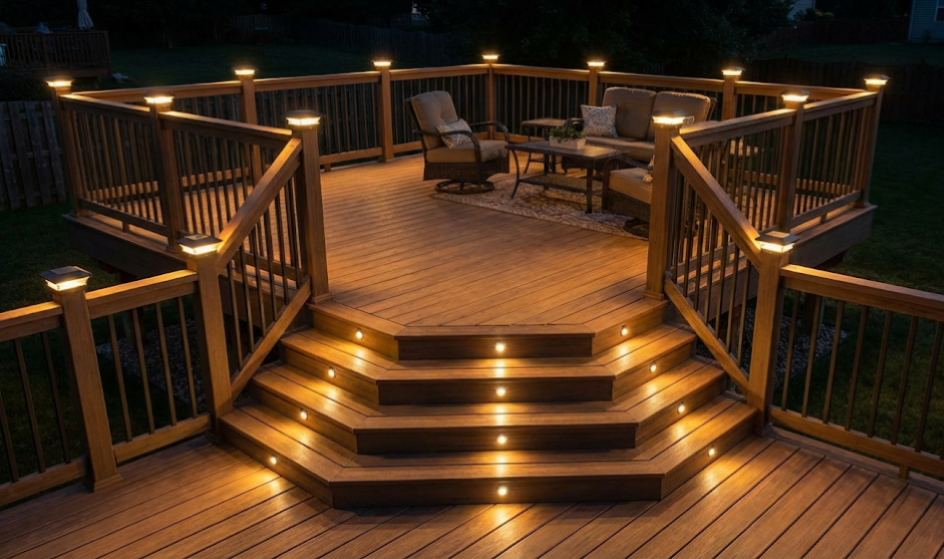
Deck post cap lights represent one of the most effective upgrades for extending outdoor living space functionality while enhancing architectural appeal. Whether you choose the convenience of solar-powered fixtures or the consistent performance of low-voltage LED systems, proper selection based on your specific needs ensures years of reliable service. By considering factors like weatherproofing ratings, material durability, light output, and installation requirements, you can create a deck lighting system that balances safety, aesthetics, and budget.
The investment in quality deck lighting fixtures pays dividends through increased property value, enhanced safety, and expanded usable hours for your outdoor space. Start your project by accurately measuring your posts, determining your primary lighting goals, and selecting fixtures that match both your deck’s architectural style and your performance expectations.
Ready to illuminate your deck? Measure your posts today and explore the wide range of deck post cap lights available to transform your outdoor space into a welcoming evening retreat.
For additional guidance on energy-efficient lighting choices, refer to the U.S. Department of Energy’s LED lighting guide. For safety best practices in outdoor electrical installations, consult UL Solutions’ outdoor lighting safety tips.
Low voltage deck lighting kits are one of the most rewarding home improvement projects a homeowner can tackle. They turn
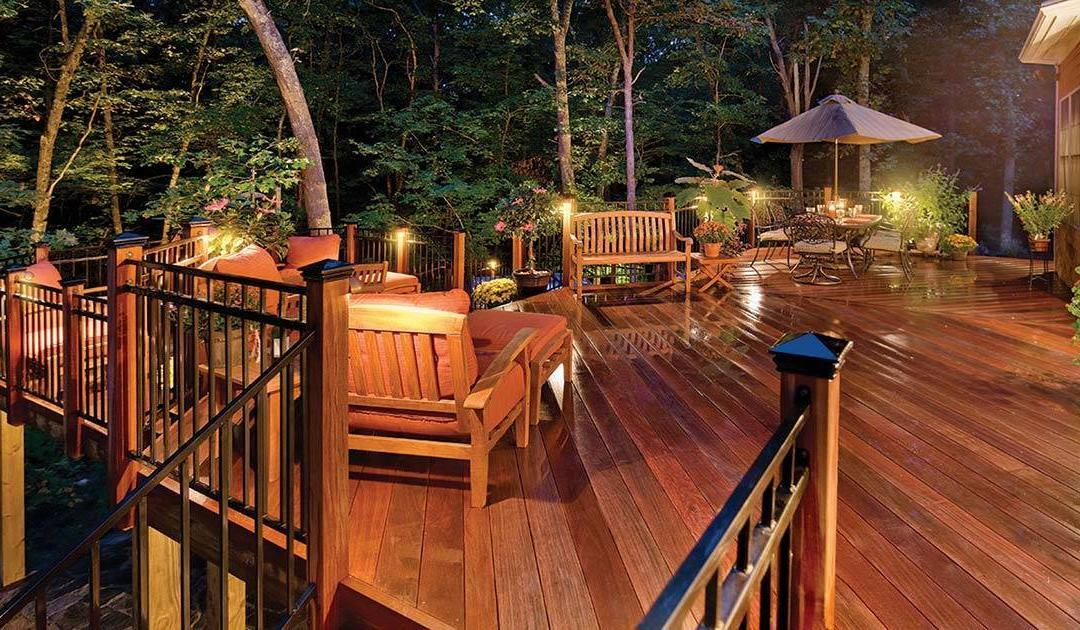
Outdoor deck lighting is one of the highest-impact upgrades any homeowner can make. The best deck lighting fixtures do more