- FREE Shipping on all orders! Limited time!
- support@tru-scapes.com

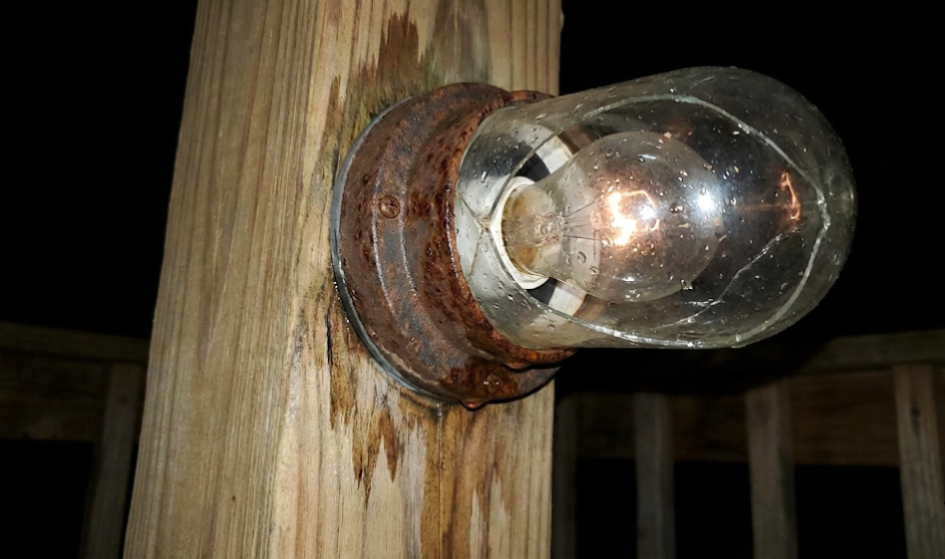
Your deck should be a welcoming extension of your home, but poor lighting choices can transform it from an inviting retreat into a safety hazard or maintenance nightmare. Whether you’re installing new outdoor deck lighting or upgrading an existing system, understanding common pitfalls saves money, enhances safety, and creates the perfect atmosphere for evening gatherings.
Many homeowners rush into deck lighting projects without considering critical factors like waterproofing, placement strategy, or electrical requirements. The result? Flickering lights, dark spots on stairs, corroded fixtures, and an overall disappointing return on investment. This comprehensive guide reveals the ten most frequent deck lighting mistakes and provides actionable solutions to help you achieve professional-quality results.
Essential Insights on Deck Lighting Mistakes
• Poor fixture placement creates shadows and safety hazards on steps and railings
• Selecting non-waterproof deck lights leads to frequent replacements and electrical issues
• Overlighting or underlighting disrupts ambiance and wastes energy
• Ignoring proper voltage systems increases installation costs and maintenance
• Mixing incompatible fixture styles creates visual chaos in outdoor deck lighting
• Skipping professional installation for complex systems risks code violations
Outdoor environments expose lighting to rain, snow, humidity, and temperature extremes. Choosing fixtures without proper IP (Ingress Protection) ratings guarantees premature failure.
The Problem: Standard indoor fixtures corrode within months when exposed to moisture. Water infiltration damages electrical components, creates fire hazards, and voids warranties.
The Solution: Always select waterproof deck lights with minimum IP65 ratings for deck surfaces and IP67 for areas with direct water exposure. Look for fixtures specifically labeled for outdoor use with corrosion-resistant materials like stainless steel, powder-coated aluminum, or marine-grade composites. For more guidance on selecting durable fixtures, see our detailed guide on choosing weatherproof deck lights.
Do’s and Don’ts:
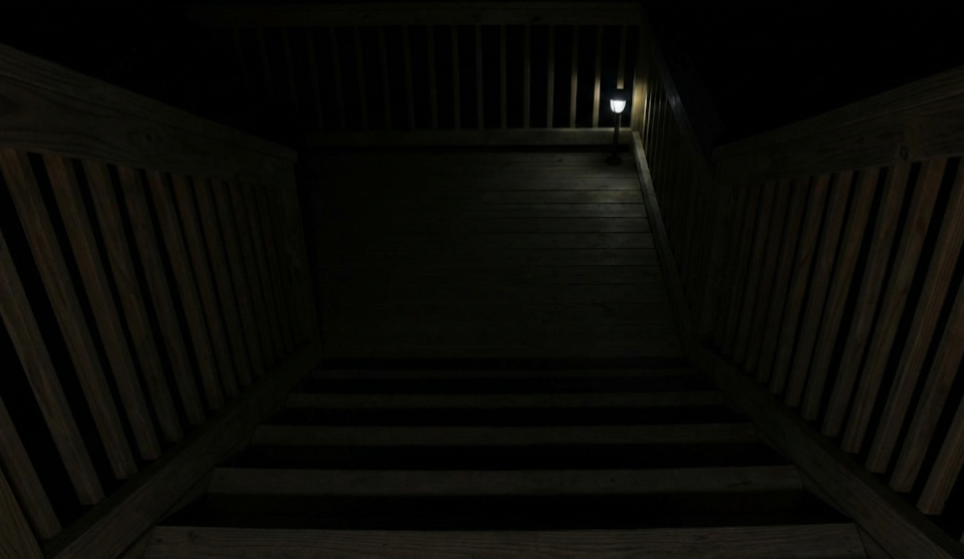
According to the National Safety Council, inadequate stairway lighting contributes significantly to home falls. Deck stairs present particular risks due to uneven treads and outdoor conditions.
The Problem: Dark steps become invisible hazards after sunset, especially for guests unfamiliar with your deck layout. Many homeowners add deck step lighting as an afterthought rather than a primary safety feature.
The Solution: Install dedicated lighting on every step or every other step at minimum. Position deck step lighting along the riser (vertical surface) or under the tread nosing (front edge) to clearly define each level without creating glare. Explore proven strategies in our guide to stair lights for decks.
| Step Lighting Method | Visibility | Installation Difficulty | Best For |
|---|---|---|---|
| Riser-mounted LEDs | Excellent | Moderate | New construction |
| Under-tread strips | Very Good | Difficult (retrofit) | Existing decks |
| Post-mounted spotlights | Good | Easy | Budget installations |
| Solar step lights | Fair to Good | Very Easy | Areas without power |
If you have a single-step transition, use dual fixtures to ensure adequate coverage. For longer staircases, consider dimmer-controlled systems that adjust brightness based on ambient light conditions.
Strategic placement determines whether your deck lighting enhances or detracts from usability and aesthetics.
The Problem: Randomly positioned fixtures create dark pockets, harsh shadows on faces during conversations, and uneven illumination that makes the space feel disjointed.
The Solution: Follow the lighting layer principle—combine ambient (general), task (functional), and accent (decorative) lighting. Space recessed deck lighting fixtures 4-6 feet apart for uniform coverage. Position deck railing lights on alternating posts rather than every post to avoid visual repetition.
Conditional Reasoning:
Deck lighting operates on three voltage levels: line voltage (120V), low voltage (12V), and solar. Each has distinct advantages and limitations.
The Problem: Homeowners often select systems based solely on initial cost without considering long-term implications for safety, flexibility, and performance.
Pros and Cons Comparison:
Line Voltage (120V)
Low Voltage (12V)
Solar-Powered
The Solution: For most residential decks, low-voltage LED systems offer the best balance of safety, performance, and cost. Learn why in our full breakdown of the benefits of low-voltage deck lighting. Reserve line voltage for large commercial applications. Use solar selectively for accent lighting or areas where electrical access is impractical.
The space beneath elevated decks often becomes unusable dead zones without proper illumination.
The Problem: Homeowners focus exclusively on deck surface lighting, leaving valuable storage or entertainment space beneath dark and uninviting.
The Solution: Install under deck lighting to transform this area into functional space. Use indirect lighting techniques—mount LED strips or rope lights along joists to create ambient glow without harsh downlighting. Waterproof fixtures remain essential since moisture accumulates in these enclosed areas. Get inspired with creative under-deck lighting ideas.
If you plan to use the under-deck area for storage, position task lighting near shelving or access points. If you envision an outdoor living room, incorporate dimmable ambient lighting with weatherproof controls.
Light color dramatically affects ambiance, with measurements ranging from warm (2700K–3000K) to cool (5000K–6500K) on the Kelvin scale.
The Problem: Mixing bulbs with different color temperatures creates a disjointed, unprofessional appearance. A 3000K warm white deck post cap light next to a 6000K cool white railing fixture produces jarring visual discord.
The Solution: Select a single color temperature for all fixtures in your outdoor deck lighting scheme. Warm white (2700K–3000K) creates cozy, inviting atmospheres ideal for residential entertainment spaces. Neutral white (3500K–4100K) works well for task-oriented areas requiring clarity without harshness. Dive deeper into your options with our guide to deck lighting color options.
Real-World Example (Hypothetical): A homeowner installed deck lighting kits with pre-selected fixtures at 3000K for ambient lighting, then added separate 5000K security spotlights near stairs. The result appeared institutional rather than welcoming. After replacing security lights with 3000K alternatives, the space achieved visual harmony while maintaining safety.
Balance determines success in outdoor lighting design.
The Problem: Overlighting creates glare, light pollution affecting neighbors, and unnecessarily high energy costs. Underlighting produces safety hazards and limits deck usability after dark.
The Solution: Calculate appropriate lumens (brightness measurement) for each area:
Use dimmer switches or smart controls to adjust brightness based on activity. The U.S. Department of Energy recommends fully shielded fixtures that direct light downward, minimizing sky glow and light trespass.
Deck lighting fixtures eventually require bulb replacement, cleaning, or repair.
The Problem: Permanently mounted or hard-to-reach fixtures make routine maintenance impractical, leading to non-functioning lights that homeowners simply ignore rather than repair.
The Solution: During installation planning, ensure all fixtures remain accessible without requiring deck disassembly. Choose recessed deck lighting with removable trim rings, deck post cap lights with hinged or lift-off designs, and deck railing lights mounted with removable fasteners rather than permanent adhesives.
Consider LED fixtures with 50,000+ hour lifespans to minimize replacement frequency. When maintenance becomes necessary, quick access prevents deferred repairs that compromise safety.
Visual consistency elevates design from amateur to professional.
The Problem: Bargain shopping across multiple manufacturers results in clashing styles—modern square fixtures beside traditional lanterns, mixed metallic finishes (bronze, nickel, black), and inconsistent sizing that appears random rather than intentional.
The Solution: Select deck lighting fixtures from coordinated collections or establish clear design parameters before purchasing:
If you need various fixture types (deck post cap lights, step lights, railing fixtures), prioritize visual family resemblance over exact matching. A unified finish often provides sufficient cohesion even when shapes differ by function.
While many deck lighting projects suit capable DIYers, electrical work carries serious consequences when done incorrectly.
The Problem: Homeowners attempt complex electrical installations without understanding code requirements, load calculations, or waterproof connection techniques. The result includes fire hazards, electrical shock risks, failed inspections, and voided homeowner’s insurance.
The Solution: Know your limits. Low-voltage systems under 30 volts with plug-in transformers typically qualify as safe DIY projects. Any work involving line voltage electrical, permanent wiring connections, or circuit additions should involve licensed electricians familiar with the National Electrical Code (NEC) and local amendments.
Research indicates that professional installation typically costs 30–50% of total project budgets but ensures code compliance, optimal performance, and transferable warranties. If you need extensive wiring for recessed deck lighting or complex controls, the investment protects your safety and property value. For a step-by-step walkthrough of proper wiring technique, see our guide on how to wire deck lighting like a pro.
Different areas require specialized lighting approaches:
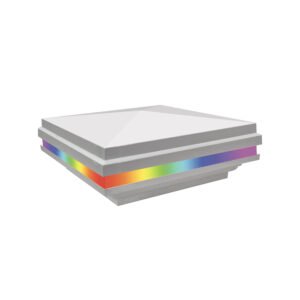
Deck Post Cap Lights: Install on railing posts to provide ambient boundary definition and decorative accents. Available in solar and low-voltage options, these fixtures mark deck perimeters while adding architectural interest. Learn more about their functional benefits in our article on deck post lights.
Deck Railing Lights: Mount directly on horizontal or vertical railing components to combine safety illumination with design enhancement. Side-mounting prevents water accumulation on top surfaces.
Recessed Deck Lighting: Flush-mount fixtures integrate into deck boards, stairs, or fascia for clean, unobtrusive lighting. Require cutting precise holes during installation—measure carefully to avoid structural joists. Explore sleek design possibilities in our guide to recessed deck lighting.
Deck Lighting Kits: Pre-coordinated systems include transformers, fixtures, and wiring for simplified installation. Ideal for first-time projects, though individual component selection offers greater customization.
Q: How many lumens do I need for deck lighting?
A: General deck surfaces need 5–10 lumens per square foot, while dining areas require 10–20 lumens per square foot. Task areas like cooking spaces need 30–50 lumens per square foot for adequate visibility.
Q: Should deck lights be warm or cool white?
A: Warm white (2700K–3000K) creates inviting, comfortable ambiance ideal for residential outdoor spaces. Cool white works better for security or task-specific applications requiring maximum clarity.
Q: Can I install deck lighting myself?
A: Low-voltage systems (12V) are generally DIY-friendly with basic electrical knowledge. Line-voltage installations (120V) require licensed electricians to ensure code compliance and safety.
Q: What’s the best waterproof rating for deck lights?
A: Choose fixtures rated IP65 minimum for general deck use and IP67 for areas with direct water exposure. Higher ratings provide better protection against moisture damage.
Q: How far apart should recessed deck lights be spaced?
A: Space recessed fixtures 4–6 feet apart for uniform ambient lighting. Reduce spacing to 3–4 feet along stairs and pathways where safety visibility is critical.
Q: Do solar deck lights work well?
A: Solar lights work adequately for accent lighting in sunny locations but lack brightness and consistency for primary illumination. They’re best used as supplementary lighting rather than main sources.
Q: How long do LED deck lights last?
A: Quality LED fixtures typically last 50,000+ hours—approximately 15–20 years with average usage. This longevity significantly reduces maintenance compared to incandescent or halogen alternatives.
Q: What causes deck lights to flicker?
A: Flickering usually indicates loose connections, voltage drops in low-voltage systems, incompatible dimmers, or failing transformers. Check all connection points and ensure proper wire gauge for circuit length.
Q: Should I use dimmers with deck lighting?
A: Dimmers add versatility by allowing brightness adjustment for different activities and moods. Ensure compatibility between dimmer switches and LED fixtures to prevent buzzing or flickering.
Q: How much does professional deck lighting installation cost?
A: Professional installation typically ranges from 30–50% of total project costs, varying based on system complexity, local labor rates, and accessibility. Simple low-voltage systems may add several hundred dollars, while elaborate line-voltage designs can reach thousands.
IP Rating: Ingress Protection rating indicates fixture resistance to solid objects and liquids using two digits (e.g., IP65). The first digit rates solid particle protection (0–6), while the second rates liquid protection (0–8).
Lumens: The measurement of total visible light output from a source. Higher lumen values indicate brighter lights, with typical deck applications ranging from 50–200 lumens per fixture depending on purpose.
Color Temperature: Measured in Kelvin (K), this describes light appearance from warm yellow/orange (2700K) to cool blue-white (6500K). Residential outdoor spaces typically use 2700K–3000K for comfortable ambiance.
Voltage Drop: The reduction in electrical potential that occurs as current travels through wire over distance. Low-voltage systems experience significant voltage drop, requiring larger wire gauges or shorter runs to maintain brightness.
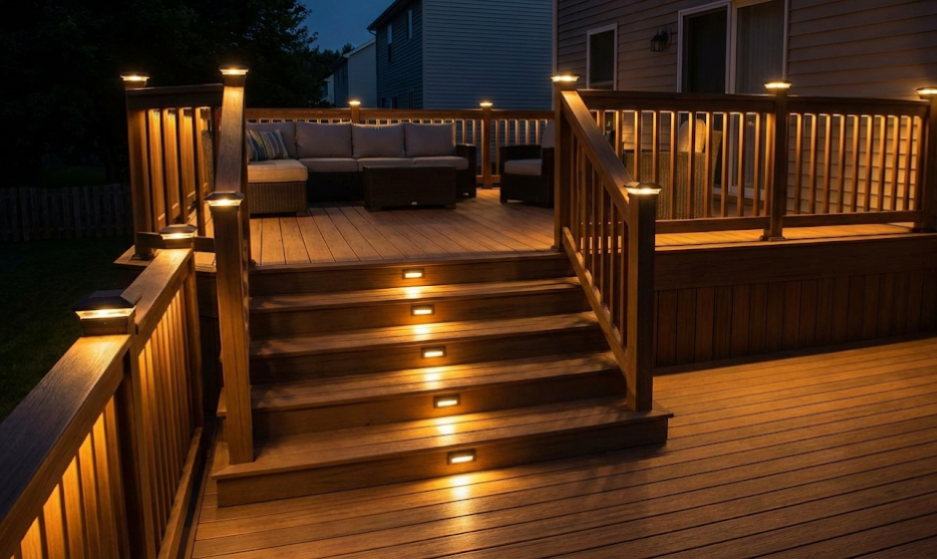
Avoiding these common deck lighting mistakes transforms your outdoor space from merely functional to truly exceptional. By prioritizing waterproof fixtures, strategic placement, consistent design, and proper electrical planning, you create safe, beautiful environments that extend your home’s living area well into evening hours.
Remember that quality outdoor deck lighting represents an investment in both safety and property value. Take time to plan comprehensively, select appropriate components, and—when necessary—engage qualified professionals for complex installations.
Ready to upgrade your deck lighting? Start by auditing your current setup against these ten mistakes, then prioritize improvements based on safety first, followed by aesthetic enhancements. Your deck’s potential awaits—illuminate it properly.
Color-changing outdoor lights have a reputation problem. Done poorly, they turn a beautiful backyard into something that looks like a
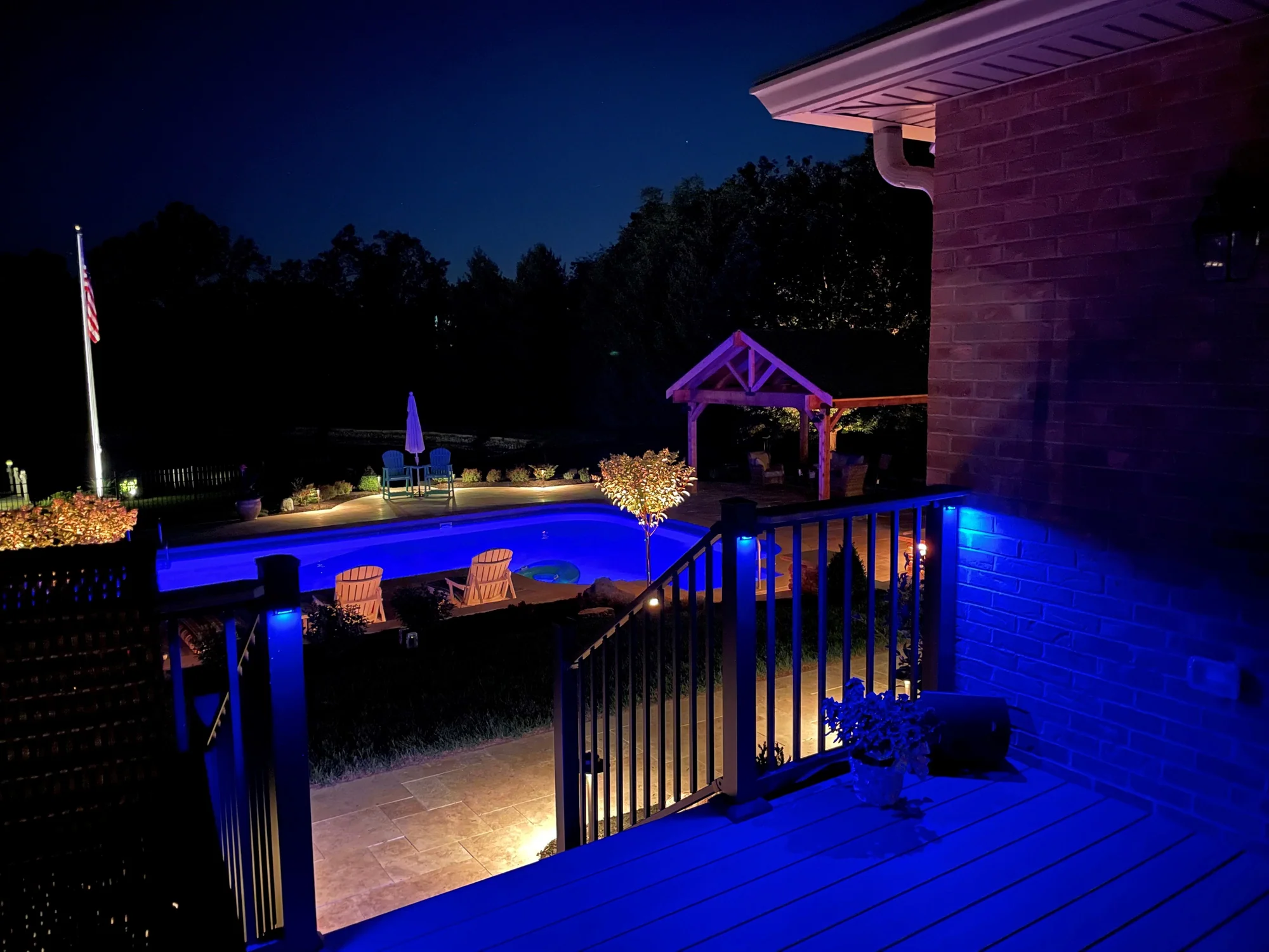
Outdoor spaces have quietly become the heart of the American home, and color-changing deck lights are leading the shift from