- FREE Shipping on all orders! Limited time!
- support@tru-scapes.com


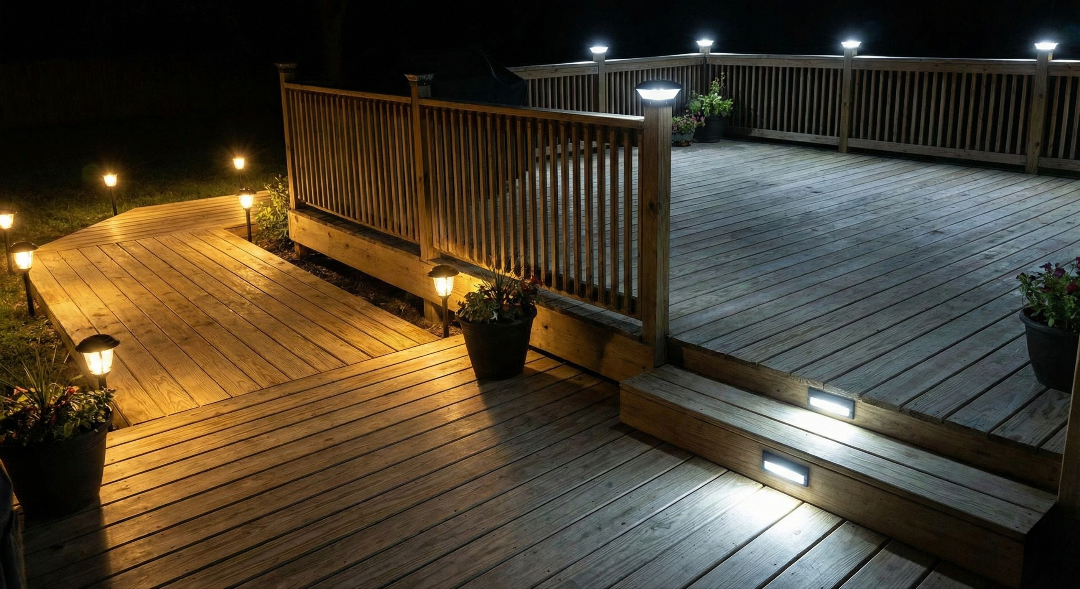
Your deck is the heart of your backyard. By day, it’s alive with colorful flowers in planters, comfortable seating, and the promise of relaxation. But what happens when the sun goes down? For many, that beautiful space and all those carefully chosen plants simply fade to black, or worse, become a shadowy tripping hazard.
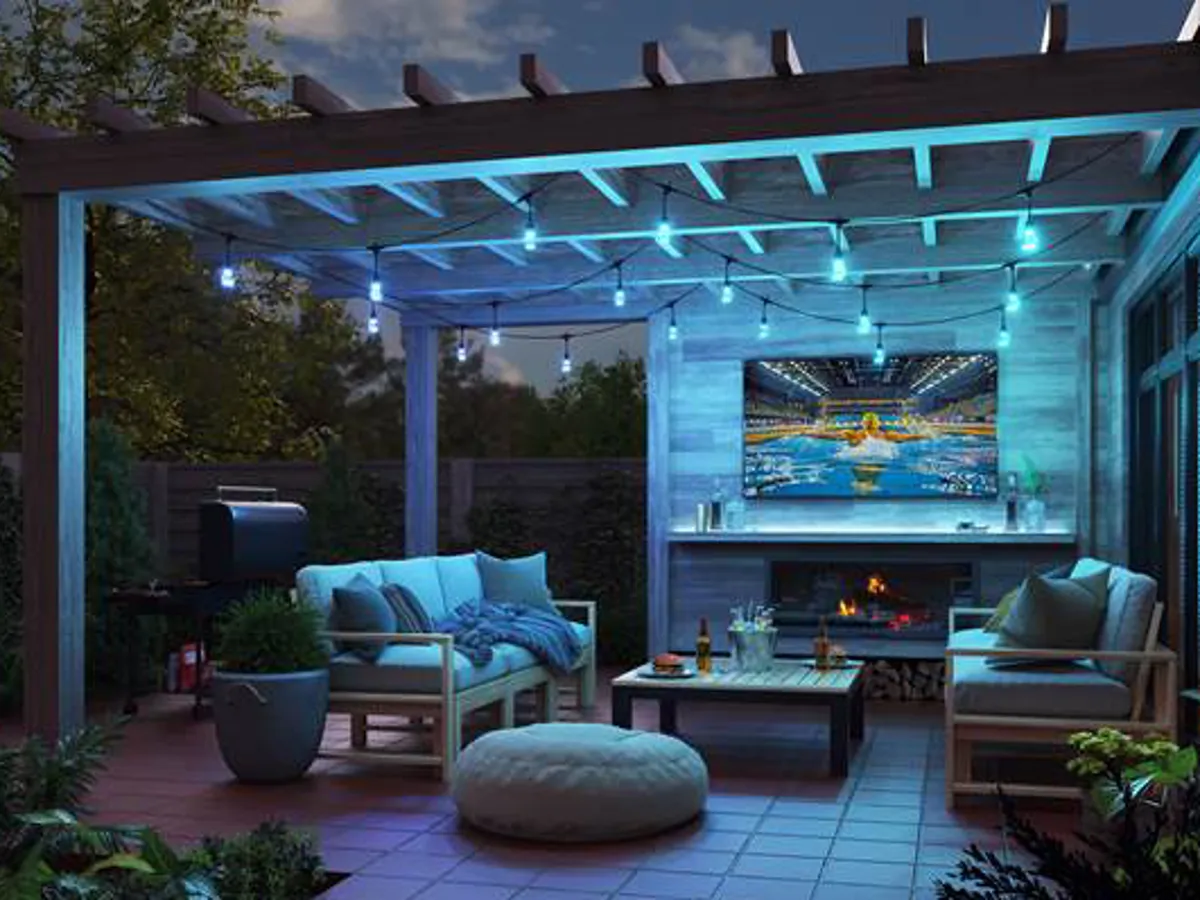
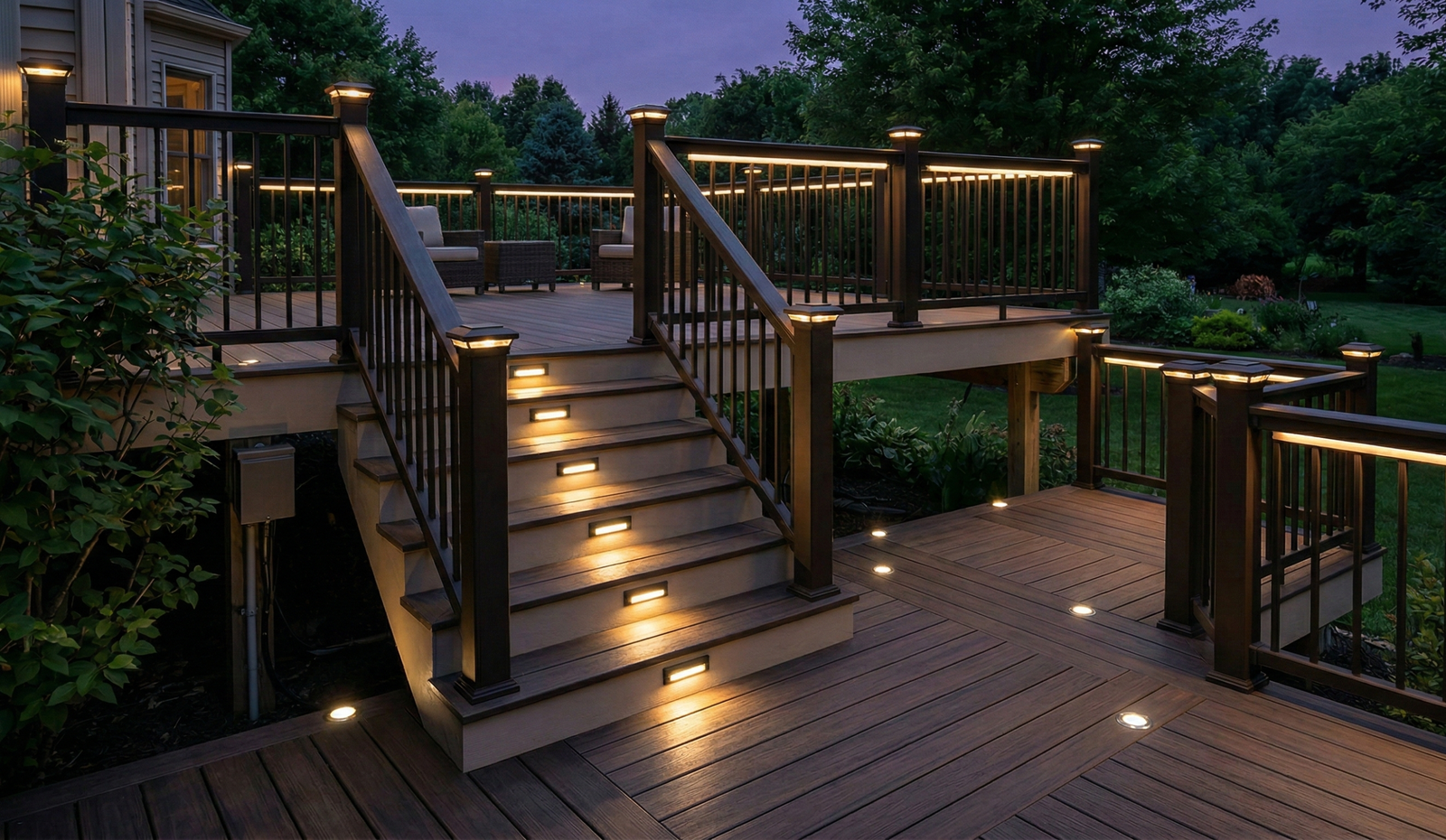
Here’s the simple truth: your deck’s potential doesn’t end at sunset. The secret to transforming it into a true 24-hour oasis lies in smart, layered illumination.
By combining deck lights with planters for stunning effects, you can create a space that feels magical, safe, and welcoming long after dark. This guide will show you how to blend light and greenery like a professional, focusing on high-quality, low-voltage options that provide lasting beauty.
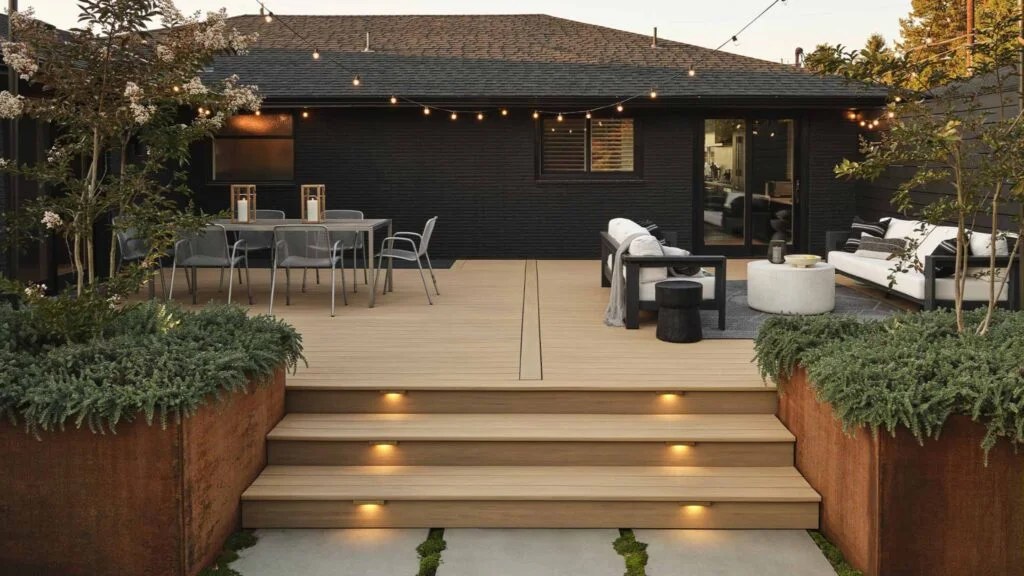
Integrating lighting with your planters isn’t just about visibility. It’s a design strategy that pays off in several key ways.
This is the “wow” factor. Instead of a few harsh floodlights, picture soft pools of light that wash across your deck, highlighting the textures of your planters and the foliage within them. You can create a warm, inviting glow for a quiet evening or a sophisticated, dramatic look for entertaining.
Planters, especially large ones or clusters of small pots, can become obstacles in the dark. Properly lighting them defines the edges of your deck, illuminates steps near planter boxes, and guides guests safely through your outdoor living area. This is a core principle of safe and functional deck design.
Lighted planters can act as beautiful, functional boundaries. Use them to mark the corners of a seating area, line a walkway, or create the feel of a “living wall” along the edge of your deck. This technique gives your deck structure and makes it feel more like an intentional outdoor room. This is a core principle of safe and functional deck design.
You spent time and money choosing those beautiful plants. Why let them disappear at night? The right lighting technique can make them focal points. A spotlight can turn a Japanese maple into a living sculpture, while a soft downlight can make a hanging basket full of petunias glow.
To achieve these stunning effects, you need the right tools. While there are many options on the market, professionals consistently choose one type for its safety, efficiency, and quality.
We are not talking about dim, unreliable battery-powered lights. A professional-grade, low-voltage (12V) LED system is the industry standard for high-end deck and landscape lighting.
One of the most elegant ways to combine deck lights with planters is to make them part of the same system. Instead of just placing a pot near a post light, you can physically integrate them.
This is where innovative design meets function. At Tru-Scapes, we offer Tru-Post Planter Baskets designed specifically for this purpose. These durable, powder-coated steel baskets attach directly to your deck posts.
This system is brilliant because it’s designed to work perfectly with post cap lighting. You can have a Tru-Post Post Cap Light on top of the post, casting a beautiful, functional light directly down onto the flowers or vines in the Tru-Post Planter Basket attached just below it.
This approach gives you:
Alt text: A black metal Tru-Post Planter Basket accessory holding flowers, attached to a deck post just below a glowing Tru-Scapes post cap light.
You have the lights. You have the planters. Now, let’s create the magic. The technique you choose will depend on the plant, the planter, and the effect you want.
| Technique | Best For | Fixture Used | Desired Effect |
| Uplighting | Tall, structural plants | Small spotlight (in pot) | Drama, shadows, focal point |
| Downlighting | Low, colorful, or cascading plants | Post cap light, rail light | Soft ambiance, color-richness |
| Silhouetting | Plants with unique shapes | Spotlight (behind pot) | Artistic, high-design, shape |
| Grazing | Textured planters (concrete, rustic) | Surface light, spotlight (beside pot) | Texture, depth, detail |
Here are answers to a few common questions to help you get started.
Absolutely, as long as you use a low-voltage (12V) system. This is a key reason professionals insist on it. The 12-volt current is not a shock hazard, even when damp.
Pro Tip: When placing a light inside a pot, use direct-burial grade wire. Leave a “service loop”—an extra foot or two of wire coiled at the bottom of the pot, below the soil—before running it out the drainage hole. This gives you slack to move the pot or replant without disconnecting the fixture.
Look for plants with interesting structures.
For more details on container gardening basics, university extension programs are a great resource.
Yes, and color-changing lights are a fantastic way to customize your space. Modern LED systems (like Tru-Scapes’ Color Changing line) allow you to adjust the color from your phone.
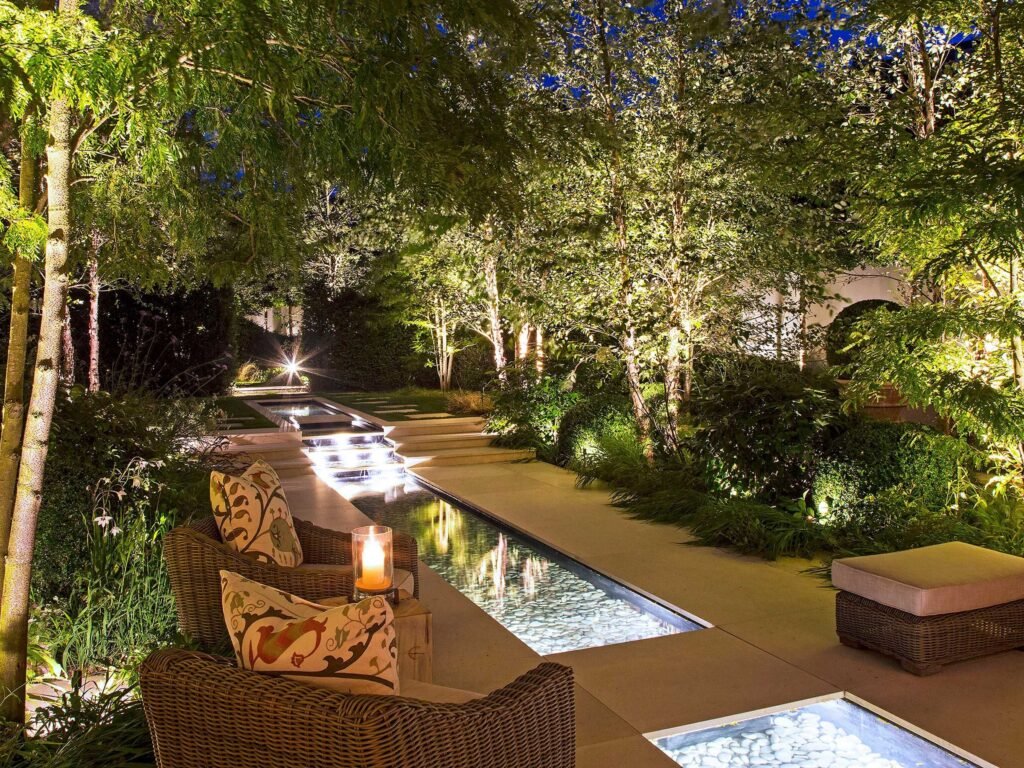
Don’t let your beautiful deck and planters fade away when the sun sets. By thoughtfully combining deck lights with planters for stunning effects, you can unlock your space’s full potential.
This approach is about more than just light; it’s about creating a mood, ensuring safety, and highlighting the beauty you’ve already cultivated. Whether you’re uplighting a single specimen tree, washing a wall of planters with a soft downlight, or using an integrated system like a post-mounted planter, the right low-voltage lighting makes all the difference.
What’s your favorite way to light your deck planters? Do you have a question we didn’t answer? Share your ideas in the comments below or browse our full collection of professional-grade, low-voltage deck lights to start your own transformation.
Upgrading your outdoor space doesn’t have to mean hiring an electrician or tearing up your deck boards to run conduit.
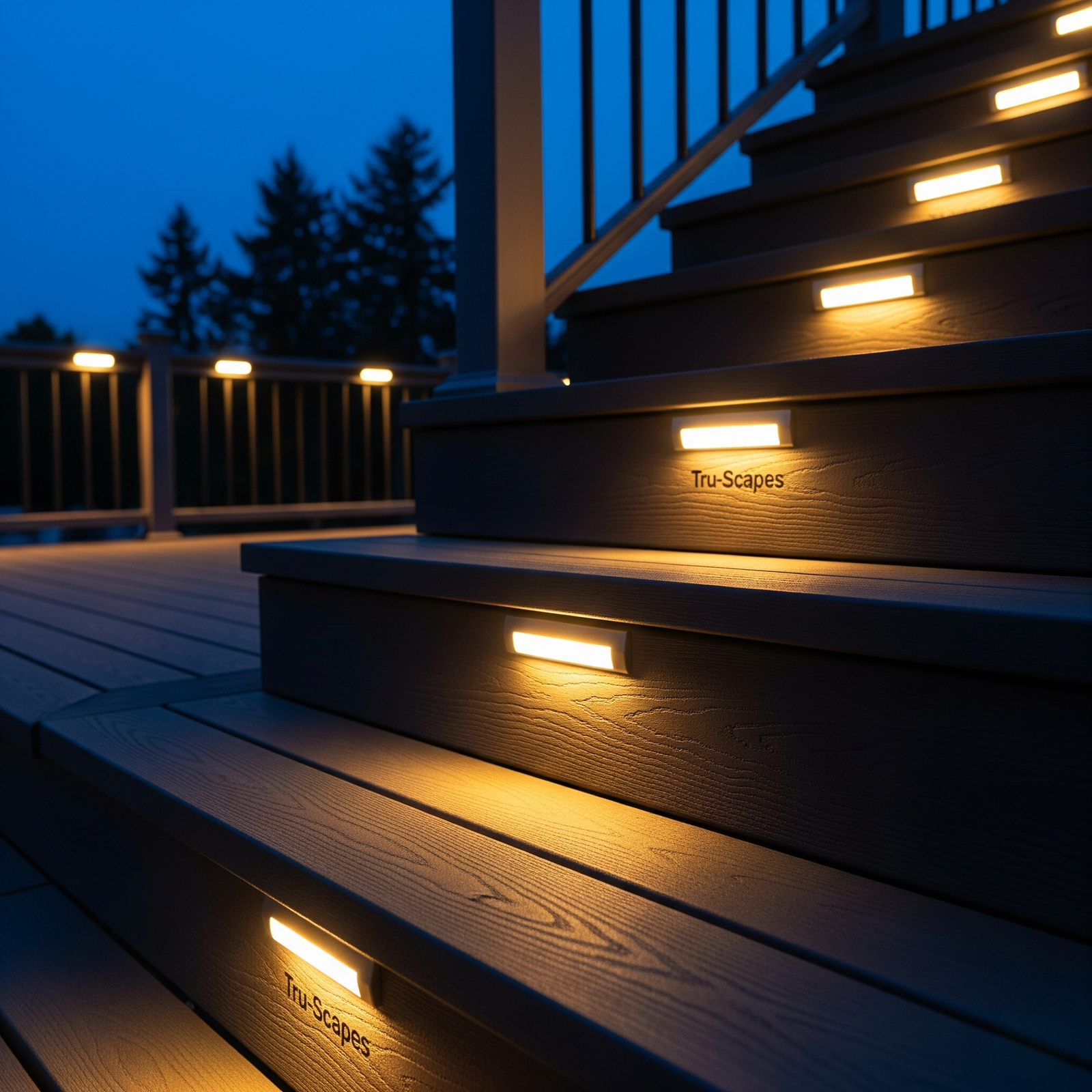
The short answer is: it depends. Deck lighting has come a long way. Today you can buy plug-and-play solar deck