- FREE Shipping on all orders! Limited time!
- support@tru-scapes.com

The short answer is: it depends. Deck lighting has come a long way. Today you can buy plug-and-play solar deck post cap lights, low-voltage LED kits, and wireless recessed deck lighting that almost anyone can install on a weekend. But the moment you need a new dedicated circuit, in-wall wiring, or anything connected to your home’s main breaker panel, the job shifts into licensed-electrician territory.
This guide breaks down exactly when you can safely DIY your outdoor deck lighting — and when skipping the electrician for deck lights is a mistake that could cost you far more than the service call.
- Hiring an electrician for deck lights is required when 120V wiring or a new circuit is involved.
- Low-voltage deck lighting kits (12V) can often be installed without a licensed electrician.
- Solar-powered deck lights require no wiring and are the easiest DIY option.
- Deck railing lights, deck step lighting, and post cap lights vary widely in complexity.
- Permits may be required even for simple outdoor electrical work — check local codes first.
- Improper outdoor wiring is a leading cause of residential electrical fires; when in doubt, hire a pro. For more on preventing hazards, review these outdoor electrical safety guidelines.
Before you decide whether to pick up a screwdriver or a phone, you need to understand how your deck lights will be powered.
120V line voltage is the same power that runs your outlets, appliances, and indoor light fixtures. Installing fixtures on this circuit outdoors requires weatherproof junction boxes, GFCI protection, conduit in many cases, and almost always a permit. This is the type of work the National Electrical Code (NEC) regulates, and most jurisdictions require a licensed electrician to perform or inspect it.
12V low voltage systems use a transformer that plugs into a standard outdoor outlet, then steps the power down to a safe, low level. These systems power the majority of deck lighting kits sold at home improvement stores. The wiring is thin, the voltage is non-lethal, and installation is genuinely approachable for most homeowners. If you are unsure about power requirements, consult our comprehensive guide to outdoor lighting transformers.
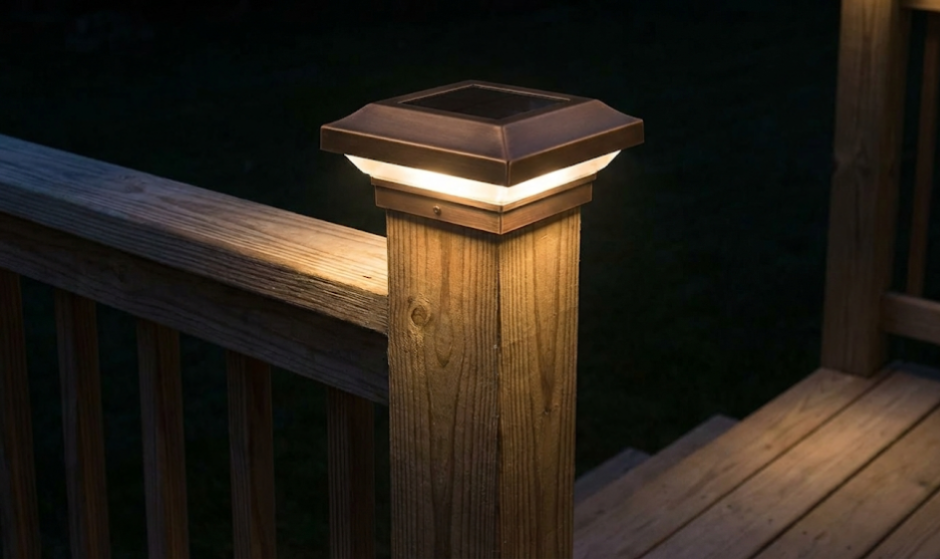
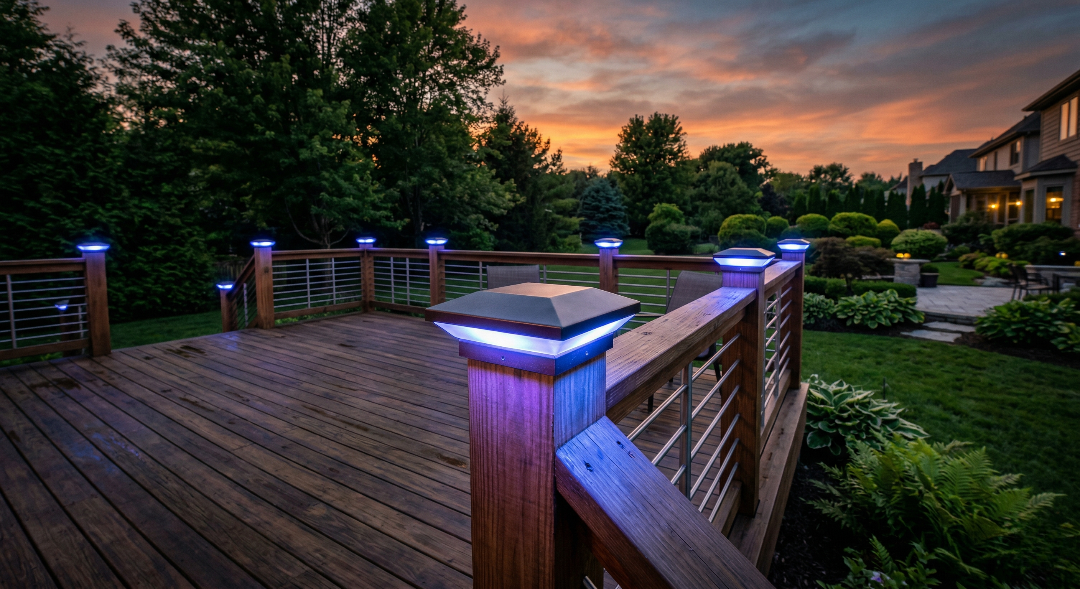
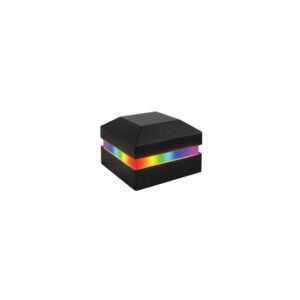
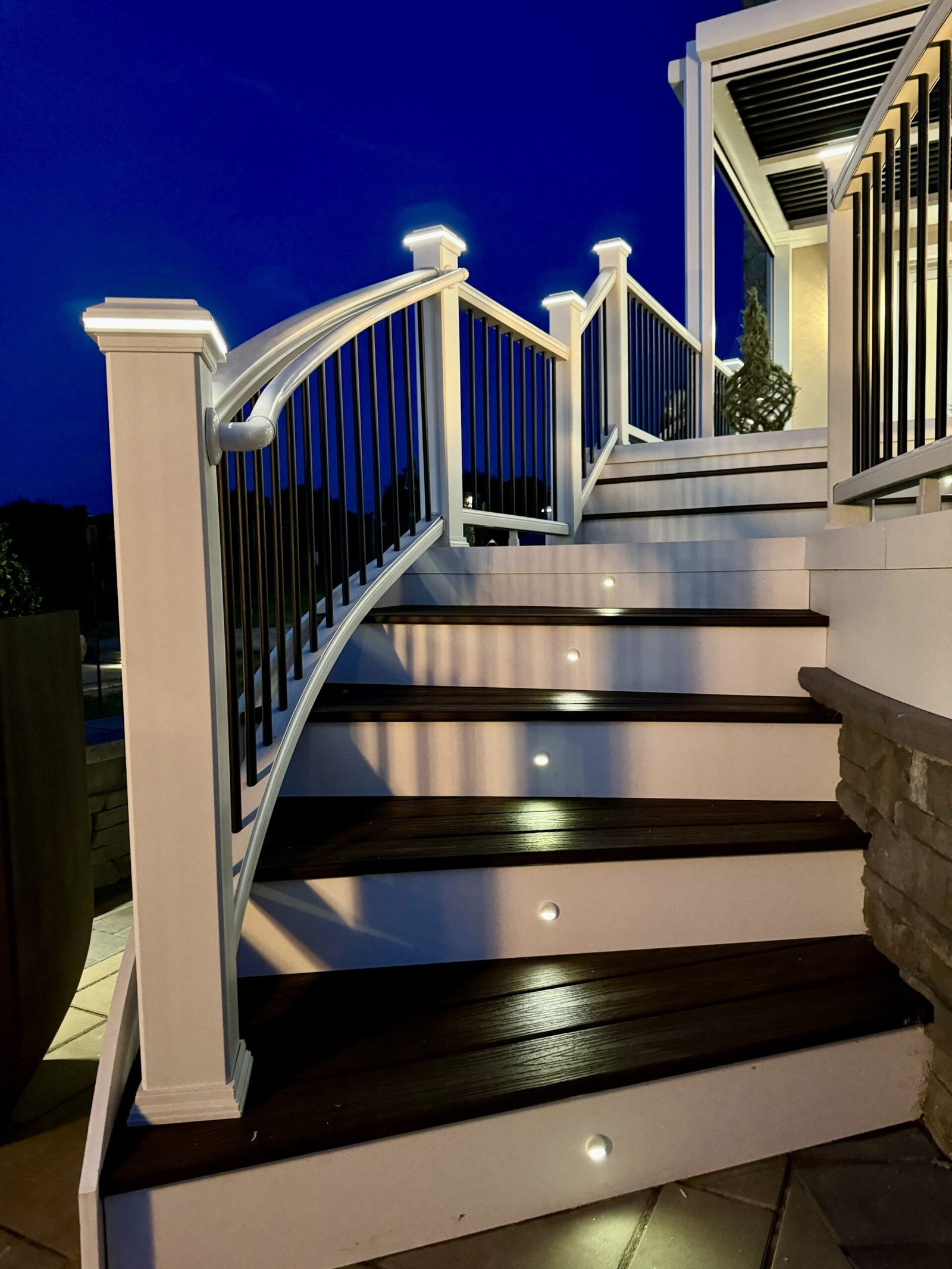
Solar-powered deck lights require no wiring at all. They charge during the day and illuminate at night automatically. They’re ideal for deck railing lights, post cap lights, and deck step lighting where you don’t want to run wire. Plus, you can learn more about the energy-saving benefits of outdoor LED lighting from the U.S. Department of Energy.
If your project falls into any of the following categories, a licensed electrician is typically not required:
Most deck lighting kits sold at major home improvement retailers operate on 12V. You plug the transformer into an existing outdoor GFCI outlet, run the low-voltage cable beneath or along your deck boards, and connect your fixtures. Common applications include:
Step-by-step: Installing a low-voltage deck lighting kit
No permit is typically required for this type of installation, but always confirm with your local building department.
Solar outdoor deck lighting needs no wiring at all — just mount and go. These are perfect for post cap lights on a new deck where no outlet is nearby, or for deck railing lights on a freestanding pergola. Still deciding between power sources? Compare solar vs. electric deck lights to see which is right for your project.
There are clear situations where hiring a licensed electrician for deck lights is not optional — it’s necessary for safety, code compliance, and to protect your homeowner’s insurance coverage.
If your deck doesn’t already have a GFCI-protected outdoor outlet, adding one means running wire from your breaker panel and installing a new circuit. This almost always requires a permit and a licensed electrician in the United States. The NEC, adopted in some form by all 50 states, has specific requirements for outdoor circuits, wire gauge, breaker sizing, and weatherproof outlet placement.
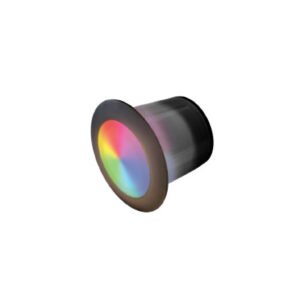
Some high-end recessed deck lighting systems — particularly those built into composite decking products — run on 120V. Installing these involves waterproof junction boxes, conduit where exposed, and GFCI protection. Even experienced DIYers typically hire an electrician for deck lights in this category. If you are considering this route, explore these sleek recessed deck lighting designs to visualize the final result.
If your deck has an overhead structure, roof, or pergola cover and you want recessed canned lights above — this is standard 120V electrical work and requires an electrician.
Even if the actual wire-pulling seems straightforward, if your jurisdiction requires a permit for the work (and many do for any outdoor electrical), the inspection process typically requires the work be performed by or supervised by a licensed electrician.
| Lighting Type | Voltage | Electrician Required? | Permit Typically Needed? | DIY Difficulty |
|---|---|---|---|---|
| Solar post cap lights | N/A | No | No | Easy |
| Low-voltage deck lighting kit | 12V | No | Rarely | Easy–Moderate |
| Plug-in LED deck step lights | 12V | No | No | Easy |
| New outdoor GFCI outlet | 120V | Yes (in most states) | Yes | Not DIY |
| Under-soffit recessed lighting | 120V | Yes | Yes | Not DIY |
| Hardwired recessed deck lights | 120V | Yes | Yes | Not DIY |
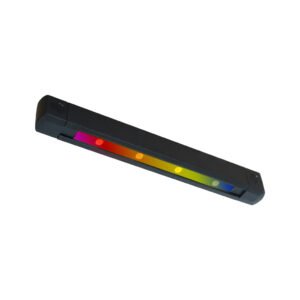
| Deck railing LED strips (plug-in) | 12V | No | Rarely | Easy |
Hiring an Electrician
Pros:
Cons:
DIY Installation
Pros:
Cons:
Do:
Don’t:
Consider a homeowner in suburban Ohio who wants to install deck step lighting, post cap lights, and string lights across her 400-square-foot treated wood deck. She already has one weatherproof GFCI outlet on the exterior wall behind the deck.
For the step lights and post cap lights, she selects a low-voltage 12V kit from a major home improvement retailer. Total fixture wattage: 48W. She purchases a 100W transformer with a built-in timer, runs the cable beneath the deck boards, and completes the project over a Saturday afternoon — no permit, no electrician needed.
However, she also wants two 120V recessed fixtures mounted in the soffit of her home’s overhang above the deck. For those, she contacts a licensed electrician. The electrician pulls a permit, runs a dedicated 15A outdoor circuit from the panel, installs weatherproof recessed fixtures, and the work passes inspection.
Total cost of the low-voltage DIY portion: approximately $280 in materials. Cost of the licensed electrician for deck lights portion (two fixtures, new circuit): approximately $650 including permit fees. She gets the best of both worlds — a beautiful, fully code-compliant deck lighting system.
Q: Can I install deck lights myself? Yes, if you’re working with solar-powered lights or a low-voltage (12V) deck lighting kit. Any project involving 120V wiring, a new circuit, or breaker panel work should be handled by a licensed electrician.
Q: Do I need a permit for outdoor deck lighting? It depends on your municipality and the type of work. Low-voltage and solar installations rarely require permits. Adding a new 120V outdoor circuit almost always does. Contact your local building department to confirm before starting.
Q: What kind of electrician do I need for outdoor lights? A licensed residential electrician is the right choice for most deck lighting projects. Confirm they have experience with outdoor electrical work and are familiar with GFCI requirements and local code.
Q: Are deck railing lights hard to install? Low-voltage or solar deck railing lights are among the easiest deck lighting options to install. Most clip directly to railings or posts with no tools required beyond a screwdriver.
Q: What is the best type of outdoor deck lighting for DIY? Low-voltage deck lighting kits and solar-powered fixtures are the most DIY-friendly options. They’re widely available, code-compliant without a permit in most areas, and designed for homeowner installation.
Q: Can I use regular light bulbs for deck post cap lights? Most modern deck post cap lights use integrated LEDs or accept standard LED bulbs rated for outdoor, wet or damp locations. Never use indoor-only rated bulbs in outdoor fixtures.
Q: How much does it cost to have an electrician install deck lights? Costs vary by region and project complexity. According to home services industry data, homeowners typically spend between $200 and $800 for an electrician to add an outdoor circuit and fixtures, with larger projects running higher.
Q: Is low-voltage deck lighting as bright as 120V? Modern low-voltage LED technology has largely closed the brightness gap. For most residential decks, 12V LED systems provide more than adequate illumination for safety and ambiance.
GFCI (Ground Fault Circuit Interrupter): A safety device built into outlets or circuit breakers that cuts power instantly when it detects an imbalance between hot and neutral wires — a signal that current may be flowing through a person. Required by code for all outdoor electrical receptacles in the United States.
Low-voltage lighting: An outdoor lighting system that operates at 12 volts DC, powered by a transformer that plugs into a standard 120V outlet. Much safer to install than line voltage systems and widely used for deck lighting kits, pathway lighting, and landscape lighting.
NEC (National Electrical Code): The set of standards for safe electrical installation in the United States, published by the National Fire Protection Association (NFPA) and adopted by most states and municipalities. It governs everything from wire gauge to outdoor outlet placement.
Wet-rated fixture: An electrical fixture tested and certified for direct exposure to water — rain, splashing, and outdoor moisture. Required for fixtures installed in open deck areas. “Damp-rated” fixtures are for covered areas only and should not be used in locations exposed to direct rain.
Deck lighting doesn’t have to be a complicated project — but it does require honest decision-making about what you’re actually getting into. If you’re mounting solar post cap lights or running a low-voltage deck lighting kit from an existing outdoor outlet, you can absolutely tackle this yourself on a weekend with basic tools and a kit from your local hardware store.
But if you need a new circuit, hardwired recessed fixtures, or any work that touches your breaker panel, hiring a licensed electrician for deck lights isn’t just smart — it’s usually required by law. The combination approach works well for most homeowners: DIY the low-voltage and solar elements to save money, and bring in a pro for anything involving 120V.
Ready to get started? Contact a licensed electrician in your area for a free quote on the portions of your project that require professional installation, and shop low-voltage deck lighting kits for everything else.
Homeowners ask the same thing before every deck project: are low voltage systems safe around kids, pets, bare feet, rain,

Most homeowners assume a lit deck means trenching, conduit, a transformer, and a licensed electrician. That assumption stops a lot