- FREE Shipping on all orders! Limited time!
- support@tru-scapes.com

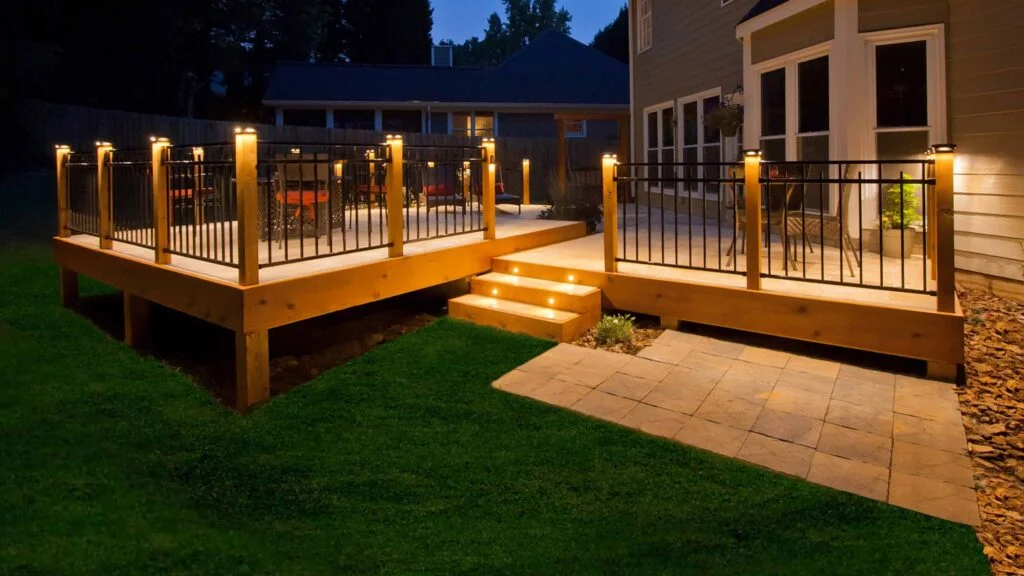
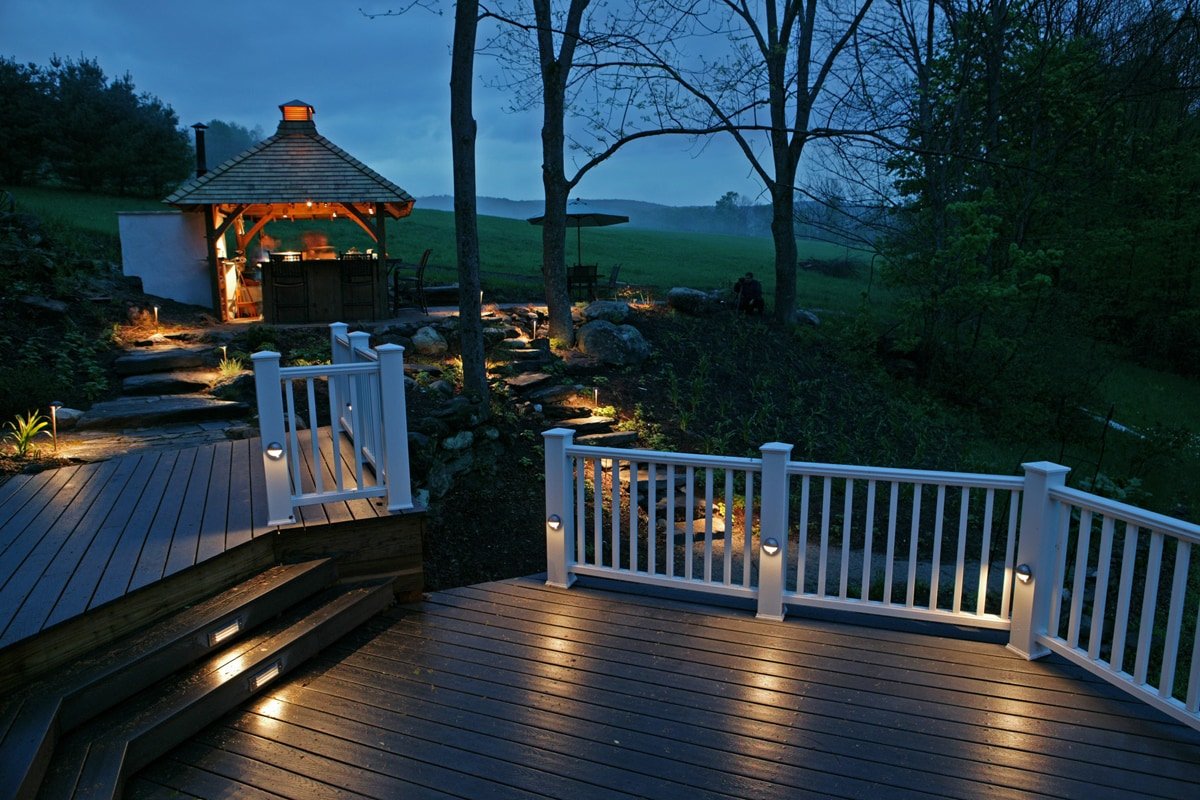
Your deck represents an investment in outdoor living space, but without proper illumination, it becomes unusable after sunset. Understanding the true cost of deck lighting helps you plan a system that enhances safety, extends usable hours, and increases property value without overspending. This guide breaks down every expense you’ll encounter when installing outdoor deck lighting in 2026, from budget-friendly DIY options to premium professionally installed systems. Whether you’re pricing deck post cap lights for a small balcony or planning comprehensive under deck lighting for an expansive outdoor area, you’ll find accurate cost ranges, practical comparison tools, and strategic advice to make informed decisions.
• Outdoor deck lighting cost averages $1,200–$2,000 for most residential installations in 2026
• Recessed deck lighting and under deck lighting systems cost more than basic post cap lights
• DIY deck lighting kits start around $200, while professional installation adds $500–$1,500
• LED deck lighting fixtures reduce long-term energy costs by up to 80% compared to halogen
• Waterproof deck lights rated IP65 or higher prevent moisture damage and extend fixture lifespan
• Solar-powered deck railing lights offer zero operating costs but require direct sunlight exposure
The total expense for illuminating your deck extends beyond the sticker price of fixtures. A complete budget includes equipment, installation labor, electrical work, and ongoing operational costs.
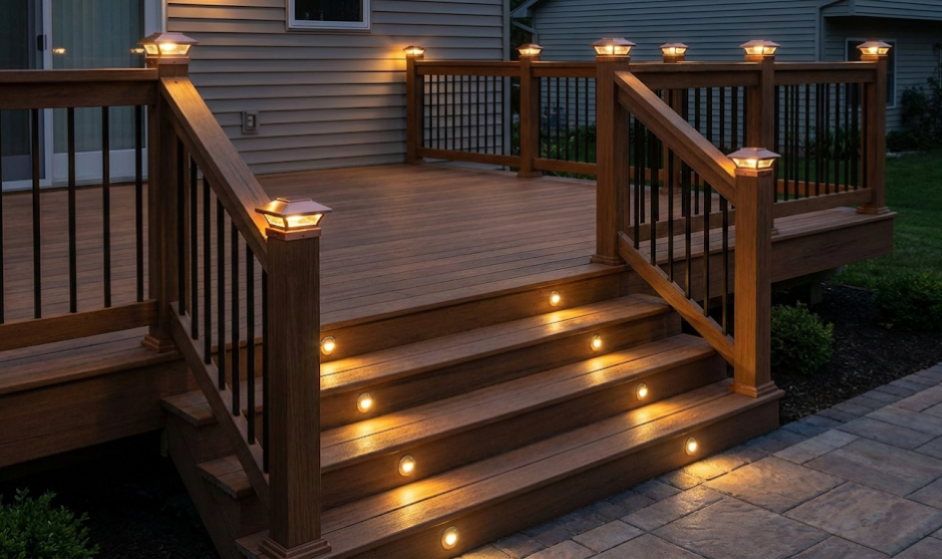
Deck lighting fixtures vary dramatically in price based on material quality, light output, and technology. Basic plastic deck step lighting starts around $8–$15 per fixture, while premium bronze or stainless steel deck railing lights range from $40–$120 each. Recessed deck lighting requires more expensive housings that protect electrical components from moisture, typically costing $25–$75 per unit.
Deck lighting kits offer bundled solutions that include multiple fixtures, transformers, and wiring. Entry-level kits suitable for small decks (10–15 fixtures) cost $150–$300, while comprehensive systems with 30+ lights and smart controls range from $600–$1,200.
LED technology dominates the market in 2026, offering 50,000+ hour lifespans compared to 2,000–5,000 hours for halogen alternatives. Although LED fixtures cost 20–40% more initially, the extended replacement intervals and reduced energy consumption justify the premium for most installations. In fact, the U.S. Department of Energy confirms that LED lighting is significantly more energy-efficient and durable, making it ideal for outdoor use.
Professional electricians charge $75–$150 per hour for deck lighting installation, with typical projects requiring 4–8 hours of labor. Complex installations involving multiple circuits, dimmer integration, or smart home connectivity extend timelines to 10–15 hours. If your deck lacks electrical access, adding a dedicated circuit from your main panel adds $500–$1,200 to the project.
Low-voltage systems (12V or 24V) reduce installation complexity and cost compared to line-voltage (120V) options. Most low-voltage installations require a transformer ($50–$300 depending on wattage capacity) but eliminate the need for electrical permits in many jurisdictions. Learn more about why low-voltage deck lighting is the smart choice for safety and performance.
DIY-friendly deck lighting kits reduce labor costs to zero but require basic electrical knowledge and 6–10 hours of your time. If you lack confidence working with electrical systems, improper installation creates fire hazards and voids manufacturer warranties. Always follow outdoor electrical safety guidelines from the U.S. Consumer Product Safety Commission.
Different lighting styles serve distinct functional and aesthetic purposes. Understanding how each option impacts your budget helps you allocate resources effectively.
| Lighting Type | Cost Per Fixture | Installation Difficulty | Best Use Case | Average Lifespan |
|---|---|---|---|---|
| Deck post cap lights | $15–$80 | Easy (DIY-friendly) | Perimeter definition | 10–15 years |
| Deck step lighting | $10–$50 | Moderate | Safety and navigation | 8–12 years |
| Deck railing lights | $20–$90 | Easy to moderate | Ambient illumination | 10–15 years |
| Recessed deck lighting | $25–$75 | Difficult (pro recommended) | Flush, unobtrusive look | 15–20 years |
| Under deck lighting | $30–$100 | Difficult (pro recommended) | Downward illumination | 12–18 years |
| Solar deck lights | $12–$60 | Very easy | Off-grid locations | 3–5 years |
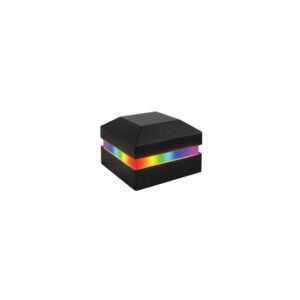
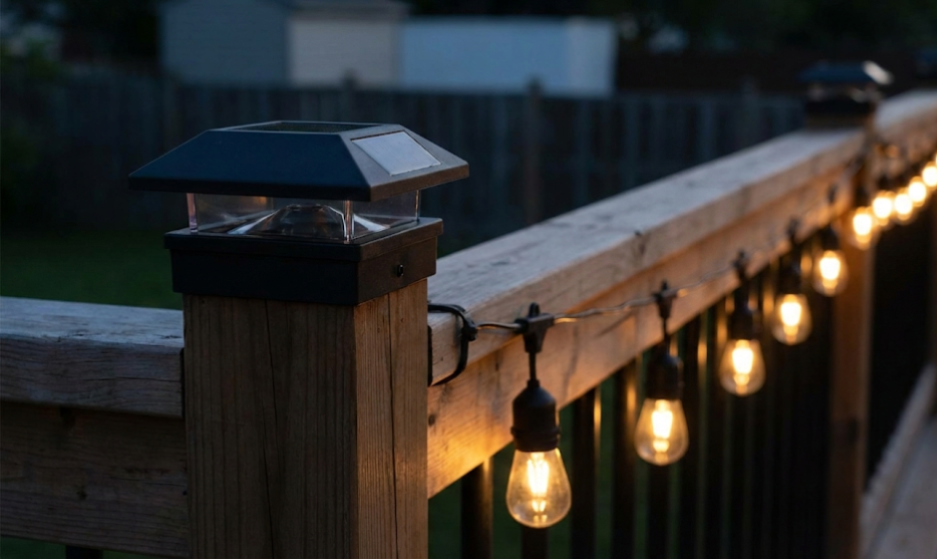
Post cap lights mount directly onto deck railing posts, providing elevated illumination that defines deck boundaries. Solar versions cost $15–$35 but produce limited lumens suitable only for accent lighting. Wired LED post caps ($40–$80) deliver consistent brightness and integrate with whole-house lighting controls. Explore the full benefits of post cap lighting for function and style.
Flush-mount recessed fixtures install between deck boards, creating an unobtrusive lighting solution that won’t interfere with furniture placement. The installation process requires drilling through decking material and securing weatherproof housings, making professional installation advisable. Expect to spend $35–$55 per installed recessed light for materials and labor combined. For design inspiration and modern applications, see our guide to recessed deck lighting.
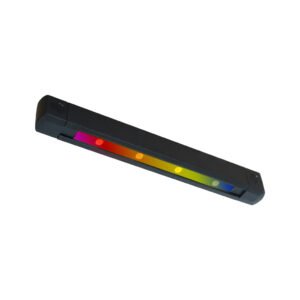
If you have living space beneath your deck, under deck lighting illuminates the area below while eliminating trip hazards on the deck surface. Strip lighting and linear LED systems cost $8–$15 per linear foot, while individual downlight fixtures range from $30–$80 each. Waterproof ratings of IP65 or higher are essential for exposed locations. Discover creative ideas for under deck lighting to transform this hidden zone into a functional retreat.
Follow this process to calculate your specific project budget:
Step 1: Measure Your Deck
Calculate total square footage and count posts, steps, and railing sections. A standard 12×16 foot deck has 192 square feet, 4–6 posts, and typically 3–5 steps.
Step 2: Determine Fixture Quantity
Industry recommendations suggest one light per 8–10 linear feet of railing, one light per step, and one post cap light per corner post. For our 12×16 example, you’d need approximately 8 railing lights, 4 step lights, and 4 post cap lights (16 total fixtures).
Step 3: Select Fixture Quality Tier
Budget tier: $8–$20 per fixture = $128–$320 total
Mid-range tier: $20–$50 per fixture = $320–$800 total
Premium tier: $50–$100 per fixture = $800–$1,600 total
Step 4: Add Electrical Components
Transformer/power supply: $75–$200
Wiring and connectors: $50–$150
Mounting hardware: $30–$80
Step 5: Calculate Installation
DIY: $0 labor (6–10 hours of your time)
Professional: $400–$1,200 (includes permits if required)
Step 6: Include Contingency
Add 10–15% for unexpected expenses like additional wiring, replacement decking boards damaged during installation, or upgraded fixtures.
For our example deck with mid-range fixtures and professional installation, the total cost would be $1,300–$2,400.
Enhanced Safety: Illuminated steps and deck edges reduce trip-and-fall accidents by up to 60%, according to safety research from home improvement organizations. For actionable tips, review our guide to deck lighting safety.
Extended Usability: Proper lighting transforms your deck into usable space during evening hours, effectively doubling the functional time you can enjoy outdoor living.
Increased Property Value: Real estate professionals indicate that quality outdoor lighting systems contribute to curb appeal and can provide a 50–75% return on investment during home sales.
Security Benefits: Well-lit outdoor spaces deter potential intruders and provide clear visibility of your property perimeter.
Aesthetic Appeal: Strategic lighting creates ambiance and highlights architectural features, making your deck an attractive focal point.
Upfront Investment: Quality systems require $1,000–$3,000+ in initial costs, which may strain renovation budgets.
Maintenance Requirements: Fixtures require periodic cleaning, bulb replacement (for non-LED systems), and electrical connection inspection every 2–3 years.
Energy Consumption: Line-voltage systems and older halogen lights increase monthly electricity bills by $5–$20 depending on usage patterns.
Installation Complexity: Integrating lighting after deck construction often requires drilling through finished surfaces, risking structural damage if done improperly.
Light Pollution Concerns: Poorly designed systems can create unwanted glare or disturb neighbors, potentially violating local ordinances in some municipalities.
Do prioritize step and edge lighting for safety before adding decorative accent lights. Stair lighting is critical—learn more in our guide to stair lights for decks.
Do invest in waterproof deck lights rated IP65 or higher to prevent moisture infiltration and premature failure. Our full guide to choosing weatherproof deck lights explains IP ratings and material choices in detail.
Do install dimmer controls to adjust light levels for different activities and moods.
Do use warm white (2700K–3000K) LED fixtures for inviting, natural-looking illumination. Understand the difference between warm vs. cool deck lighting to set the right mood.
Do create a lighting plan that considers traffic patterns, seating areas, and potential glare issues.
Don’t use indoor-rated fixtures outdoors, even in covered locations, as humidity will damage non-weatherproof components.
Don’t over-light your space with excessive brightness that creates harsh shadows and uncomfortable glare.
Don’t forget permit requirements for line-voltage installations, which vary by municipality.
Don’t mix fixture styles inconsistently unless you have a deliberate design reason for variation.
Don’t ignore wire gauge requirements when planning low-voltage runs longer than 50 feet, as voltage drop reduces light output.
Your specific circumstances should guide lighting decisions. If you have a small deck under 150 square feet with simple geometry, solar-powered deck post cap lights provide adequate illumination for $150–$300 without installation costs. This approach works best when your deck receives 6+ hours of direct sunlight daily. Compare your options in our guide to solar vs. electric deck lights.
If you frequently entertain guests or use your deck as primary outdoor living space, invest in a professionally designed low-voltage system with deck railing lights, step lighting, and optional under deck lighting. Budget $1,500–$2,800 for fixtures and installation that deliver consistent, high-quality illumination.
For coastal or high-humidity environments, prioritize marine-grade stainless steel or powder-coated aluminum fixtures with IP67 ratings. The 30–50% cost premium over standard waterproof deck lights prevents corrosion-related failures within 2–3 years. Again, our weatherproof lighting guide covers this in depth.
If your deck features multiple levels or complex architecture, recessed deck lighting creates a cohesive, sophisticated appearance without cluttering railings or posts. Expect to spend $2,200–$4,000 for materials and professional installation on a multi-level structure.
The Johnson family in suburban Ohio installed a complete lighting system on their 16×20 foot elevated deck in 2025. They chose:
• 12 low-voltage LED deck railing lights at $35 each: $420
• 6 recessed deck step lights at $45 each: $270
• 4 premium solar post cap lights at $60 each: $240
• 150W transformer and wiring kit: $180
• Professional installation (7 hours at $95/hour): $665
Their total investment of $1,775 included a dimmer control and smart home integration. The family reports their deck usage increased by approximately 40% during evening hours, and the lighting system required only one bulb replacement in the first year (one solar fixture). Their monthly electricity cost increased by roughly $3.
This example represents a typical mid-range installation that balances quality, functionality, and budget constraints. The Johnsons considered their investment worthwhile based on improved safety, extended usability, and positive feedback from guests. For more real-world insights, see our feature on a stunning deck lighting project.
Beyond initial fixture and installation expenses, factor these ongoing costs into your decision:
Electricity Consumption: LED systems typically add $15–$40 annually to energy bills, while older halogen systems can increase costs by $60–$120 per year.
Replacement Parts: Budget $50–$150 every 3–5 years for failed transformers, damaged fixtures, or worn wiring connections.
Cleaning and Maintenance: Waterproof deck lights accumulate dust, pollen, and insect debris that reduces light output by 20–30% if not cleaned quarterly.
Smart System Subscriptions: WiFi-enabled lighting with app control may require $3–$8 monthly subscription fees for full functionality.
Insurance Implications: Improperly installed electrical systems may void homeowner’s insurance coverage for fire damage. Professional installation with permits provides documentation that protects your coverage.
Deck lighting kits marketed for DIY installation promise easy setup and cost savings. These systems typically include pre-wired fixtures, plug-in transformers, and simplified connectors that eliminate the need for wire stripping or electrical experience.
Quality DIY kits from reputable manufacturers cost $250–$800 and include 8–20 fixtures suitable for small to medium decks. Installation requires 4–8 hours for someone with basic handyman skills. The primary limitation of kit systems is customization—you’re restricted to included fixture styles, spacing, and configuration options.
Professional installation costs $500–$1,500 more but provides custom design, proper electrical code compliance, warranty protection, and optimal fixture placement based on your deck’s unique characteristics. Electricians can also integrate lighting with existing home automation systems, add multiple zones with separate controls, and troubleshoot complex issues that frustrate DIY installers.
Choose DIY if your deck has straightforward geometry, you’re comfortable with basic electrical work, and you can accept the aesthetic limitations of pre-designed kits. Select professional installation for complex layouts, line-voltage systems, or when you want maximum customization and warranty protection.
How much does it cost to install lights on a deck?
Most homeowners spend $1,200–$2,000 for complete deck lighting installation, including fixtures, transformer, wiring, and labor. Small decks with DIY kits can cost as little as $300, while large custom installations exceed $3,500.
What is the cheapest way to light a deck?
Solar-powered deck post cap lights offer the lowest upfront cost at $100–$250 for a basic system with no installation or electricity expenses. However, solar lights provide limited illumination and shorter lifespans than wired alternatives. See our full comparison of solar vs. electric deck lights.
Are LED deck lights worth the extra cost?
Yes, LED fixtures typically cost 25–40% more than halogen alternatives but last 10–20 times longer and use 75–80% less electricity, providing significant savings over their lifespan. The U.S. Department of Energy confirms LEDs are the most efficient lighting choice for both indoor and outdoor use.
How many deck lights do I need?
Plan for one light per 8–10 linear feet of railing, one light per step, and one post cap light per corner post. A typical 12×16 foot deck requires 12–16 fixtures for adequate illumination.
Do deck lights increase home value?
Quality outdoor lighting systems enhance curb appeal and functionality, potentially providing a 50–75% return on investment according to real estate professionals, though actual value increase varies by market and installation quality.
What voltage is best for deck lighting?
Low-voltage systems (12V or 24V) are safer, easier to install, and more energy-efficient than line-voltage (120V) options. Most residential deck lighting uses low-voltage technology. Learn why low-voltage is the smart choice.
How long do deck lights last?
LED deck lighting fixtures typically last 15–25 years with normal use, while solar lights require replacement every 3–5 years. Traditional halogen bulbs need replacement every 1–2 years.
Do I need a permit to install deck lighting?
Permit requirements vary by municipality. Low-voltage systems often don’t require permits, while line-voltage installations typically need electrical permits and inspections. Check with your local building department.
Can I install deck lighting myself?
Yes, low-voltage deck lighting kits are designed for DIY installation and require only basic tools and electrical knowledge. Line-voltage systems should be installed by licensed electricians.
What are the best deck lights for wet climates?
Choose fixtures rated IP65 or higher for standard wet conditions, or IP67-rated lights for coastal environments with salt spray. Stainless steel and marine-grade aluminum resist corrosion better than plastic or standard aluminum. Our guide to choosing weatherproof deck lights details material and rating recommendations.
Low-Voltage Lighting: Electrical systems operating at 12 or 24 volts rather than standard household 120 volts, requiring a transformer to step down voltage. Low-voltage systems are safer, more energy-efficient, and easier to install than line-voltage alternatives. Discover the full benefits of low-voltage deck lighting.
IP Rating (Ingress Protection): A two-digit code indicating a fixture’s protection against solid objects and liquids. IP65 means complete dust protection and resistance to water jets, while IP67 adds temporary submersion protection up to 1 meter depth. Learn how to choose weatherproof deck lights based on IP ratings.
Transformer: An electrical device that converts standard 120-volt household current to low voltage (typically 12V or 24V) for deck lighting systems. Transformers are rated by wattage capacity and must match the total wattage of connected fixtures.
Lumens: The measurement of total visible light output from a source. Deck step lighting typically requires 30–50 lumens per fixture, while railing lights may range from 50–150 lumens depending on desired brightness and spacing.
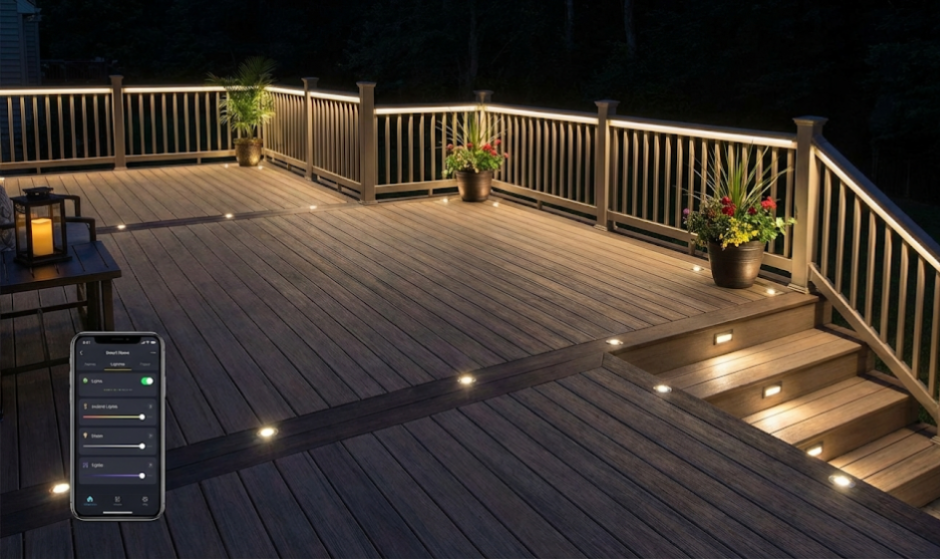
Installing outdoor deck lighting requires careful budget planning that accounts for fixture quality, installation method, and long-term operational costs. Most homeowners find that spending $1,200–$2,000 on a professionally installed low-voltage LED system provides the optimal balance of safety, aesthetics, and value. Whether you choose budget-friendly solar post cap lights or invest in comprehensive recessed deck lighting with smart controls, proper illumination transforms your deck into a safer, more functional space that extends outdoor living well past sunset.
Ready to illuminate your deck? Start by measuring your space, determining your lighting priorities, and requesting quotes from licensed electricians in your area. A well-planned lighting system delivers years of enhanced enjoyment and adds measurable value to your home.
Key Takeaways A deck that goes dark at sunset loses half its value. In Pennsylvania, that problem gets worse, because
Key Takeaways A deck that goes dark at 7 p.m. in October is a deck you only use half the